


 Anteprima in scala reale
 Invia
Invia Condividi
 Dettagli opera
 Guida
Guida

 Scarica
 Simili
 Radiografia
 Slideshow
 Statistiche
Ofrenda funeraria

 Espandi i dettagli
L'opera d'arte visualizzata in questa pagina è protetta dalle leggi sul diritto d'autore, il che significa che non possiamo legalmente creare o vendere una riproduzione identica. Tale protezione è garantita da accordi internazionali quali la Convenzione di Berna e dalle leggi nazionali, incluse quelle stabilite da Legge sul copyright degli Stati Uniti - Titolo 17. Tutti i diritti riservati. Le immagini presenti su questo sito sono protette da copyright e non possono essere riprodotte o utilizzate senza l'autorizzazione scritta di WahooArt.com o dei rispettivi proprietari del copyright.
Questo metodo è pienamente conforme alle normative sul diritto d'autore poiché non prevede la copia o la duplicazione dell'opera protetta. Si tratta invece di una rielaborazione creativa: un nuovo dipinto che trae ispirazione dall'originale, senza tuttavia esserne identico.
Giclée / Stampe d'arte
Stampa giclée o su tela di qualità museale, con produzione rapida e diverse opzioni di finitura. ( Acquista il dipinto realizzato a mano Passa all'immagine digitale)




P118B €10

P118H €10

P118W €10

P438Z €10

P508JH €12

P508YH €12

P805H €10

P805Z €10

P919BZ €10

P919G €10

P919XJ €10

P959ZH €10

P968JZ €12

W106C €8

W218G €10

W218JH €8

W218Y €10

W307PJ €10

W316G €10

W316PJ €8

W316Y €10

W398PJ €8

W4111J €10

W500HY €15

W500JH €15

W692G €12

W849H €8

W940BG €15

W953PJ €8




Scegli tra le nostre dimensioni predefinite, che rispettano le proporzioni originali dell'opera d'arte.

Inserisci la larghezza e l'altezza desiderate, per adattarle alla tua cornice o alla tua parete. Una stampa può essere solo ritagliata, mai resa più grande dell'immagine originale; pertanto, un formato con una forma differente comporterà la perdita di una parte dell'opera. Ti invieremo un mockup digitale da approvare prima di procedere con la stampa. L'immagine mostrata in questa pagina non rappresenta il ritaglio reale — solo il mockup lo mostra.
Consegna in tutto il mondo () in 2 settimane invece delle normali 4/5 settimane. (27 Ottobre)

Spedizione espressa gratuita in tutto il mondo

Tela in lino di alta qualità

Assicurazione completa sulla spedizione

Garanzia di rimborso dei dazi doganali

Garanzia di fedeltà cromatica assoluta

Politica di reso entro 100 giorni (solo per difetti di fabbricazione)

Garanzia di rimborso al 100%

Offerta per acquisti multipli
 L'opzione vetro è disponibile solo per dimensioni inferiori a 110 cm

Ofrenda funeraria
Giclée / Stampe d'arte
Dimensioni riproduzione
-


Prezzo finale calcolato
€ 56
A Mythical Emergence: Decoding Max Ernst’s ‘Ofrenda funeraria’
- Subject & Style: ‘Ofrenda funeraria’ (Funerary Offering) presents a powerfully rendered, monochrome engraving of a reptilian creature – unmistakably evoking dragons or ancient beasts from folklore. Ernst masterfully blends the fantastical with an almost scientific approach to depiction. The style leans towards historical illustration, reminiscent of early natural history plates attempting to document newly discovered species, yet this ‘species’ exists solely within the realm of imagination.
- This deliberate juxtaposition is a hallmark of Ernst's Surrealist practice – presenting the illogical and dreamlike with meticulous realism.
Technique & Artistic Process
- Engraving Mastery: The artwork’s impact is deeply rooted in its technique. Ernst employed engraving, a labor-intensive process involving the precise cutting of lines into a metal plate with a burin. These lines then hold the ink and transfer the image to paper. This method allows for incredible detail – evident in the textured scales and wrinkles of the creature – and a dramatic interplay of light and shadow achieved through hatching and cross-hatching.
- Surrealist Innovation: While technically demanding, Ernst wasn’t simply showcasing technical skill. He embraced techniques like frottage (rubbing textures onto paper) and collage to unlock the subconscious and generate unexpected imagery. Though ‘Ofrenda funeraria’ is a direct engraving, it embodies this spirit of exploring chance and automatism – allowing the image to emerge from an internal landscape.
Symbolism & Interpretation within Ernst's Oeuvre
- Power & Primal Forces: The creature itself is laden with symbolism. Its imposing size, open mouth, and dynamic pose suggest power, danger, and perhaps even a primal force of nature. Emerging from water further reinforces this connection to the subconscious – water often representing the depths of the human psyche in Surrealist art.
- Ernst’s work frequently grapples with themes of mythology, psychology, and the anxieties of the modern world. ‘Ofrenda funeraria’ can be seen as a visual manifestation of these concerns—a confrontation with our deepest fears and desires.
- Historical Context: Created during a period marked by political upheaval (the aftermath of WWI, the rise of totalitarianism), Ernst's work often reflects disillusionment and a questioning of established norms. The creature could be interpreted as a symbol of destructive forces unleashed upon society.
Emotional Resonance & Aesthetic Impact
- A Striking Presence: Despite its monochrome palette, ‘Ofrenda funeraria’ possesses an undeniable visual impact. The meticulous detail and dramatic composition draw the viewer in, creating a sense of awe and unease.
- The artwork's ability to evoke such strong emotions – fascination, fear, wonder – speaks to Ernst’s mastery as a Surrealist artist.
- Interior Design & Collectibility: This piece would serve as a compelling focal point in any collection. Its dramatic imagery and sophisticated technique lend themselves well to both modern and traditional interiors, adding a touch of intellectual depth and artistic intrigue. A high-quality reproduction captures the intricate detail and emotional power of the original engraving.
Domande e risposte
Cosa rappresenta "Ofrenda funeraria" di Max Ernst?
I temi presenti in "Ofrenda funeraria" di Max Ernst includono mythical creatures, dark fantasy art, monochrome imagery, surreal symbolism, engraved beast”, “ancient myth”, “predatory figure”, elementi che insieme sintetizzano il soggetto dell'opera.
Che livello di saturazione hanno i colori di "Ofrenda funeraria" di Max Ernst?
La tavolozza di "Ofrenda funeraria" presenta una saturazione Muted.
Dove posso acquistare un'immagine digitale di "Ofrenda funeraria" di Max Ernst?
Per ottenere una versione digitale di "Ofrenda funeraria" di Max Ernst, puoi ordinare download di un'immagine digitale ad alta risoluzione direttamente sulla pagina Immagine digitale ad alta risoluzione.
Opere simili


Biografia dell'artista
Max Ernst: Una Vita nel Surrealismo
Primi Anni di Vita ed Educazione
- Nato il: 1° aprile 1891, a Brühl, Germania.
- Il padre di Ernst, Philipp Ernst, era un insegnante dei sordi e pittore dilettante, favorendo fin dalla giovane età l'interesse di Max per l'arte.
- Ha studiato filosofia, storia dell’arte, letteratura, psicologia e psichiatria all’Università di Bonn dal 1909.
- Questo background accademico diversificato ha profondamente influenzato le sue successive esplorazioni artistiche.
Sviluppo Artistico e Influenze
- Un momento cruciale è stata l’esposizione Sonderbund a Colonia (1912), dove ha incontrato opere di Pablo Picasso, Vincent van Gogh, e Paul Gauguin.
- Nel 1914 ha conosciuto Hans Arp, iniziando un’amicizia che dura tutta la vita e che ha segnato significativamente il suo percorso artistico.
- La Prima Guerra Mondiale ha avuto un profondo impatto su Ernst; le sue esperienze come soldato hanno portato a disillusione e una visione critica della società.
- È stato influenzato dalle opere di Sigmund Freud, esplorando temi della mente inconscia nella sua arte.
Dada & Surrealismo
- Ernst è diventato una figura chiave del gruppo Dada di Colonia dopo la Prima Guerra Mondiale, rifiutando le convenzioni artistiche tradizionali.
- Ha pionierizzato tecniche innovative come frottage (sfregamento di matite su superfici testurizzate) e grattage (raschiatura della pittura per rivelare gli strati sottostanti).
- Negli anni ’20 è entrato nel movimento Surrealista a Parigi, collaborando con artisti come Paul Éluard.
- Il suo lavoro di questo periodo ha esplorato immagini oniriche e temi psicologici.
Opere Principali e Tecniche
- Frottage: Una tecnica utilizzata per creare texture e immagini inaspettate, esemplificata in molte delle sue opere.
- Collage: Ernst ha spesso impiegato il collage, combinando elementi disparati per creare composizioni surrealiste.
- Opere Notevoli:
- La Città Intera
- Euclides
- Di Questo Nessuno Dovrà Sapere
- Foresta e Colomba
- I suoi dipinti spesso presentano immagini simboliche, tra cui uccelli (in particolare il suo alter ego Loplop), paesaggi e giustapposizioni inquietanti.
Vita Successiva & Eredità
- Ernst si è trasferito negli Stati Uniti durante la Seconda Guerra Mondiale, continuando a dipingere ed sperimentare nuove tecniche.
- È tornato in Francia dopo la guerra e è rimasto attivo fino alla sua morte il 1° aprile 1976, a Parigi.
- Significato Storico: I contributi di Max Ernst a Dada e Surrealismo sono stati rivoluzionari. Ha sfidato le norme artistiche, ha esplorato la mente inconscia e ha inventato tecniche innovative che continuano a ispirare gli artisti oggi.
- Resta uno dei personaggi più importanti e influenti del 20° secolo d’arte.
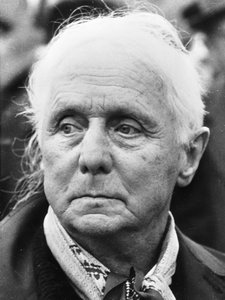
Max Ernst
1891 - 1976 , Germania
Dettagli rapidi
- Artisti Che Hanno Influenzato Questo Artista:
- Pablo Picasso
- Vincent van Gogh
- Paul Gauguin
- Sigmund Freud
- Data Di Morte: 1 aprile 1976
- Data Di Nascita: 1 aprile 1891
- Luogo Di Nascita: Brühl, Germania
- Movimento Artistico: Dada e Surrealismo
- Nazionalità: Tedesca
- Nome Completo: Max Ernst
- Opere Notevoli:
- La Città Intera
- Euclides
- Foresta e Colomba
- L'Elefante di Celebes
Articoli correlati

The Intricate World of Engraving: A Historical Survey of Technique, Artistic Expression & Enduring Legacy
Explore the rich history of engraving with AllPaintingsStore. Discover techniques, iconic artists like Dürer & Callot, collecting tips, and expert guidance for preserving your art investment. Learn about intaglio printing & more!

Engraving: A Historical Survey of Technique, Artistic Expression & Enduring Legacy
Explore the rich history of engraving with AllPaintingsStore. Discover techniques, iconic artists like Dürer & Callot, collecting tips, and expert guidance for preserving your art investment. Learn about intaglio printing & more!
Max Ernst: I 25 Capolavori che Rivoluzionarono l'Arte Moderna | AllPaintingsStore
Esplora i 25 capolavori di Max Ernst, pioniere del Surrealismo. Scopri la storia, le tecniche e il simbolismo dietro ogni opera iconica. Trova riproduzioni arte su tela di alta qualità per decorare casa con AllPaintingsStore.com.

I 10 Capolavori Surrealisti che Hanno Definito un Movimento Artistico | AllPaintingsStore
Esplora i 10 capolavori del Surrealismo con AllPaintingsStore.com! Scopri le storie di Dalí, Magritte e altri maestri, il simbolismo nascosto e l'impatto di questo movimento artistico rivoluzionario. Quadri surrealisti per la tua casa: acquista stampe d'arte di alta qualità online. Scopri tutte le opere su W

I 10 Capolavori dell'Incisione che Hanno Rivoluzionato l'Arte | AllPaintingsStore
Esplora i 10 capolavori dell'incisione che hanno segnato la storia dell'arte! Dürer, Rembrandt, Goya e altri maestri. Scopri tecniche uniche e storie affascinanti. Stampe d'arte di alta qualità per decorare casa con stile su AllPaintingsStore.com


