Anteprima in scala reale
 Condividi
 Condividi
 Dettagli

 Scarica immagine
 Articoli simili
 Radiografia
 Slideshow
untitled (2260)


 Leggi tutto
Riproduzione a olio fatta a mano
Olio su tela dipinto a mano nelle tue dimensioni e con la tua cornice, realizzato su ordinazione dai nostri artisti. ( Ordina stampa Acquista download)




P118B $10

P118H $10

P118W $10

P438Z $10

P508JH $12

P508YH $12

P805H $10

P805Z $10

P919BZ $10

P919G $10

P919XJ $10

P959ZH $10

P968JZ $12

W106C $8

W218G $10

W218JH $8

W218Y $10

W307PJ $10

W316G $10

W316PJ $8

W316Y $10

W398PJ $8

W4111J $10

W500HY $15

W500JH $15

W692G $12

W849H $8

W940BG $15

W953PJ $8




Scegli tra le nostre dimensioni predefinite, che rispettano le proporzioni originali dell'opera d'arte.

È possibile inserire dimensioni personalizzate per adattare l'opera a una cornice o a uno spazio specifico. Se la dimensione selezionata non corrisponde alle proporzioni dell'immagine originale, provvederemo a ritagliare l'opera o a estendere il dipinto con elementi aggiuntivi dipinti a mano. Un mockup digitale ti sarà inviato per approvazione prima dell'inizio della produzione.
Si prega di notare che l'anteprima a schermo non riflette il ritaglio o l'estensione effettivi. Solo il mockup mostrerà accuratamente la composizione finale.
Sebbene siano disponibili dimensioni personalizzate, consigliamo di selezionare una dimensione dall'elenco predefinito per preservare le proporzioni originali.
Dopo l'ordine, il team di AllPaintingsStore.com contatterà il cliente via e-mail per le istruzioni e fornirà un'anteprima del mockup
Consegna in tutto il mondo () in 3/4 settimane anziché nelle normali 5 settimane. (13 Agosto). Nessun compromesso sulla qualità.

Spedizione espressa gratuita in tutto il mondo

Tela in lino di alta qualità

Assicurazione completa sulla spedizione

Garanzia di rimborso dei dazi doganali

Garanzia di fedeltà cromatica dell'originale

Politica di reso entro 60 giorni (solo per difetti di fabbricazione)

Garanzia di rimborso al 100%

Sconto per acquisti multipli
 L'opzione vetro è disponibile solo per dimensioni inferiori a 110 cm

untitled (2260)
Tecnica di riproduzione
Dimensioni della riproduzione
-


Prezzo totale
$ 258
Descrizione dell'opera
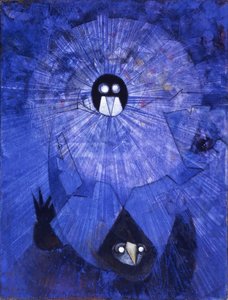
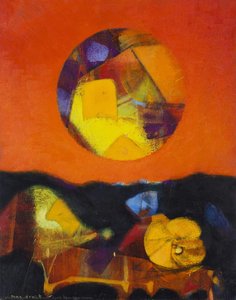
A Vision of Disquieting Harmony: Exploring Max Ernst’s “Untitled (2260)”
Max Ernst's "Untitled (2260)" stands as a testament to the Surrealist impulse—a deliberate confrontation with the subconscious mind and a rejection of rational order. Created sometime around 1937, this enigmatic landscape painting embodies Ernst’s signature blend of meticulous technique and dreamlike imagery, inviting viewers into a realm where familiar forms twist into unsettling juxtapositions. The artwork's enduring fascination stems from its ability to evoke profound emotional responses while simultaneously stimulating intellectual contemplation about the anxieties of the era.The Genesis of Surrealism: Ernst’s Philosophical Roots
Ernst’s artistic journey began not with formal instruction but with a fervent engagement with philosophical currents—particularly Nietzsche and Freud—that questioned established beliefs about morality and consciousness. Influenced by Nietzsche's concept of the Übermensch, striving for self-overcoming and rejecting societal constraints, Ernst sought to liberate art from conventional representations of reality. Simultaneously, Freud’s psychoanalytic theories provided a framework for exploring the hidden depths of the human psyche—a preoccupation that would permeate his artistic output. This intellectual grounding fueled his desire to tap into the realm of dreams and irrational impulses, mirroring the core tenets of Surrealism.Technique and Texture: Ernst's Innovative Approaches
Ernst’s distinctive style is characterized by a masterful manipulation of texture and surface—a cornerstone of his groundbreaking techniques like frottage and grattage. Frottage involves rubbing pencil or charcoal over textured surfaces (such as wood grain or fabric) to transfer their impressions onto canvas, generating unexpected patterns and suggestive imagery. Ernst famously employed this method extensively, layering textures to create a palpable sense of atmosphere and hinting at hidden narratives beneath the surface. Grattage takes this process further by scraping paint across the canvas with knives or spatulas, revealing underlying layers and creating striking visual effects—a technique that powerfully communicates the artist’s preoccupation with primal forces and subconscious anxieties.Symbolism Within Landscape: Birds, Time, and Psychological Tension
The landscape depicted in “Untitled (2260)” is rife with symbolic significance. Dominating the composition is a colossal clock tower, representing not merely time but also the oppressive weight of societal expectations and the relentless march toward inevitable decay—themes central to Ernst’s artistic concerns. Scattered throughout the scene are trees and mountains, offering respite from the towering structure yet simultaneously embodying resilience and permanence. However, it's the presence of birds that arguably holds the key to unlocking the painting’s emotional core. Birds frequently appear in Ernst’s oeuvre as emblems of freedom, aspiration, and spiritual transcendence—yet here they seem trapped within the confines of the landscape, mirroring the artist’s own struggle for liberation from psychological constraints.Emotional Resonance: Capturing the Anxiety of an Era
Ultimately, “Untitled (2260)” succeeds in conveying a palpable sense of unease and disorientation—a reflection of the anxieties prevalent during Ernst's time. The unsettling juxtaposition of natural beauty and artificial dominance underscores the artist’s critique of Western civilization’s obsession with reason and control. The painting compels viewers to confront uncomfortable truths about human existence, prompting introspection and fostering a deeper appreciation for the power of imagination as a means of resisting oppressive forces. Its enduring appeal lies in its ability to resonate with audiences who recognize the universal yearning for authenticity and liberation—a legacy cemented by Ernst’s pioneering role in shaping the artistic landscape of the 20th century.


Biografia dell'artista
Max Ernst: Una Vita nel Surrealismo
Primi Anni di Vita ed Educazione
- Nato il: 1° aprile 1891, a Brühl, Germania.
- Il padre di Ernst, Philipp Ernst, era un insegnante dei sordi e pittore dilettante, favorendo fin dalla giovane età l'interesse di Max per l'arte.
- Ha studiato filosofia, storia dell’arte, letteratura, psicologia e psichiatria all’Università di Bonn dal 1909.
- Questo background accademico diversificato ha profondamente influenzato le sue successive esplorazioni artistiche.
Sviluppo Artistico e Influenze
- Un momento cruciale è stata l’esposizione Sonderbund a Colonia (1912), dove ha incontrato opere di Pablo Picasso, Vincent van Gogh, e Paul Gauguin.
- Nel 1914 ha conosciuto Hans Arp, iniziando un’amicizia che dura tutta la vita e che ha segnato significativamente il suo percorso artistico.
- La Prima Guerra Mondiale ha avuto un profondo impatto su Ernst; le sue esperienze come soldato hanno portato a disillusione e una visione critica della società.
- È stato influenzato dalle opere di Sigmund Freud, esplorando temi della mente inconscia nella sua arte.
Dada & Surrealismo
- Ernst è diventato una figura chiave del gruppo Dada di Colonia dopo la Prima Guerra Mondiale, rifiutando le convenzioni artistiche tradizionali.
- Ha pionierizzato tecniche innovative come frottage (sfregamento di matite su superfici testurizzate) e grattage (raschiatura della pittura per rivelare gli strati sottostanti).
- Negli anni ’20 è entrato nel movimento Surrealista a Parigi, collaborando con artisti come Paul Éluard.
- Il suo lavoro di questo periodo ha esplorato immagini oniriche e temi psicologici.
Opere Principali e Tecniche
- Frottage: Una tecnica utilizzata per creare texture e immagini inaspettate, esemplificata in molte delle sue opere.
- Collage: Ernst ha spesso impiegato il collage, combinando elementi disparati per creare composizioni surrealiste.
- Opere Notevoli:
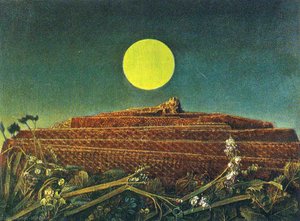
- La Città Intera
- Euclides
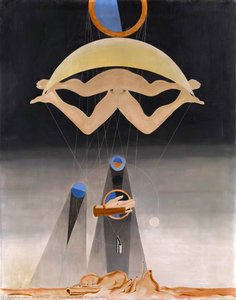
- Di Questo Nessuno Dovrà Sapere
- Foresta e Colomba
- I suoi dipinti spesso presentano immagini simboliche, tra cui uccelli (in particolare il suo alter ego Loplop), paesaggi e giustapposizioni inquietanti.
Vita Successiva & Eredità
- Ernst si è trasferito negli Stati Uniti durante la Seconda Guerra Mondiale, continuando a dipingere ed sperimentare nuove tecniche.
- È tornato in Francia dopo la guerra e è rimasto attivo fino alla sua morte il 1° aprile 1976, a Parigi.
- Significato Storico: I contributi di Max Ernst a Dada e Surrealismo sono stati rivoluzionari. Ha sfidato le norme artistiche, ha esplorato la mente inconscia e ha inventato tecniche innovative che continuano a ispirare gli artisti oggi.
- Resta uno dei personaggi più importanti e influenti del 20° secolo d’arte.

Max Ernst
1891 - 1976 , Germania
Informazioni rapide
- Artisti Che Hanno Influenzato Questo Artista:
- Pablo Picasso
- Vincent van Gogh
- Paul Gauguin
- Sigmund Freud
- Data Di Morte: 1 aprile 1976
- Data Di Nascita: 1 aprile 1891
- Luogo Di Nascita: Brühl, Germania
- Movimento Artistico: Dada e Surrealismo
- Nazionalità: Tedesca
- Nome Completo: Max Ernst
- Opere Notevoli:
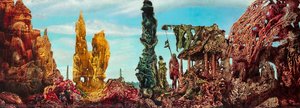
- La Città Intera
- Euclides
- Foresta e Colomba
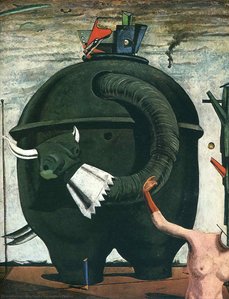
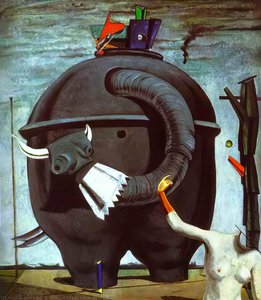
- L'Elefante di Celebes
Articoli correlati

Concrete Visions: Exploring the Urban Landscape in Painting – From Realism to Contemporary Art
Explore the evolution of cityscape painting from Realism to contemporary art with AllPaintingsStore. Discover key artists & invest in timeless urban visions. Expert guidance, museum-quality reproductions.
Max Ernst: I 25 Capolavori che Rivoluzionarono l'Arte Moderna | AllPaintingsStore
Esplora i 25 capolavori di Max Ernst, pioniere del Surrealismo. Scopri la storia, le tecniche e il simbolismo dietro ogni opera iconica. Trova riproduzioni arte su tela di alta qualità per decorare casa con AllPaintingsStore.com.

Beyond Reality's Grasp: Exploring the Evolution of Surrealist Painting
Explore the captivating world of Surrealism with AllPaintingsStore. Discover its origins, key artists like Dalí & Ernst, and enduring influence on art history. High-quality reproductions available.

Beyond Reality's Grasp: Exploring the Philosophical Foundations of Surrealism
Explore the philosophical roots & artistic innovations of Surrealism with AllPaintingsStore. Discover Dalí, Ernst, Delvaux & Freud's influence on this revolutionary movement. High-quality art reproductions available.

James Sant: Capturing Victorian Childhood & the Evolving Landscape of British Genre Painting
Explore the life & art of James Sant (1820-1916), renowned Victorian portraitist to Queen Victoria. Discover his captivating depictions of childhood, landscapes, and aristocratic society. Learn about his legacy & find fine art reproductions.