


 Anteprima in scala reale
 Condividi
 Condividi
 Dettagli

 Scarica immagine
 Articoli simili
 Radiografia
 Slideshow
untitled (3016)


 Leggi tutto
Giclée / Stampe d'arte
Stampa giclée o su tela di qualità museale, con produzione rapida e diverse opzioni di finitura. ( Ordina la riproduzione dipinta a mano Acquista download)




P118B $10

P118H $10

P118W $10

P438Z $10

P508JH $12

P508YH $12

P805H $10

P805Z $10

P919BZ $10

P919G $10

P919XJ $10

P959ZH $10

P968JZ $12

W106C $8

W218G $10

W218JH $8

W218Y $10

W307PJ $10

W316G $10

W316PJ $8

W316Y $10

W398PJ $8

W4111J $10

W500HY $15

W500JH $15

W692G $12

W849H $8

W940BG $15

W953PJ $8




Scegli tra le nostre dimensioni predefinite, che rispettano le proporzioni originali dell'opera d'arte.

È possibile inserire dimensioni personalizzate per adattare l'opera a una cornice o a uno spazio specifico. Se la dimensione selezionata non corrisponde alle proporzioni dell'immagine originale, procederemo al ritaglio dell'opera o all'estensione dell'immagine con un bordo specchiato o a tinta unita. Un mockup digitale ti verrà inviato per approvazione prima dell'inizio della produzione.
Si prega di notare che l'anteprima a schermo non riflette il ritaglio o l'estensione effettivi. Solo il mockup mostrerà accuratamente la composizione finale.
Sebbene siano disponibili dimensioni personalizzate, si raccomanda di selezionare una dimensione dall'elenco predefinito per preservare le proporzioni originali.
Consegna in tutto il mondo () in 2 settimane invece delle normali 4/5 settimane. (21 Agosto)

Spedizione espressa gratuita in tutto il mondo

Tela in lino di alta qualità

Assicurazione completa sulla spedizione

Garanzia di rimborso dei dazi doganali

Garanzia di fedeltà cromatica dell'originale

Politica di reso entro 60 giorni (solo per difetti di fabbricazione)

Garanzia di rimborso al 100%

Sconto per acquisti multipli
 L'opzione vetro è disponibile solo per dimensioni inferiori a 110 cm

untitled (3016)
Giclée / Stampe d'arte
Dimensioni della riproduzione
-


Prezzo totale
$ 64
Descrizione del pezzo
A Journey Through the Surreal Landscape
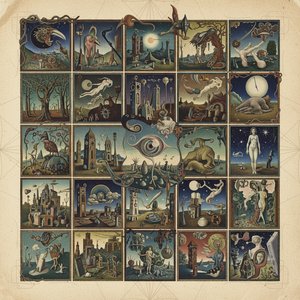
In the enigmatic realm of Max Ernst’s Untitled (3016), the boundaries between reality and dream dissolve into a breathtaking geological tableau. This painting presents a desolate yet captivating landscape dominated by towering rocks, rendered with an unsettling precision that commands the viewer's attention. At first glance, one is struck by the sheer scale of these stone monoliths, which rise from the earth like ancient, silent sentinels. Amidst this stony expanse, a solitary figure is positioned thoughtfully, providing a vital human element to an otherwise otherworldly scene. This presence invites us to step into the frame, acting as our surrogate as we contemplate the strange, textured formations that define this alien terrain.
The technique employed by Ernst is a masterclass in the Surrealist tradition, blending organic forms with geometric complexities to create an unsettling harmony. Utilizing a mixed media approach—likely weaving oil paint with delicate collage elements—the artist achieves a profound textural richness. Every crevice of the rock faces and every shadow within the landscape feels tactile, as if one could reach out and touch the cold, weathered surface of the stone. This skillful manipulation of medium allows Ernst to defy conventional representation, pulling the viewer away from the familiar and into a realm where logic yields to the boundless power of the imagination.
Historical Echoes and Symbolic Depths
To understand the profound weight of this work, one must look back to the interwar period, specifically the years between 1925 and 1930. Created during Ernst’s formative era within the Dada and Surrealist movements, Untitled (3016) reflects the deep-seated anxieties of a world recovering from global conflict. The rejection of rationality and bourgeois values that fueled the Dada movement is palpable here; Ernst uses the canvas to explore subconscious impulses and psychological depths. The painting serves as a window into the artist's fascination with mythology and the primal forces that shape our existence, mirroring the era's broader philosophical shifts toward psychoanalysis and the exploration of the hidden self.
Symbolically, the landscape is heavy with meaning. The rocks themselves serve as potent emblems of permanence, solidity, and the inexorable march of geological time. Their bizarre, almost impossible formations evoke imagery from ancient folklore, suggesting a world shaped by forgotten myths. In contrast, the solitary figure embodies the human condition—a state of perpetual observation and quiet contemplation amidst the vast, indifferent mysteries of the universe. For collectors and interior designers, this piece offers more than mere decoration; it provides a profound focal point for introspection, making it an ideal addition to spaces designed for thought, creativity, and quiet wonder.
An Atmosphere of Wonder and Unease
The emotional impact of Untitled (3016) is a complex tapestry of unease and awe. Ernst utilizes a muted palette, primarily composed of earthy browns and somber greys, to cultivate an atmosphere of bleakness and stillness. Yet, it is precisely this lack of vibrant color that allows the striking, strange shapes of the rock formations to command such intense curiosity. The painting does not offer easy answers; instead, it fosters a sense of mystery that lingers long after one has turned away from the canvas.
For those seeking to elevate their art collection with a high-quality reproduction, this work offers an unparalleled opportunity to bring a piece of art history into the modern home. Whether placed in a minimalist gallery setting or a richly textured study, the painting’s ability to stimulate conversation and provoke deep thought makes it a timeless investment. It is a masterpiece that transcends visual depiction, inviting every viewer into a realm where the impossible becomes visible.
Opere correlate


Biografia dell'artista
Max Ernst: Una Vita nel Surrealismo
Primi Anni di Vita ed Educazione
- Nato il: 1° aprile 1891, a Brühl, Germania.
- Il padre di Ernst, Philipp Ernst, era un insegnante dei sordi e pittore dilettante, favorendo fin dalla giovane età l'interesse di Max per l'arte.
- Ha studiato filosofia, storia dell’arte, letteratura, psicologia e psichiatria all’Università di Bonn dal 1909.
- Questo background accademico diversificato ha profondamente influenzato le sue successive esplorazioni artistiche.
Sviluppo Artistico e Influenze
- Un momento cruciale è stata l’esposizione Sonderbund a Colonia (1912), dove ha incontrato opere di Pablo Picasso, Vincent van Gogh, e Paul Gauguin.
- Nel 1914 ha conosciuto Hans Arp, iniziando un’amicizia che dura tutta la vita e che ha segnato significativamente il suo percorso artistico.
- La Prima Guerra Mondiale ha avuto un profondo impatto su Ernst; le sue esperienze come soldato hanno portato a disillusione e una visione critica della società.
- È stato influenzato dalle opere di Sigmund Freud, esplorando temi della mente inconscia nella sua arte.
Dada & Surrealismo
- Ernst è diventato una figura chiave del gruppo Dada di Colonia dopo la Prima Guerra Mondiale, rifiutando le convenzioni artistiche tradizionali.
- Ha pionierizzato tecniche innovative come frottage (sfregamento di matite su superfici testurizzate) e grattage (raschiatura della pittura per rivelare gli strati sottostanti).
- Negli anni ’20 è entrato nel movimento Surrealista a Parigi, collaborando con artisti come Paul Éluard.
- Il suo lavoro di questo periodo ha esplorato immagini oniriche e temi psicologici.
Opere Principali e Tecniche
- Frottage: Una tecnica utilizzata per creare texture e immagini inaspettate, esemplificata in molte delle sue opere.
- Collage: Ernst ha spesso impiegato il collage, combinando elementi disparati per creare composizioni surrealiste.
- Opere Notevoli:
- La Città Intera
- Euclides
- Di Questo Nessuno Dovrà Sapere
- Foresta e Colomba
- I suoi dipinti spesso presentano immagini simboliche, tra cui uccelli (in particolare il suo alter ego Loplop), paesaggi e giustapposizioni inquietanti.
Vita Successiva & Eredità
- Ernst si è trasferito negli Stati Uniti durante la Seconda Guerra Mondiale, continuando a dipingere ed sperimentare nuove tecniche.
- È tornato in Francia dopo la guerra e è rimasto attivo fino alla sua morte il 1° aprile 1976, a Parigi.
- Significato Storico: I contributi di Max Ernst a Dada e Surrealismo sono stati rivoluzionari. Ha sfidato le norme artistiche, ha esplorato la mente inconscia e ha inventato tecniche innovative che continuano a ispirare gli artisti oggi.
- Resta uno dei personaggi più importanti e influenti del 20° secolo d’arte.

Max Ernst
1891 - 1976 , Germania
Informazioni rapide
- Artisti Che Hanno Influenzato Questo Artista:
- Pablo Picasso
- Vincent van Gogh
- Paul Gauguin
- Sigmund Freud
- Data Di Morte: 1 aprile 1976
- Data Di Nascita: 1 aprile 1891
- Luogo Di Nascita: Brühl, Germania
- Movimento Artistico: Dada e Surrealismo
- Nazionalità: Tedesca
- Nome Completo: Max Ernst
- Opere Notevoli:
- La Città Intera
- Euclides
- Foresta e Colomba
- L'Elefante di Celebes
Articoli correlati
Max Ernst: I 25 Capolavori che Rivoluzionarono l'Arte Moderna | AllPaintingsStore
Esplora i 25 capolavori di Max Ernst, pioniere del Surrealismo. Scopri la storia, le tecniche e il simbolismo dietro ogni opera iconica. Trova riproduzioni arte su tela di alta qualità per decorare casa con AllPaintingsStore.com.

I 10 Capolavori del Paesaggio Romantico: Arte, Storia e Decorazioni di Lusso
Esplora i 10 capolavori del Paesaggio Romantico con AllPaintingsStore.com! Caspar David Friedrich, Turner e altri maestri: storia, tecnica e colori che definiscono un'epoca. Trova riproduzioni d'arte di lusso per la tua casa. Scopri la collezione completa online!

Evocations of Place: A Historical Journey Through Landscape Art
Explore the rich history of landscape art with AllPaintingsStore. Discover renowned artists, movements like Impressionism & Romanticism, and expert guidance for collecting timeless pieces. Find your perfect serene escape today!

John Constable: I 25 Capolavori che Celebrano la Bellezza della Campagna Inglese
Esplora i 25 capolavori di John Constable, il maestro del Romanticismo inglese. Paesaggi suggestivi, luce naturale e colori vibranti ti aspettano. Acquista riproduzioni d'arte di alta qualità su AllPaintingsStore.com e porta la bellezza della campagna inglese nella tua casa.

Espressionismo Tedesco: 10 Capolavori Rivoluzionari per Arredare con Emozione
Esplora i 10 capolavori dell'Espressionismo Tedesco con AllPaintingsStore.com! Scopri Kirchner, Munch e Nolde, le loro emozioni intense e tecniche rivoluzionarie. Arreda la tua casa con stampe d'arte di alta qualità. Esplora la collezione online!


