


 Anteprima in scala reale
 Condividi
 Condividi
 Dettagli
 Guida
Guida

 Scarica
 Articoli simili
 Radiografia
 Slideshow
 Statistiche
untitled (9530)


 Leggi tutto
Giclée / Stampe d'arte
Stampa giclée o su tela di qualità museale, con produzione rapida e diverse opzioni di finitura. ( Ordina la riproduzione dipinta a mano Passa all'immagine digitale)




P118B $10

P118H $10

P118W $10

P438Z $10

P508JH $12

P508YH $12

P805H $10

P805Z $10

P919BZ $10

P919G $10

P919XJ $10

P959ZH $10

P968JZ $12

W106C $8

W218G $10

W218JH $8

W218Y $10

W307PJ $10

W316G $10

W316PJ $8

W316Y $10

W398PJ $8

W4111J $10

W500HY $15

W500JH $15

W692G $12

W849H $8

W940BG $15

W953PJ $8




Scegli tra le nostre dimensioni predefinite, che rispettano le proporzioni originali dell'opera d'arte.

È possibile inserire dimensioni personalizzate per adattare l'opera a una cornice o a uno spazio specifico. Se la dimensione selezionata non corrisponde alle proporzioni dell'immagine originale, procederemo al ritaglio dell'opera o all'estensione dell'immagine con un bordo specchiato o a tinta unita. Un mockup digitale ti verrà inviato per approvazione prima dell'inizio della produzione.
Si prega di notare che l'anteprima a schermo non riflette il ritaglio o l'estensione effettivi. Solo il mockup mostrerà accuratamente la composizione finale.
Sebbene siano disponibili dimensioni personalizzate, si raccomanda di selezionare una dimensione dall'elenco predefinito per preservare le proporzioni originali.
Consegna in tutto il mondo () in 2 settimane invece delle normali 4/5 settimane. (24 Settembre)

Spedizione espressa gratuita in tutto il mondo

Tela in lino di alta qualità

Assicurazione completa sulla spedizione

Garanzia di rimborso dei dazi doganali

Garanzia di perfetta fedeltà cromatica

Politica di reso entro 100 giorni (solo per difetti di fabbricazione)

Garanzia di rimborso al 100%

Sconto per acquisti multipli
 L'opzione vetro è disponibile solo per dimensioni inferiori a 110 cm

untitled (9530)
Giclée / Stampe d'arte
Dimensioni della riproduzione
-


Prezzo totale
$ 64
Unveiling the Dreamscape: Max Ernst’s “Untitled (9530)”
Max Ernst's "Untitled (9530)" is not merely a painting; it’s an immersion into the subconscious, a meticulously crafted descent into the surreal logic of dreams. Executed by one of the most significant figures of 20th-century art, this piece exemplifies Ernst’s profound engagement with psychological exploration and his masterful manipulation of form and symbolism. The image presents a startling tableau: a colossal elephant, its trunk transformed into an incongruous pipe or tube, dominates the composition. This immediately establishes a sense of disruption, challenging our conventional understanding of the natural world and inviting us to question established realities.
- Subject Matter & Composition: The central figure – the elephant – is rendered with a deliberate ambiguity, its size and posture contributing to an unsettling grandeur. Scattered around it are familiar objects – a tennis racket, a chair, a suitcase, and a clock – each imbued with a symbolic weight that adds layers of complexity to the scene. The presence of another individual, positioned near the bottom right corner, further complicates the narrative, suggesting a witness or perhaps a participant in this bizarre encounter.
- Technique & Style: Ernst’s technique is characterized by its meticulous detail and his innovative use of collage and frottage – a process where he would rub paper over textured surfaces to create seemingly random patterns that then informed his paintings. This method, combined with his masterful understanding of color and perspective, creates an incredibly rich and layered surface. The painting's texture itself becomes a key element, inviting the viewer to explore its depths.
The Roots of Surrealism: Ernst’s Intellectual Journey
Understanding "Untitled (9530)" requires acknowledging Max Ernst’s pivotal role within the Surrealist movement. Born in 1891 in Brühl, Germany, Ernst's artistic trajectory was shaped by a relentless intellectual curiosity and a deep dissatisfaction with the rationalism of the early 20th century. His academic background – encompassing philosophy, art history, psychology, and psychiatry – provided him with a unique toolkit for exploring the unconscious mind. This wasn’t simply about creating beautiful images; it was about dissecting the very nature of perception and reality. The influence of figures like Freud and Jung is palpable in Ernst's work, as he sought to tap into the hidden currents of the human psyche.
- Ernst’s Methodologies: Ernst’s experimentation with techniques such as frottage and decalcomania – a method involving transferring paint from one surface to another – were directly informed by his desire to bypass conscious control and access the realm of automaticity. These processes allowed him to generate unexpected forms and images, which he then carefully integrated into his compositions.
- Thematic Concerns: The themes explored in Ernst’s work often revolved around anxieties about modernity, the loss of innocence, and the fragility of human identity. “Untitled (9530)” embodies these concerns through its unsettling imagery and ambiguous narrative.
Symbolism & Interpretation: A World Within a Painting
"Untitled (9530)" is rife with symbolic potential, inviting multiple interpretations. The elephant itself has long been associated with wisdom, memory, and the subconscious – qualities that Ernst sought to evoke in his work. The transformed pipe or tube could represent a conduit to another realm, a distortion of reality, or perhaps a symbol of communication. The tennis racket, often associated with sport and competition, introduces an element of disruption and challenge. The clock, a traditional symbol of time and mortality, adds a layer of urgency and reflection. The presence of the secondary figure raises questions about observation, judgment, and the role of the viewer in shaping meaning.
- Ambiguity as Strength: Ernst deliberately avoided providing definitive answers to his viewers, preferring instead to create images that provoke thought and stimulate individual interpretation. This ambiguity is a key characteristic of Surrealist art and contributes significantly to the painting’s enduring power.
- Emotional Impact: The overall effect of “Untitled (9530)” is one of unsettling beauty – a captivating blend of strangeness, mystery, and psychological depth. It evokes a sense of disorientation, prompting viewers to confront their own perceptions of reality.
A Timeless Masterpiece: Reproduction Possibilities
AllPaintingsStore offers meticulously crafted hand-painted reproductions of Max Ernst’s “Untitled (9530),” ensuring that you experience the full impact of this iconic artwork. Our skilled artisans employ traditional painting techniques, faithfully recreating Ernst's nuanced details and vibrant color palette. Available in a range of sizes to suit your space and budget, our reproductions are more than just images; they are enduring works of art themselves. Bring the dreamscape of Max Ernst into your home or office – a testament to his genius and a captivating addition to any collection.
Opere correlate


Biografia dell'artista
Max Ernst: Una Vita nel Surrealismo
Primi Anni di Vita ed Educazione
- Nato il: 1° aprile 1891, a Brühl, Germania.
- Il padre di Ernst, Philipp Ernst, era un insegnante dei sordi e pittore dilettante, favorendo fin dalla giovane età l'interesse di Max per l'arte.
- Ha studiato filosofia, storia dell’arte, letteratura, psicologia e psichiatria all’Università di Bonn dal 1909.
- Questo background accademico diversificato ha profondamente influenzato le sue successive esplorazioni artistiche.
Sviluppo Artistico e Influenze
- Un momento cruciale è stata l’esposizione Sonderbund a Colonia (1912), dove ha incontrato opere di Pablo Picasso, Vincent van Gogh, e Paul Gauguin.
- Nel 1914 ha conosciuto Hans Arp, iniziando un’amicizia che dura tutta la vita e che ha segnato significativamente il suo percorso artistico.
- La Prima Guerra Mondiale ha avuto un profondo impatto su Ernst; le sue esperienze come soldato hanno portato a disillusione e una visione critica della società.
- È stato influenzato dalle opere di Sigmund Freud, esplorando temi della mente inconscia nella sua arte.
Dada & Surrealismo
- Ernst è diventato una figura chiave del gruppo Dada di Colonia dopo la Prima Guerra Mondiale, rifiutando le convenzioni artistiche tradizionali.
- Ha pionierizzato tecniche innovative come frottage (sfregamento di matite su superfici testurizzate) e grattage (raschiatura della pittura per rivelare gli strati sottostanti).
- Negli anni ’20 è entrato nel movimento Surrealista a Parigi, collaborando con artisti come Paul Éluard.
- Il suo lavoro di questo periodo ha esplorato immagini oniriche e temi psicologici.
Opere Principali e Tecniche
- Frottage: Una tecnica utilizzata per creare texture e immagini inaspettate, esemplificata in molte delle sue opere.
- Collage: Ernst ha spesso impiegato il collage, combinando elementi disparati per creare composizioni surrealiste.
- Opere Notevoli:
- La Città Intera
- Euclides
- Di Questo Nessuno Dovrà Sapere
- Foresta e Colomba
- I suoi dipinti spesso presentano immagini simboliche, tra cui uccelli (in particolare il suo alter ego Loplop), paesaggi e giustapposizioni inquietanti.
Vita Successiva & Eredità
- Ernst si è trasferito negli Stati Uniti durante la Seconda Guerra Mondiale, continuando a dipingere ed sperimentare nuove tecniche.
- È tornato in Francia dopo la guerra e è rimasto attivo fino alla sua morte il 1° aprile 1976, a Parigi.
- Significato Storico: I contributi di Max Ernst a Dada e Surrealismo sono stati rivoluzionari. Ha sfidato le norme artistiche, ha esplorato la mente inconscia e ha inventato tecniche innovative che continuano a ispirare gli artisti oggi.
- Resta uno dei personaggi più importanti e influenti del 20° secolo d’arte.
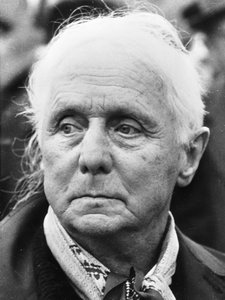
Max Ernst
1891 - 1976 , Germania
Informazioni rapide
- Artisti Che Hanno Influenzato Questo Artista:
- Pablo Picasso
- Vincent van Gogh
- Paul Gauguin
- Sigmund Freud
- Data Di Morte: 1 aprile 1976
- Data Di Nascita: 1 aprile 1891
- Luogo Di Nascita: Brühl, Germania
- Movimento Artistico: Dada e Surrealismo
- Nazionalità: Tedesca
- Nome Completo: Max Ernst
- Opere Notevoli:
- La Città Intera
- Euclides
- Foresta e Colomba
- L'Elefante di Celebes
Articoli correlati
Max Ernst: I 25 Capolavori che Rivoluzionarono l'Arte Moderna | AllPaintingsStore
Esplora i 25 capolavori di Max Ernst, pioniere del Surrealismo. Scopri la storia, le tecniche e il simbolismo dietro ogni opera iconica. Trova riproduzioni arte su tela di alta qualità per decorare casa con AllPaintingsStore.com.

Surrealist Dreamscapes: A Curated Journey Through the Subconscious Majesty of Surrealism
Embark on a sophisticated journey through Surrealist dreamscapes. Explore the profound symbolism of masters like Dalí and discover how to curate breathtaking, museum-quality surrealist art for your private collection with expert guidance.

I 10 Capolavori Surrealisti che Hanno Definito un Movimento Artistico | AllPaintingsStore
Esplora i 10 capolavori del Surrealismo con AllPaintingsStore.com! Scopri le storie di Dalí, Magritte e altri maestri, il simbolismo nascosto e l'impatto di questo movimento artistico rivoluzionario. Quadri surrealisti per la tua casa: acquista stampe d'arte di alta qualità online. Scopri tutte le opere su W

Dreamscapes & Disrupted Realities: Exploring Surrealism's Enduring Influence
Explore the fascinating world of Surrealism! Discover its origins, key artists like Dalí & Magritte, and enduring influence on art & culture. Expert insights & high-quality reproductions at AllPaintingsStore.

I 10 Capolavori Surrealisti che Hanno Definito un Movimento Artistico | AllPaintingsStore
Esplora i 10 capolavori del Surrealismo con AllPaintingsStore. Scopri le storie di Dalí, Magritte e Miró, il significato dei loro colori e tecniche uniche. Trova riproduzioni d'arte di alta qualità per la tua casa! Esplora la collezione online su AllPaintingsStore.com


