


 Anteprima in scala reale
 Condividi
 Condividi
 Dettagli
 Guida stampabile

 Scarica
 Articoli simili
 Radiografia
 Slideshow
 Statistiche
Albert Einstein (1879–1955)
 Oil On Canvas
- WallArt
- Impressionism
 1922
1922 100.0 x 75.0 cm
 Royal Society
 Leggi tutto
Giclée / Stampe d'arte
Stampa giclée o su tela di qualità museale, con produzione rapida e diverse opzioni di finitura. ( Ordina la riproduzione dipinta a mano Passa all'immagine digitale)




P118B €10

P118H €10

P118W €10

P438Z €10

P508JH €12

P508YH €12

P805H €10

P805Z €10

P919BZ €10

P919G €10

P919XJ €10

P959ZH €10

P968JZ €12

W106C €8

W218G €10

W218JH €8

W218Y €10

W307PJ €10

W316G €10

W316PJ €8

W316Y €10

W398PJ €8

W4111J €10

W500HY €15

W500JH €15

W692G €12

W849H €8

W940BG €15

W953PJ €8




Scegli tra le nostre dimensioni predefinite, che rispettano le proporzioni originali dell'opera d'arte.

Inserisci la larghezza e l'altezza desiderate, per adattarle alla tua cornice o alla tua parete. Una stampa può essere solo ritagliata, mai resa più grande dell'immagine originale; pertanto, un formato con una forma differente comporterà la perdita di una parte dell'opera. Ti invieremo un mockup digitale da approvare prima di procedere con la stampa. L'immagine mostrata in questa pagina non rappresenta il ritaglio reale — solo il mockup lo mostra.
Consegna in tutto il mondo () in 2 settimane invece delle normali 4/5 settimane. (25 Ottobre)

Spedizione espressa gratuita in tutto il mondo

Tela in lino di alta qualità

Assicurazione completa sulla spedizione

Garanzia di rimborso dei dazi doganali

Garanzia di perfetta fedeltà cromatica

Politica di reso entro 100 giorni (solo per difetti di fabbricazione)

Garanzia di rimborso al 100%

Sconto per acquisti multipli
 L'opzione vetro è disponibile solo per dimensioni inferiori a 110 cm

Albert Einstein (1879–1955)
Giclée / Stampe d'arte
Dimensioni della riproduzione
-


Prezzo totale
€ 56
A Portrait of Genius: Max Liebermann’s Einstein
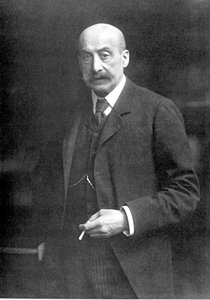
Max Liebermann's 1922 portrait of Albert Einstein isn’t merely a likeness; it’s a carefully constructed distillation of intellect, contemplation, and the burgeoning promise of a revolutionary mind. Painted during a pivotal period in Einstein’s career – immediately following his Nobel Prize win and the confirmation of his theories through the Eddington-Dyson eclipse observations – this oil painting transcends simple representation, offering a glimpse into the very essence of scientific genius. Liebermann, a master of Impressionism tempered with a keen observational eye, avoids the stark formality often associated with portraits of prominent figures, instead opting for an intimacy that draws the viewer directly into Einstein’s world.
The composition itself is deceptively simple: Einstein occupies most of the frame, his face turned slightly towards the left, creating a sense of quiet engagement. His hands, resting loosely on what appears to be a table or desk, subtly convey a restless energy – a mind constantly in motion, grappling with complex ideas. Liebermann’s brushwork is deliberately loose and expressive, eschewing sharp lines for a more impressionistic approach. This technique isn't about photographic accuracy; it’s about capturing the *feeling* of Einstein, his thoughtful demeanor, and the aura of intellectual intensity that surrounded him. The use of browns and ochres dominates the palette, lending the painting a warm, almost contemplative atmosphere – a visual echo of the quiet hours spent in deep thought.
The Impressionist Lens on Scientific Icon
Liebermann’s stylistic choices are deeply rooted in the tenets of Impressionism. He prioritizes capturing fleeting moments and subjective impressions over meticulous detail. This is evident in the way he renders light, using broken brushstrokes to suggest the play of illumination across Einstein's face and clothing. The shallow perspective further enhances this effect, creating a sense of immediacy and drawing the viewer into the scene as if they are witnessing this portrait firsthand. Unlike traditional portraits that often aim for an idealized representation, Liebermann’s Einstein is presented with a certain vulnerability – a hint of weariness around the eyes, suggesting the immense mental effort required to unravel the mysteries of the universe.
The historical context surrounding the painting is crucial to understanding its significance. 1922 was a time of great intellectual ferment in Europe, marked by the rise of modern physics and a growing sense of optimism about the future. Einstein’s work had already begun to transform our understanding of space, time, and gravity, and he was quickly becoming a global icon. Liebermann's portrait captures this moment perfectly, presenting Einstein not just as a brilliant scientist but also as a symbol of human ingenuity and progress.
Symbolism and the Portrait’s Essence
Beyond its technical merits, the painting is rich in symbolic meaning. The seated posture suggests contemplation and intellectual rigor – qualities inextricably linked to Einstein's legacy. The hands, resting casually yet deliberately, represent his engagement with ideas, his willingness to explore new possibilities. The muted color palette contributes to a sense of quiet introspection, inviting the viewer to share in Einstein’s mental landscape. It is important to note that Liebermann was not simply depicting a famous scientist; he was attempting to capture something deeper – the very spirit of scientific inquiry and the relentless pursuit of knowledge.
Furthermore, the painting subtly reflects the broader cultural anxieties of the era. The rise of science and technology was accompanied by concerns about the potential consequences of unchecked progress. Liebermann’s portrait, with its emphasis on intellectual contemplation, can be interpreted as a reminder of the importance of ethical considerations alongside scientific advancement. It's a poignant image that speaks to both the brilliance and the responsibility inherent in pushing the boundaries of human understanding.
A Timeless Reproduction
Reproductions of Liebermann’s Einstein portrait offer an exceptional opportunity to bring this remarkable work into any setting. The textured brushwork, the subtle nuances of light and shadow, and the intimate portrayal of a scientific icon are all faithfully captured in high-quality reproductions. Whether displayed in a study, a gallery, or a private residence, this painting continues to resonate with viewers today, serving as a powerful reminder of the enduring legacy of Albert Einstein and the transformative power of art.
Domande e risposte
In quale anno e all'interno di quale movimento è stata realizzata "Albert Einstein (1879–1955)"?
"Albert Einstein (1879–1955)" di Max Liebermann risale al 1922 e appartiene al Impressionism.
Quale collocazione si adatta meglio al formato di "Albert Einstein (1879–1955)" di Max Liebermann?
Il formato Portrait di "Albert Einstein (1879–1955)" di Max Liebermann è consigliato per un/una Living Room. Il formato e lo spazio insieme guidano il posizionamento di una riproduzione.
Quale formato di stampa di "Albert Einstein (1879–1955)" di Max Liebermann si adatta alla stanza consigliata?
In un Living Room, si consiglia di stampare "Albert Einstein (1879–1955)" con una dimensione di Medium.
Opere correlate


Biografia dell'artista
Primi Anni e Formazione
- Nato: Berlino, Germania (1847)
- Morto: 1935
Carriera Artistica e Stile
- Impressionismo: Liebermann divenne un sostenitore di spicco dell'Impressionismo in Germania, catturando momenti fugaci della vita moderna con un focus su luce e colore.
- Influenze: Il suo stile fu notevolmente influenzato da Édouard Manet, evidente nel suo spirito e approccio alla pittura.
- Motivi: Dipingeva frequentemente scene della borghesia e aspetti del suo giardino vicino al lago Wannsee.
- Ritrattistica: Liebermann ottenne riconoscimento come rinomato ritrattista, creando oltre 200 ritratti su commissione, tra cui quelli di Albert Einstein e Paul von Hindenburg.
Opere Significative e Riconoscimenti
- "Il dodicenne Gesù nel tempio": Un'opera giovanile che suscitò dibattiti a causa della sua rappresentazione di un ragazzo semitico come Gesù.
- Elezione alla Prussian Academy of Arts: Un significativo riconoscimento del suo merito artistico e contributo.
- Leadership della Berlin Secession (1899-1911): Guidò questa importante formazione d'avanguardia in Germania, sfidando le norme artistiche tradizionali.
Ultimi Anni e Significato Storico
- Dimissioni dalla Prussian Academy: Nel 1933, si dimise a seguito della decisione dell'accademia di escludere gli artisti ebrei.
- Morte ed Eredità: Morì a Berlino nel 1935, lasciando dietro di sé un corpus significativo di opere che continuano ad essere celebrate per il loro stile impressionista e la loro acuta rappresentazione della società tedesca.
Max Liebermann
1847 - 1935 , Germania
Informazioni rapide
- Artistic Movement Or Style: Impressionismo
- Artists Or Movements Influenced By This Artist: ['Lovis Corinth']
- Artists Who Influenced This Artist: ['Édouard Manet']
- Date Of Birth: 20 luglio 1847
- Date Of Death: 8 febbraio 1935
- Full Name: Max Liebermann
- Nationality: Tedesca
- Notable Artworks:
- Il dodicenne Gesù nel tempio
- Cascina olandese con donna
- Ritratto del Dottor Max Linde
- Place Of Birth: Berlino, Germania
Articoli correlati

The Enduring Legacy of Oil on Canvas: Technique, History & Aesthetic Impact
Explore the rich history & techniques of oil painting – from Renaissance masters to Impressionism. Discover pigments, layering methods, and why this timeless medium endures. Expert insights for artists & art enthusiasts.

The Timeless Beauty of Oil on Panel: Capturing Light and Texture through the Impressionist Lens
Discover the exquisite depth of oil on panel. Explore how Impressionist masters captured light and texture through tactile brushwork, and learn how to bring these museum-quality, hand-painted masterpieces into your home with expert curation.

The Timeless Charm of Oil on Board: Reimagining Texture and Light through the Impressionist Lens
Discover the profound intimacy of oil on panel. Explore how Impressionist masters used rigid supports to capture light, texture, and impasto depth through exquisite, handmade oil reproductions for discerning collectors.

The Soul of Impressionism: Why Oil on Canvas Captures Eternal Light and Timeless Emotion
Discover the enchanting alchemy of Impressionism. Explore how the mastery of oil on canvas, through glazing and impasto, captures eternal light and emotion. Perfect for lovers of Monet and Van Gogh seeking the profound depth of hand-painted fine art.

Max Ernst: I 25 Capolavori che Rivoluzionarono l'Arte Moderna | AllPaintingsStore
Esplora i 25 capolavori di Max Ernst, pioniere del Surrealismo. Scopri la storia, le tecniche e il simbolismo dietro ogni opera iconica. Trova riproduzioni arte su tela di alta qualità per decorare casa con AllPaintingsStore.com.


