

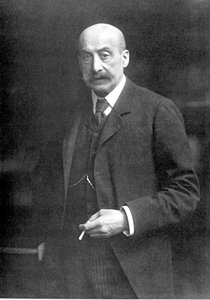
1914. Olio su tela, 68.0 x 50.0 cm. Lentos Kunstmuseum Linz.

§ 1Catalogue data


§ 2Abstract
Descrizione del reperto
Ammira "Autoritratto" (1914) di Max Liebermann. Olio su tela, uno studio sorprendente di introspezione e abbigliamento formale. Esplora i ricchi dettagli e l'importanza storica di questo capolavoro tedesco.
 Espandi i dettagli
Biografia dell'artista
Max Liebermann (1847-1935): Pittore impressionista tedesco celebre per scene di vita moderna, ritratti e vedute del suo giardino a Wannsee. Figura chiave della Secessione berlinese!
§ 3Commentary
Selfportrait - Max Liebermann: A Window Into Impressionistic Reflection
Max Liebermann’s “Selfportrait” (1914) stands as a cornerstone of German Impressionism, capturing not merely an image of the artist himself but also a profound meditation on identity and artistic vision. Painted during Liebermann's prolific period—a time marked by both critical acclaim and personal struggles—the canvas offers a glimpse into the inner landscape of one of Germany’s most celebrated painters.
- Subject Matter: The portrait depicts Liebermann seated at his easel, bathed in soft natural light. His gaze is directed outwards, seemingly contemplating the world beyond the confines of his studio—a deliberate choice that speaks to Liebermann's fascination with capturing fleeting moments and conveying emotional nuance.
- Style & Technique: Liebermann adhered rigorously to Impressionistic principles, prioritizing optical perception over meticulous detail. He employed loose brushstrokes and vibrant color palettes – predominantly blues and greens – to depict the atmosphere of his lakeside garden. The artist’s masterful handling of light is particularly noteworthy; he skillfully renders reflections on water surfaces and captures the subtle gradations of shade and tone.
- Historical Context: Created in 1914, just before the outbreak of World War I, “Selfportrait” embodies the spirit of a generation grappling with uncertainty and change. Liebermann’s artistic endeavors coincided with a broader movement toward experimentation and innovation within German art—a reaction against academic conventions and a desire to embrace new aesthetic sensibilities.
- Symbolism: The easel itself serves as a potent symbol – representing not only Liebermann's profession but also his creative process. His contemplative gaze suggests an inward turn, inviting viewers to consider themes of introspection and artistic contemplation. Furthermore, the garden setting symbolizes tranquility and beauty—elements that Liebermann consistently sought to portray in his paintings.
- Emotional Impact: “Selfportrait” transcends mere representation; it communicates a palpable sense of serenity and thoughtfulness. The artist’s gaze conveys both confidence and vulnerability, capturing the complexities of human experience. It is a portrait not just of a man but of an artist wrestling with questions of selfhood and artistic purpose—a timeless image that continues to resonate with audiences today.
The painting's enduring appeal lies in its ability to convey a deeply personal vision while simultaneously embodying the broader ideals of Impressionism. Liebermann’s meticulous attention to light and color, combined with his psychological insight, cements “Selfportrait” as an exemplar of artistic excellence—a testament to the transformative power of observation and creative expression.
Domande e risposte
Quali sono i diritti di riproduzione per "Autoritratto" presso il Lentos Kunstmuseum Linz?
Lo stato del copyright di "Autoritratto" di Max Liebermann è chiaro: l'opera è di pubblico dominio - il copyright è scaduto. La sua presenza presso Lentos Kunstmuseum Linz non ne cambia lo stato.
In che anno è stata realizzata l'opera "Autoritratto" di Max Liebermann e a quale movimento appartiene?
"Autoritratto" è stata creata nel 1914 ed appartiene al movimento Pittura del primo Novecento. La data e il movimento collocano l'opera nel contesto della storia dell'arte.
Qual è la forma di "Autoritratto" di Max Liebermann e quali sono le sue dimensioni?
Il formato di "Autoritratto" è Portrait e l'originale misura 68 x 50 cm. Entrambi sono utili quando si pianifica una riproduzione.


![Autorretrato [self-portrait] — Oscar Pereira Da Silva, Academic Realism](/media/artworks/images-thumb/f8/2c/f82c36e3c45761e537cad75f812a5b33.jpg)


 Passa alle stampe


 Per opere d'arte o riproduzioni con un lato superiore a 105 cm (circa 41 pollici), la cornice verrà spedita in forma di kit smontato. Questo metodo garantisce una consegna sicura e previene danni durante il trasporto.


