Anteprima in scala reale
 Condividi
 Condividi
 Dettagli

 Scarica immagine
 Articoli simili
 Radiografia
 Slideshow
Guard

 Leggi tutto
Giclée / Stampe d'arte
Stampa giclée o su tela di qualità museale, con produzione rapida e diverse opzioni di finitura. ( Ordina la riproduzione dipinta a mano Acquista download)




P118B $10

P118H $10

P118W $10

P438Z $10

P508JH $12

P508YH $12

P805H $10

P805Z $10

P919BZ $10

P919G $10

P919XJ $10

P959ZH $10

P968JZ $12

W106C $8

W218G $10

W218JH $8

W218Y $10

W307PJ $10

W316G $10

W316PJ $8

W316Y $10

W398PJ $8

W4111J $10

W500HY $15

W500JH $15

W692G $12

W849H $8

W940BG $15

W953PJ $8




Scegli tra le nostre dimensioni predefinite, che rispettano le proporzioni originali dell'opera d'arte.

È possibile inserire dimensioni personalizzate per adattare l'opera a una cornice o a uno spazio specifico. Se la dimensione selezionata non corrisponde alle proporzioni dell'immagine originale, procederemo al ritaglio dell'opera o all'estensione dell'immagine con un bordo specchiato o a tinta unita. Un mockup digitale ti verrà inviato per approvazione prima dell'inizio della produzione.
Si prega di notare che l'anteprima a schermo non riflette il ritaglio o l'estensione effettivi. Solo il mockup mostrerà accuratamente la composizione finale.
Sebbene siano disponibili dimensioni personalizzate, si raccomanda di selezionare una dimensione dall'elenco predefinito per preservare le proporzioni originali.
Consegna in tutto il mondo () in 2 settimane invece delle normali 4/5 settimane. (19 Agosto)

Spedizione espressa gratuita in tutto il mondo

Tela in lino di alta qualità

Assicurazione completa sulla spedizione

Garanzia di rimborso dei dazi doganali

Garanzia di fedeltà cromatica dell'originale

Politica di reso entro 60 giorni (solo per difetti di fabbricazione)

Garanzia di rimborso al 100%

Sconto per acquisti multipli
 L'opzione vetro è disponibile solo per dimensioni inferiori a 110 cm

Guard
Giclée / Stampe d'arte
Dimensioni della riproduzione
-


Prezzo totale
$ 64
Descrizione del pezzo
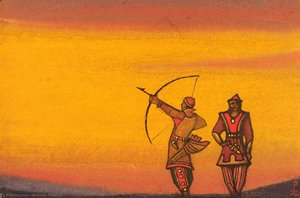
The Majesty of the Fortress: An Exploration of Nicholas Roerich’s “Guard”
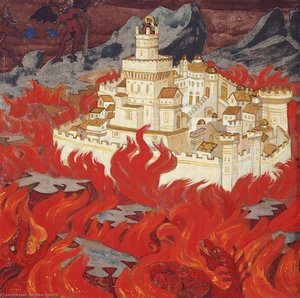
Nicholas Roerich's "Guard" (Стражи снега), painted in 1922, isn’t merely a depiction of a medieval fortress; it’s a profound meditation on duty, vigilance, and the enduring spirit of defense against an unseen darkness. This monumental canvas, rendered in Roerich’s signature style – characterized by muted colors, simplified forms, and a palpable sense of atmosphere – transports the viewer to a realm where history, myth, and spirituality converge. The painting immediately commands attention with its imposing scale and the sheer weight of the fortress itself, dominating the composition and anchoring the eye.
Roerich’s artistic journey had been shaped by his early exposure to Russian Symbolism, a movement that sought to express spiritual truths through evocative imagery. Influenced by figures like Mikhail Vrubel and inspired by medieval iconography, Roerich developed a unique visual language—one that prioritized mood and symbolism over strict realism. “Guard” exemplifies this approach perfectly; the fortress isn’t presented as a photographic representation but rather as a symbolic embodiment of strength and resilience.
A Symphony of Cool Tones and Angular Lines
The painting's palette is dominated by cool, earthy tones—grays, browns, blues, and whites—creating an atmosphere of solemnity and quiet contemplation. These muted colors are skillfully layered to suggest texture and depth, particularly in the rough-hewn stone of the fortress walls. The artist’s use of angular lines – sharply defined against the softer curves of the landscape – reinforces the fortress's imposing presence and conveys a sense of unwavering resolve. Notice how the diagonals of the wall create a powerful vertical thrust, drawing the eye upwards and emphasizing the structure’s height and stability.
Roerich’s technique is notable for its deliberate flatness. He eschewed traditional perspective in favor of a more symbolic approach, flattening the space to heighten the sense of timelessness and universality. The figures of the knights are rendered with simplified forms, their armor gleaming subtly against the muted background. The snow-covered ground provides a stark contrast to the fortress’s solidity, adding another layer of visual interest and reinforcing the painting's themes of protection and endurance.
Symbolism Woven into Stone and Snow
Beyond its formal qualities, “Guard” is rich in symbolism. The fortress itself represents security, stability, and the defense against chaos – a concept central to Roerich’s philosophy. The knights, clad in their armor, embody duty, vigilance, and the willingness to sacrifice for a greater cause. Their placement within the foreground suggests that they are not merely guardians of the fortress but also protectors of something far more profound—perhaps humanity itself. The snow-covered landscape, often associated with isolation and hardship, could symbolize the challenges and obstacles faced by those who uphold these values.
Roerich’s personal beliefs – rooted in Theosophy and a fascination with Eastern mysticism – deeply informed his work. The painting can be interpreted as an allegory for the human soul's struggle against inner darkness, with the fortress representing the mind and the knights embodying the forces of reason and will. The overall effect is one of quiet strength and unwavering resolve—a testament to the enduring power of tradition and the importance of safeguarding our values.
A Legacy in Reproduction
Today, Nicholas Roerich’s “Guard” continues to captivate viewers with its evocative imagery and profound symbolism. High-quality reproductions offer a remarkable opportunity to experience this masterpiece firsthand, bringing its timeless message into any space. Whether adorning a grand salon or a smaller study, "Guard" serves as a powerful reminder of the enduring values of duty, vigilance, and the unwavering spirit of defense—a legacy that resonates deeply with art lovers and collectors alike.
Opere correlate




Biografia dell'artista
Nicholas Roerich: Vita, Arte e Eredità
Primi Anni di Vita ed Educazione
- Nicholas Konstantinovich Roerich nacque il 9 ottobre 1874 a San Pietroburgo, Russia.
- Suo padre, notaio tedesco baltico, e sua madre, una donna russa, coltivarono in lui fin da giovane un apprezzamento per le arti.
- Roerich perseguì sia il diritto che l'arte contemporaneamente, iscrivendosi all'Università di San Pietroburgo e all'Accademia d'Arti Imperiali nel 1893.
- Ricevette il titolo di “Artista” nel 1897 e una laurea in legge l'anno successivo.
Iniziative Artistiche e Influenze
- Lo sviluppo artistico di Roerich fu significativamente influenzato da Simbolismo Russo, un movimento che enfatizzava la spiritualità e la profondità emotiva.
- Diventò coinvolto nella società “World of Art” di Sergei Diaghilev, diventando presidente dal 1910 al 1916.
- Il suo lavoro iniziale mostrava un fascino per l'archeologia e il design teatrale, portando a collaborazioni su produzioni per i Ballets Russes.
- Fu anche influenzato da apocrifi e scritti settari medievali come il Libro dell’Oca.
Collaborazione con i Ballets Russes
- I progetti di Roerich per i Ballets Russes furono molto apprezzati, in particolare il suo lavoro su Alexander Borodin's Principe Igor (1909) e Igor Stravinsky’s Il Rituale della Primavera (1913).
- I suoi progetti di scenografia combinavano ricerca storica con arte immaginativa, creando produzioni visivamente sbalorditive.
- Questa collaborazione lo affermò come figura di spicco nel design teatrale nei primi anni del XX secolo.
Sviluppo Artistico e Temi
- I dipinti di Roerich si evolsero per incorporare temi sempre più mistici e spirituali, riflettendo il suo crescente interesse per la Teosofia e le religioni orientali.
- La sua serie Studi Architettonici (1904–1905) dimostrò la sua abilità architettonica e il suo impegno nella preservazione del patrimonio culturale.
- Motivi ricorrenti nelle sue opere includono paesaggi maestosi, antiche città e figure religiose come San Pantelemon e Kuan Yin.
- Spesso raffigurava l'Himalaya, una regione che per lui aveva un profondo significato spirituale.
Realizzazioni Principali e Riconoscimenti
- Roerich fu un fervente sostenitore della protezione dell’arte e dell’architettura durante i tempi di guerra.
- I suoi sforzi portarono alla creazione del Patto Roerich (1935), un trattato internazionale per la conservazione degli oggetti culturali, guadagnandogli numerose nomine per il Premio Nobel per la Pace.
- Viaggiò ampiamente in Asia Centrale, conducendo ricerche archeologiche e documentando culture antiche.
- Le sue opere sono esposte in importanti collezioni museali in tutto il mondo, tra cui la Galleria d'Arte di Astrakhan.
Significato Storico ed Eredità
- L’impatto di Nicholas Roerich sull’arte e sulla cultura russa è immensurabile.
- Ha colmato il divario tra l'espressione artistica e l'esplorazione spirituale, influenzando generazioni di artisti e pensatori.
- Il suo impegno nella conservazione del patrimonio culturale rimane rilevante oggi, evidenziando l’importanza di proteggere la nostra eredità condivisa.
- L’eredità di Roerich si estende oltre i suoi dipinti; è ricordato come un artista visionario, studioso e umanitario.

Nikolaj Roerich
1874 - 1947 , Russia
Informazioni rapide
- Artisti Influenti:
- Gauguin
- Van Gogh
- Data Di Nascita: 9 ottobre 1874
- Luogo Di Nascita: San Pietroburgo, Russia
- Movimento Artistico: Simbolismo russo
- Nazionalità: Russo
- Nome Completo: Nikolaj Konstantinovič Rerich
- Opere Notevoli:
- Monte dei cinque tesori
- Percorso verso Kailas 4
- Ponte di Gloria
- Lago dei Naga
Articoli correlati

Nicholas Roerich: Misticismo, Montagne e la Ricerca di una Saggezza Senza Tempo nell'Arte
Esplora il mondo affascinante di Nicholas Roerich: simbolismo, paesaggi himalayani e la profonda filosofia dell'Agni Yoga. Scopri l'arte che rivela saggezza senza tempo e un viaggio spirituale unico.
Ivan Bilibin: A Synthesis of Folklore, Modernism & National Identity in Russian Illustration
Explore the enchanting world of Ivan Bilibin, a master Russian illustrator who synthesized folklore, Art Nouveau & national identity. Discover his iconic fairy tale illustrations and legacy with AllPaintingsStore.

I 10 Capolavori dell'Alto Medioevo: Arte, Storia e Decorazioni Raffinate
Esplora i 10 capolavori dell'Alto Medioevo! Affreschi romanici, icone gotiche e mosaici bizantini raccontano storie di fede e arte. Trova riproduzioni di alta qualità e idee per decorare la tua casa con AllPaintingsStore.com.

Victor Vasnetsov: Myth, Nationalism & the Revival of Russian Fairy Tale Painting
Explore the captivating world of Victor Vasnetsov, a co-founder of Russian folklorist painting. Discover his iconic works, influence on national identity, and lasting legacy in this expert guide.

Timeless Knights & Legends: A Cultural Journey Through the Majesty of Medieval Art
Explore the profound beauty of medieval art through the lens of history. Discover the symbolism of knights, the divine frescoes of Giotto, and how legendary masterpieces continue to inspire modern collectors and lovers of chivalric heritage.