


 Anteprima in scala reale
 Condividi
 Condividi
 Dettagli

 Scarica immagine
 Articoli simili
 Radiografia
 Slideshow
Venus and Adonis
 Oil On Canvas
- WallArt
- Classical Baroque
 1624
1624- Early Modern
 99.0 x 134.0 cm
 Leggi tutto
Giclée / Stampe d'arte
Stampa giclée o su tela di qualità museale, con produzione rapida e diverse opzioni di finitura. ( Ordina la riproduzione dipinta a mano Acquista download)




P118B $10

P118H $10

P118W $10

P438Z $10

P508JH $12

P508YH $12

P805H $10

P805Z $10

P919BZ $10

P919G $10

P919XJ $10

P959ZH $10

P968JZ $12

W106C $8

W218G $10

W218JH $8

W218Y $10

W307PJ $10

W316G $10

W316PJ $8

W316Y $10

W398PJ $8

W4111J $10

W500HY $15

W500JH $15

W692G $12

W849H $8

W940BG $15

W953PJ $8




Scegli tra le nostre dimensioni predefinite, che rispettano le proporzioni originali dell'opera d'arte.

È possibile inserire dimensioni personalizzate per adattare l'opera a una cornice o a uno spazio specifico. Se la dimensione selezionata non corrisponde alle proporzioni dell'immagine originale, procederemo al ritaglio dell'opera o all'estensione dell'immagine con un bordo specchiato o a tinta unita. Un mockup digitale ti verrà inviato per approvazione prima dell'inizio della produzione.
Si prega di notare che l'anteprima a schermo non riflette il ritaglio o l'estensione effettivi. Solo il mockup mostrerà accuratamente la composizione finale.
Sebbene siano disponibili dimensioni personalizzate, si raccomanda di selezionare una dimensione dall'elenco predefinito per preservare le proporzioni originali.
Consegna in tutto il mondo () in 2 settimane invece delle normali 4/5 settimane. (22 Agosto)

Spedizione espressa gratuita in tutto il mondo

Tela in lino di alta qualità

Assicurazione completa sulla spedizione

Garanzia di rimborso dei dazi doganali

Garanzia di fedeltà cromatica dell'originale

Politica di reso entro 60 giorni (solo per difetti di fabbricazione)

Garanzia di rimborso al 100%

Sconto per acquisti multipli
 L'opzione vetro è disponibile solo per dimensioni inferiori a 110 cm

Venus and Adonis
Giclée / Stampe d'arte
Dimensioni della riproduzione
-


Prezzo totale
$ 64
Descrizione del pezzo
A Symphony of Classical Idealism
In the grand tapestry of the French Baroque, few works capture the delicate tension between eternal beauty and the fleeting nature of life as poignantly as Nicolas Poussin’s Venus and Adonis. Completed in 1624, this monumental canvas serves as a profound meditation on desire and mortality, bridging the gap between the humanist ideals of the Italian Renaissance and the burgeoning grandeur of the French classical tradition. As one gazes upon the expansive composition, measuring an impressive 99 x 134 cm, the viewer is immediately transported to a mythological realm where every brushstroke serves a narrative purpose. The painting does not merely depict a scene; it orchestrates a drama of the soul, inviting collectors and art enthusiasts alike to contemplate the heavy weight of destiny that hangs over its central figures.
At the heart of this luminous tableau lies the tender, almost desperate embrace between Venus, the goddess of love, and her mortal lover, Adonis. Bathed in a soft, celestial light reminiscent of Raphael’s most idealized works, the pair rests upon a verdant landscape that feels both intimate and infinite. Yet, beneath this surface of romantic tranquility, a subtle sense of foreboding permeates the air. Poussin masterfully weaves a web of symbolism throughout the scene: while the gods Zephyr, Boreas, and Chloris attempt to pull Adonis back toward the joys of springtime and the hunt, a serpent coils menacingly near his feet. This small but potent detail serves as a chilling memento mori, representing the inevitable intrusion of death into the sanctuary of passion. The presence of dogs, horses, and birds further ennobles the landscape, grounding the divine drama in the primal rhythms of the natural world.
Mastery of Light and Illusion
Technically, Venus and Adonis is a triumph of atmospheric perspective and illusionistic painting. Poussin moves beyond the rigid linear boundaries of his predecessors, instead employing subtle gradations of color and tonal shifts to create an ethereal sense of depth. This technique allows the distant horizons to recede into a soft, hazy blue, giving the landscape a vast, breathing quality that enhances the emotional scale of the narrative. For the interior designer or connoisseur, this mastery of light offers a unique opportunity; the painting possesses a luminous palette that can breathe life and sophisticated energy into a room, acting as a focal point that commands attention through its quiet intensity rather than mere spectacle.
The emotional impact of the work lies in its ability to balance the sensuous with the intellectual. While the initial impression is one of lush, painterly beauty—a legacy of Poussin's early encounters with Venetian masters like Titian—the underlying structure is one of rigorous order and classical poise. It is a piece that rewards prolonged study, revealing new layers of meaning in the interplay between the figures and their environment. Whether displayed as a centerpiece in a formal gallery or as a sophisticated accent in a curated living space, this reproduction of Poussin’s masterpiece offers a timeless connection to the heights of human creativity, making it an incomparable acquisition for those who seek art that speaks to both the eye and the intellect.
Opere correlate


Biografia dell'artista
vitae e formazione
nicolas poussin, nato nel giugno 1594, è stata la quintessenza della pittura barocca francese classica. Nonostante abbia trascorso gran parte della sua carriera a Roma, è rimasto profondamente radicato nelle tradizioni artistiche francesi. I suoi primi giorni come pittore sono stati avvolti nell'incertezza, ma già nel 1612 aveva iniziato lo studio formale a Parigi, assorbendo influenze da artisti meno noti prima di essere attratto a Roma nel 1624.stile artistico e influenze
Lo stile estetico di Poussin, celebrato per la sua composizione coerente e la priorità alla linearità, ha gettato le basi per influenzare maestri come jacques-louis david e paul cézanne ben nel XX secolo. Il suo stile distintivo si è cristallizzato attraverso opere celebri come la morte di Germanico e la sua opera fondamentale i sette sacramenti.opere notevoli e musei
- Nascita di Poussin: autoritratto 1 (barocco, olio), una testimonianza della sua maestria nel mezzo.
- Bacchantale davanti a un tempio (74 x 101 cm, Legion of Honor, San Francisco, Stati Uniti, olio su tela), che mostra la sua capacità di bilanciare composizione e narrazione.
- Il musée des beaux-arts de Carcassonne, una tappa obbligatoria per gli appassionati d'arte, che ospita una collezione impressionante di dipinti occidentali dal XVII al XX secolo.
eredità e impatto
L'affidamento di Poussin è rimasto a Roma, dove si è infine concentrato sull'incorporare paesaggi vasti nella sua arte. La sua maturità come artista è incapsulata in opere come Orione cieco alla ricerca del sole e le stagioni, che hanno annunciato un'era di composizione rigorosa infusa dalla serenità della bellezza naturale.esplora di più con AllPaintingsStore.com
Scopri i capolavori del musée France e approfondisci il mondo della pittura barocca francese con musée picasso, musée des beaux-arts de carcassonne e altri musei importanti. Visita la pagina di nicolas poussin su AllPaintingsStore.com per esplorare altre delle sue opere e conoscere il contesto in cui sono state create.Riferimenti
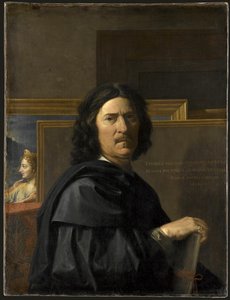
Nicolas Poussin
1594 - 1665 , Francia
Informazioni rapide
- Artisti Influenti:
- Raffaello
- Tiziano
- Artisti Influenzati:
- Jacques-Louis David
- Paul Cézanne
- Data Di Morte: 1665
- Data Di Nascita: Giugno 1594
- Luogo Di Nascita: Le Havre, Francia
- Movimento Artistico: Barocco francese classico
- Nazionalità: Francese
- Nome Completo: Nicolas Poussin
- Opere Notevoli:
- La Morte di Germanico
- I Sette Sacramenti
- Una strada romana
- Orione alla ricerca del sole
- Le Stagioni
Articoli correlati

Baroque Classicism: The Grandeur of Order and Drama in 17th-Century Art History
Explore the profound elegance of Baroque Classicism. Discover how 17th-century masters synthesized dramatic emotion with classical order through the lens of the Counter-Reformation and the works of legends like Carlo Maratta and Andrea Sacchi.

Nicolas Poussin: Ordine, Allegoria e Ragione nella Pittura Francese del XVII Secolo
Esplora l'universo artistico di Nicolas Poussin, maestro del classicismo francese. Analisi approfondita delle sue opere più iconiche, influenze e dell'eredità che ha lasciato nella storia dell'arte.

Baroque Classicism: Reconciling Drama & Order in 17th-Century Art
Explore the captivating world of Baroque Classicism! Discover its history, key artists like Caravaggio & Rubens, and defining characteristics. Expert insights & high-quality reproductions at AllPaintingsStore.

The Enduring Legacy of Classicism: Principles, Evolution & Influence in Western Art
Explore the enduring legacy of Classicism in Western art! Discover its historical context, key principles, iconic masterpieces & lasting influence. Learn about Renaissance and Neoclassical movements with AllPaintingsStore.

I 10 Capolavori del Barocco che Hanno Definito la Pittura: Stile, Artisti e Decorazioni di Lusso
Esplora i 10 capolavori della pittura barocca: Caravaggio, Rembrandt e altri maestri. Scopri la storia, le tecniche e l'impatto di questi dipinti iconici. Trova riproduzioni d'arte di qualità museale su AllPaintingsStore.com.


