


 Anteprima in scala reale
 Condividi
 Condividi
 Dettagli
 Guida
Guida

 Scarica
 Articoli simili
 Radiografia
 Slideshow
 Statistiche
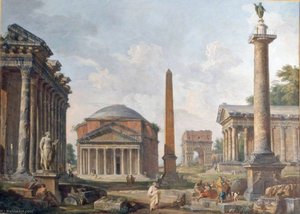
View of the Ruins after the the Great Fire
 Leggi tutto
Riproduzione a olio fatta a mano
Olio su tela dipinto a mano nelle tue dimensioni e con la tua cornice, realizzato su ordinazione dai nostri artisti. ( Passa alle stampe Passa all'immagine digitale)




































Scegli tra le nostre dimensioni predefinite, che rispettano le proporzioni originali dell'opera d'arte.

È possibile inserire dimensioni personalizzate per adattare l'opera a una cornice o a uno spazio specifico. Se la dimensione selezionata non corrisponde alle proporzioni dell'immagine originale, provvederemo a ritagliare l'opera o a estendere il dipinto con elementi aggiuntivi dipinti a mano. Un mockup digitale ti sarà inviato per approvazione prima dell'inizio della produzione.
Si prega di notare che l'anteprima a schermo non riflette il ritaglio o l'estensione effettivi. Solo il mockup mostrerà accuratamente la composizione finale.
Sebbene siano disponibili dimensioni personalizzate, consigliamo di selezionare una dimensione dall'elenco predefinito per preservare le proporzioni originali.
Dopo l'ordine, il team di AllPaintingsStore.com contatterà il cliente via e-mail per ricevere le istruzioni e fornirà un'anteprima del mockup
Consegna in tutto il mondo () in 3/4 settimane anziché nelle normali 5 settimane. (21 Settembre). Nessun compromesso sulla qualità.

Spedizione espressa gratuita in tutto il mondo

Tela in lino di alta qualità

Assicurazione completa sulla spedizione

Garanzia di rimborso dei dazi doganali

Garanzia di perfetta fedeltà cromatica

Politica di reso entro 100 giorni (solo per difetti di fabbricazione)

Garanzia di rimborso al 100%

Sconto per acquisti multipli
 L'opzione vetro è disponibile solo per dimensioni inferiori a 110 cm

View of the Ruins after the the Great Fire
Tecnica di riproduzione
Dimensioni della riproduzione
-


Prezzo totale
$ 258
Opere correlate
![Stanze Vaticane - Il Fuoco Nel Borgo (dettaglio) [01] — Raffaello, High Renaissance](/media/artworks/images-thumb/76/f6/76f6220ba33c4e1d9790e47ace4c7148.jpg)




Biografia dell'artista
Nicolino Calyo - Early Life and Artistic Training
Nicolino Calyo (1799 – 9 December 1884) was born in Naples, Kingdom of Naples, into an aristocratic family descended from the Viscontes di Calyo of Calabria. His father, Giuseppe Calyo, served as a military officer, instilling in Nicolino a disciplined approach to learning and observation—traits that would profoundly shape his artistic career. From a young age, Calyo pursued formal training at the Naples Academy, immersing himself in the traditions of Neoclassical painting and honing his skills alongside fellow artists like Antonio Canale (called Canaletto) and Francesco Guardi. These formative influences established a bedrock of stylistic precision and topographical accuracy that would characterize his later work. The political turbulence of early nineteenth century Italy—marked by uprisings against Ferdinand I—provided a backdrop for Calyo’s intellectual development, fostering a spirit of engagement with social and political issues.Travels and Artistic Exploration
Driven by ambition and a desire for artistic opportunity, Calyo embarked on a restless journey across Europe following his graduation from the Academy. He visited Rome, Athens, Paris, Palermo, Granada, and Gibraltar, absorbing diverse cultural influences and refining his observational skills. These travels weren’t merely excursions; they were deliberate acts of research—Calyo meticulously sketched landscapes and urban scenes, documenting them with painstaking detail. His artistic explorations extended beyond mere visual representation; he sought to capture the essence of human experience within his paintings, reflecting a broader intellectual curiosity that distinguished him from many of his contemporaries. Notably, Calyo’s involvement in the unsuccessful 1820–21 revolt against Ferdinand I propelled him into exile, shaping his life trajectory and fostering connections with fellow Italian refugees—most notably Sir Frederick Ponsonby, governor of Malta.Migration to America and The Great Fire
In 1834, Calyo immigrated to Baltimore, Maryland, seeking a new environment for artistic endeavor and personal fulfillment. He established a studio there and quickly gained recognition as a painter, capitalizing on the burgeoning American art market. Recognizing the potential for innovation and collaboration, he partnered with his son John A. Calyo—a fellow artist—creating “N. Calyo & Son,” specializing in historical paintings and teaching instruction. The pivotal moment of Calyo’s artistic life arrived in December 1835 when the Great Fire ravaged New York City. Witnessing the devastation firsthand, he responded with a series of twenty-two gouache paintings that captured the urgency and drama of the event—works lauded for their stylistic fidelity to European traditions combined with an unprecedented level of observational accuracy. Two of his images were reproduced in aquatint by William James Bennett, cementing Calyo’s reputation as a chronicler of urban catastrophe. The New-York Historical Society holds two monumental gouaches depicting the fire, serving as enduring testaments to Calyo's artistic vision and historical significance.Later Career and Legacy
From 1838 until 1855, Calyo continued to exhibit his paintings in New York City directories—as a portrait painter, landscape artist, instructor, and businessman—demonstrating the breadth of his artistic pursuits. He cultivated connections with prominent European figures, including Napoleon III, fostering an international artistic community within his home. His involvement in the Mexican War inspired him to produce panoramic paintings documenting military campaigns. Calyo’s dedication to capturing the beauty and complexity of American landscapes extended beyond grand vistas; he meticulously rendered scenes of everyday life—particularly those depicting laborers—in watercolor and gouache, reflecting a humanist sensibility that resonated with audiences of his time. His series of watercolors entitled “Cries of New York” became an iconic representation of urban realism, establishing Calyo as one of the foremost artists documenting American society during the mid-nineteenth century. He died peacefully in New York City on December 9, 1884, leaving behind a legacy of artistic achievement and unwavering commitment to observation—a testament to the enduring power of classical training combined with an acute awareness of contemporary experience.
Nicolino Calyo
1799 - 1884 , Italia
Informazioni rapide
- Artistic Movement Or Style: Hudson River School
- Artists Who Influenced This Artist:
- Antonio Canale
- Francesco Guardi
- Date Of Birth: 1799
- Date Of Death: 1884
- Full Name: Nicolino Vicompte Calyo
- Nationality: Italian-American
- Notable Artworks:
- The Auctioner In Public Streets
- Niagara Falls from Table Rock
- The Bay Of Naples With An American Frigate
- Place Of Birth: Naples, Italy

