


 Anteprima in scala reale
 Invia
Invia Condividi
 Dettagli opera
 Guida
Guida

 Scarica
 Simili
 Radiografia
 Slideshow
 Q&A
Q&A Statistiche
Boy Resting


 Espandi i dettagli
Giclée / Stampe d'arte
Stampa giclée o su tela di qualità museale, con produzione rapida e diverse opzioni di finitura. ( Acquista il dipinto realizzato a mano Passa all'immagine digitale)




P118B €10

P118H €10

P118W €10

P438Z €10

P508JH €12

P508YH €12

P805H €10

P805Z €10

P919BZ €10

P919G €10

P919XJ €10

P959ZH €10

P968JZ €12

W106C €8

W218G €10

W218JH €8

W218Y €10

W307PJ €10

W316G €10

W316PJ €8

W316Y €10

W398PJ €8

W4111J €10

W500HY €15

W500JH €15

W692G €12

W849H €8

W940BG €15

W953PJ €8




Scegli tra le nostre dimensioni predefinite, che rispettano le proporzioni originali dell'opera d'arte.

Inserisci la larghezza e l'altezza desiderate, per adattarle alla tua cornice o alla tua parete. Una stampa può essere solo ritagliata, mai resa più grande dell'immagine originale; pertanto, un formato con una forma differente comporterà la perdita di una parte dell'opera. Ti invieremo un mockup digitale da approvare prima di procedere con la stampa. L'immagine mostrata in questa pagina non rappresenta il ritaglio reale — solo il mockup lo mostra.
Consegna in tutto il mondo () in 2 settimane invece delle normali 4/5 settimane. (29 Ottobre)

Spedizione espressa gratuita in tutto il mondo

Tela in lino di alta qualità

Assicurazione completa sulla spedizione

Garanzia di rimborso dei dazi doganali

Garanzia di fedeltà cromatica assoluta

Politica di reso entro 100 giorni (solo per difetti di fabbricazione)

Garanzia di rimborso al 100%

Offerta per acquisti multipli
 L'opzione vetro è disponibile solo per dimensioni inferiori a 110 cm

Boy Resting
Giclée / Stampe d'arte
Dimensioni riproduzione
-


Prezzo finale calcolato
€ 56
Paul Cézanne: A Pioneer of Modern Art
Paul Cézanne (1839–1906) stands as an undeniable cornerstone of the artistic landscape transitioning from Impressionism to Cubism, marking a pivotal moment in European art history. His unwavering dedication to exploring new visual languages profoundly influenced subsequent generations of artists and cemented his legacy as “the father of us all,” a title bestowed upon him by luminaries like Henri Matisse and Pablo Picasso. Cézanne’s artistic journey began amidst the vibrant energy of Impressionism, where he initially absorbed the techniques championed by Monet and Renoir—capturing fleeting moments of light and color with loose brushstrokes—yet swiftly rejected their limitations in favor of a more ambitious pursuit: to represent objects as they truly exist, not merely as perceived.- Early Influences: Cézanne’s formative years were steeped in Romanticism and the Barbizon school, where he honed his observational skills amidst landscapes imbued with atmospheric depth and tonal variation. Artists like Jean-François Millet captivated him with their depictions of rural life and their commitment to portraying subjects with unflinching realism.
- The Barbizon School: Cézanne’s exposure to the Barbizon school instilled in him a profound appreciation for capturing the essence of nature—its textures, colors, and contours—without resorting to idealized representations. This influence would permeate his entire oeuvre, shaping his distinctive approach to composition and color palettes.
- Impressionistic Roots: Cézanne’s initial foray into Impressionism allowed him to experiment with techniques like plein air painting—working outdoors directly from observation—and layering colors to achieve luminous effects. However, he quickly recognized that Impressionism's focus on capturing transient impressions fell short of conveying the underlying structure and solidity of objects.
Revolutionizing Representation: Cézanne’s Unique Style
Cézanne’s artistic breakthrough arrived with his embrace of a revolutionary style characterized by repetitive, exploratory brushstrokes—a technique that would become synonymous with his name—and an unwavering insistence on depicting objects as they appear to the eye, rather than as they are conventionally rendered. He meticulously dissected forms into geometric planes—cylinders, cones, and cubes—creating compositions that prioritized spatial relationships over linear perspective. This approach challenged the conventions of academic art, which demanded meticulous accuracy in portraying three-dimensional space, and paved the way for Cubism’s radical fragmentation of visual reality. Cézanne's method was not merely stylistic; it represented a fundamental rethinking of how artists could engage with their subjects and convey emotion.Landscapes of Sainte-Victoire: A Symbol of Persistence
Perhaps Cézanne’s most iconic series—the monumental depictions of Mont Sainte-Victoire—became an emblem of his artistic vision and a testament to his unwavering dedication to capturing the sublime beauty of Provence. These canvases, executed over several decades, embody Cézanne's preoccupation with exploring the interplay between color and form, as well as conveying a sense of profound contemplation. The mountain itself served as a focal point for Cézanne’s artistic endeavors—a subject he revisited countless times, experimenting with different perspectives and compositional arrangements—reflecting his belief that art should strive to capture not just what is seen but also what is felt. Sainte-Victoire became more than just a landscape; it represented Cézanne's relentless pursuit of artistic truth and his unwavering commitment to conveying the emotional resonance of nature.Legacy and Influence
Cézanne’s groundbreaking style exerted an indelible influence on subsequent artists—particularly Picasso and Matisse—who embraced his exploration of geometric abstraction and his rejection of traditional perspective. His work continues to inspire admiration for its simplicity, elegance, and profound psychological depth. Cézanne's legacy extends beyond the realm of painting; he fundamentally altered the trajectory of modern art, establishing a new paradigm for representing visual reality and fostering an enduring fascination with capturing the essence of human experience—a legacy that resonates powerfully within the artistic landscape to this day.Domande e risposte
Quale uso e quale spazio si consigliano per "Boy Resting" di Paul Cézanne?
L'uso (Accento cromatico) e lo spazio (Zona living) sono le due raccomandazioni indicate per "Boy Resting" di Paul Cézanne.
Dove si consiglia di esporre il formato Orizzontale di "Boy Resting"?
Il formato (Orizzontale) e l'ambiente consigliato (Zona living) sono i due dettagli di posizionamento registrati per "Boy Resting" di Paul Cézanne.
Da quale paese proviene l'opera del Post-Impressionism "Boy Resting"?
"Boy Resting" connette il movimento Post-Impressionism con Francia attraverso il luogo di nascita del suo autore.
Opere simili


Biografia dell'artista
vitae e influenze
paul cézanne, pittore post-impressionista francese, nacque il 19 gennaio 1839 ad Aix-en-Provence, Francia. La sua giovinezza fu segnata da un forte legame con la famiglia e la sua attività bancaria, che gli fornirono sicurezza finanziaria. Ciò gli permise di concentrarsi sulle sue aspirazioni artistiche senza il peso dello stress finanziario. les nabis, neo-impressionismo e simbolismo influenzarono le prime opere di Cézanne, caratterizzate dall'enfasi sulle forme geometriche e su una tavolozza cromatica limitata. Il suo interesse per le opere di paul gauguin e georges seurat ha ulteriormente consolidato il suo stile post-impressionista.stile artistico e tecniche
L'uso innovativo di Cézanne dei piani cromatici e delle piccole pennellate ripetitive creava campi complessi che esprimevano il suo intenso studio dei soggetti. Il suo approccio spesso esploratorio all’arte portò allo sviluppo di una nuova lingua pittorica, che enfatizzava la struttura sottostante degli oggetti in una composizione.- caratteristiche principali:
- forme geometriche e faccette
- tavolozza cromatica ridotta
- enfasi sull'essenza costruttiva del mondo fisico
- prospettiva multipla e simultaneità
- opere influenti:
- the pond at jas de bouffan (1880)
- portrait of emile zola (1866)
- bosco (1892)
- musei che espongono le opere di Cézanne:
- musée marmottan monet a Parigi, Francia
- the museum of fine arts a Houston, Stati Uniti
eredità e impatto
L'opera pionieristica di Cézanne nel post-impressionismo ha aperto la strada a vari movimenti d’avanguardia, tra cui il cubismo, il fauvismo e il surrealismo. La sua influenza può essere vista nelle opere di pablo picasso, henri matisse e georges braque. L'eredità di Cézanne continua a ispirare artisti ed appassionati d’arte, consolidando il suo posto come figura fondamentale nella storia dell’arte moderna.- movimenti artistici correlati:
- visualizza le opere di Cézanne:
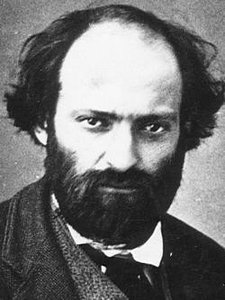
Paul Cézanne
1839 - 1906 , Francia
Dettagli rapidi
- Artisti Che Hanno Influenzato:
- Paul Gauguin
- Georges Seurat
- Artisti Influenzati:
- Pablo Picasso
- Henri Matisse
- Georges Braque
- Data Di Nascita: 19 gennaio 1839
- Luogo Di Nascita: Aix-en-Provence, Francia
- Movimento Artistico: Post-Impressionismo
- Nazionalità: Francese
- Nome Completo: Paul Cézanne
- Opere Notevoli:
- Lo stagno a Jas de Bouffan
- Ritratto di Émile Zola
- Bosco
- Grandi Bagnanti
Articoli correlati

I 25 Capolavori di Paul Cézanne: L'Architetto della Forma
Scopri i 25 capolavori di Paul Cézanne e la rivoluzione post-impressionista. Esplora la collezione su AllPaintingsStore.com.

Beyond Impressionism: Exploring the Emotional Depth of Post-Impressionist Painting
Explore the profound emotional depth & innovative techniques of Post-Impressionism with AllPaintingsStore. Discover Cézanne, Van Gogh, Gauguin & more – and their lasting impact on modern art.

Impressionismo: I 10 Capolavori che Rivoluzionarono la Pittura | AllPaintingsStore
Esplora i 10 capolavori dell'Impressionismo con AllPaintingsStore. Scopri Monet, Renoir e Degas: storia, tecnica e colori che hanno rivoluzionato l'arte. Stampe di alta qualità per la tua casa! Esplora la collezione online.
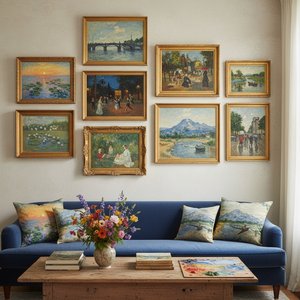
I 10 Capolavori Impressionisti che Hanno Rivoluzionato il Paesaggio Pittorico
Esplora i 10 capolavori impressionisti che hanno rivoluzionato il paesaggio pittorico! Monet, Renoir e altri maestri catturati in stampe su tela di alta qualità. Scopri la storia dell'arte e trova l'opera perfetta per arredare casa tua con AllPaintingsStore.com.

Beyond Impressionism: The Emotional Depth and Vibrant Evolution of Post-Impressionist Landscapes
Explore the profound evolution of Post-Impressionist landscapes. From Van Gogh's emotional brushwork to Cézanne's structural mastery, discover how these visionaries redefined art history through color and form in this expert guide for fine art enthusiasts.


