- Home

- Riproduzione di dipinto a olio
- Paul Cézanne
- Cottaages

 Preview
 Invia
Invia Condividi
 Dettagli opera

 Scarica
 Simili
 Radiografia
 Slideshow
Cottaages


 Scopri di più
Riproduzione a olio fatta a mano
Olio su tela dipinto a mano nelle tue dimensioni e con la tua cornice, realizzato su ordinazione dai nostri artisti. ( Switch to Print Switch to Image)




P118B $10

P118H $10

P118W $10

P438Z $10

P508JH $12

P508YH $12

P805H $10

P805Z $10

P919BZ $10

P919G $10

P919XJ $10

P959ZH $10

P968JZ $12

W106C $8

W218G $10

W218JH $8

W218Y $10

W307PJ $10

W316G $10

W316PJ $8

W316Y $10

W398PJ $8

W4111J $10

W500HY $15

W500JH $15

W692G $12

W849H $8

W940BG $15

W953PJ $8




Scegli tra le nostre dimensioni predefinite, che rispettano le proporzioni originali dell'opera d'arte.

È possibile inserire dimensioni personalizzate per adattare l'opera a una cornice o a uno spazio specifico. Se la dimensione selezionata non corrisponde alle proporzioni dell'immagine originale, provvederemo a ritagliare l'opera o a estendere il dipinto con elementi aggiuntivi dipinti a mano. Un mockup digitale ti sarà inviato per approvazione prima dell'inizio della produzione.
Si prega di notare che l'anteprima a schermo non riflette il ritaglio o l'estensione effettivi. Solo il mockup mostrerà accuratamente la composizione finale.
Sebbene siano disponibili dimensioni personalizzate, consigliamo di selezionare una dimensione dall'elenco predefinito per preservare le proporzioni originali.
Dopo l'ordine, il team di AllPaintingsStore.com invierà un'e-mail al cliente per le istruzioni e fornirà un'anteprima del mockup
Consegna in tutto il mondo () in 3/4 settimane anziché nelle normali 5 settimane. (29 Luglio). Nessun compromesso sulla qualità.

Spedizione espressa gratuita in tutto il mondo

Tela in lino di alta qualità

Assicurazione completa sulla spedizione

Garanzia di rimborso dei dazi doganali

Garanzia di fedeltà cromatica

Politica di reso entro 60 giorni (solo per difetti)

Garanzia di rimborso al 100%

Sconto per acquisti multipli
 L'opzione vetro è disponibile solo per dimensioni inferiori a 110 cm

Cottaages
Tecnica di riproduzione
Dimensioni riproduzione
-


Prezzo totale finale
$ 258
Descrizione dell'opera
A Moment Frozen in Time: Paul Cézanne’s “Cottaages”
Paul Cézanne's "Cottages" (circa 1885) isn’t merely a depiction of two humble houses; it’s a profound meditation on the essence of place, memory, and the very act of seeing. Painted in watercolor on cardboard – a medium he favored for its immediacy and luminous quality – the scene unfolds with an almost unsettling stillness, capturing a fleeting moment within the Provençal countryside near his beloved home at Jas de Bouffan. The houses themselves, simple structures with a characteristic red roof, are not rendered with photographic precision but rather imbued with Cézanne’s intensely personal vision. They stand as anchors in a landscape that feels both familiar and subtly transformed, inviting us to step into a world where observation becomes an act of creation.The Language of Form: Cézanne's Revolutionary Approach
Cézanne was a pivotal figure in the transition from Impressionism to modern art, and “Cottaages” exemplifies this shift dramatically. He moved beyond simply capturing the fleeting effects of light and color – a hallmark of his predecessors – and instead focused on distilling the underlying structure of objects. Notice how he breaks down the forms of the houses into geometric shapes: sharp angles, flattened planes, and overlapping volumes. This isn’t an attempt to create a realistic representation but rather to capture the *essence* of the buildings through their fundamental components. He employs a technique known as “alla prima,” applying paint directly to the surface in loose, expressive strokes, avoiding meticulous detail or preparatory sketches. The result is a vibrant, almost sculptural quality that feels both immediate and deeply considered. The use of watercolor lends itself beautifully to this approach, allowing for subtle gradations of color and a sense of atmospheric depth.Symbolism and the Provençal Landscape
The choice of subject matter – two modest cottages – is laden with symbolic weight. Cézanne frequently depicted rural scenes in Provence, his homeland, viewing them as a source of profound inspiration and spiritual connection. These humble dwellings represent more than just buildings; they embody a simpler way of life, rooted in tradition and the rhythms of nature. The placement of the houses within the landscape suggests a sense of harmony and balance, reflecting Cézanne’s belief that art should strive to capture the underlying order of the universe. The muted palette – dominated by ochres, greens, and blues – evokes the earthy tones of the Provençal countryside, creating a tranquil and contemplative atmosphere. The absence of strong diagonals or dramatic contrasts further reinforces this sense of serenity.A Bridge Between Worlds: Cézanne’s Legacy
“Cottaages” is often considered a crucial bridge between Impressionism and Cubism, movements that would profoundly shape the course of 20th-century art. Artists like Picasso and Matisse were deeply influenced by Cézanne's exploration of form and his radical departure from traditional perspective. His emphasis on geometric simplification paved the way for Cubist artists who sought to deconstruct objects into their fundamental shapes. Yet, “Cottaages” remains a distinctly personal work, reflecting Cézanne’s unique vision and his deep connection to the landscape he loved. It's a testament to the power of observation, the beauty of simplicity, and the enduring legacy of one of art history’s most innovative figures. Reproductions of this captivating artwork offer a window into Cézanne’s world, bringing a touch of Provençal tranquility to any space.Opere simili


Biografia dell'artista
vitae e influenze
paul cézanne, pittore post-impressionista francese, nacque il 19 gennaio 1839 ad Aix-en-Provence, Francia. La sua giovinezza fu segnata da un forte legame con la famiglia e la sua attività bancaria, che gli fornirono sicurezza finanziaria. Ciò gli permise di concentrarsi sulle sue aspirazioni artistiche senza il peso dello stress finanziario. les nabis, neo-impressionismo e simbolismo influenzarono le prime opere di Cézanne, caratterizzate dall'enfasi sulle forme geometriche e su una tavolozza cromatica limitata. Il suo interesse per le opere di paul gauguin e georges seurat ha ulteriormente consolidato il suo stile post-impressionista.stile artistico e tecniche
L'uso innovativo di Cézanne dei piani cromatici e delle piccole pennellate ripetitive creava campi complessi che esprimevano il suo intenso studio dei soggetti. Il suo approccio spesso esploratorio all’arte portò allo sviluppo di una nuova lingua pittorica, che enfatizzava la struttura sottostante degli oggetti in una composizione.- caratteristiche principali:
- forme geometriche e faccette
- tavolozza cromatica ridotta
- enfasi sull'essenza costruttiva del mondo fisico
- prospettiva multipla e simultaneità
- opere influenti:
- the pond at jas de bouffan (1880)
- portrait of emile zola (1866)
- bosco (1892)
- musei che espongono le opere di Cézanne:
- musée marmottan monet a Parigi, Francia
- the museum of fine arts a Houston, Stati Uniti
eredità e impatto
L'opera pionieristica di Cézanne nel post-impressionismo ha aperto la strada a vari movimenti d’avanguardia, tra cui il cubismo, il fauvismo e il surrealismo. La sua influenza può essere vista nelle opere di pablo picasso, henri matisse e georges braque. L'eredità di Cézanne continua a ispirare artisti ed appassionati d’arte, consolidando il suo posto come figura fondamentale nella storia dell’arte moderna.- movimenti artistici correlati:
- visualizza le opere di Cézanne:
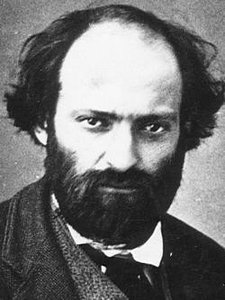
Paul Cézanne
1839 - 1906 , Francia
Dati rapidi
- Artisti Che Hanno Influenzato:
- Paul Gauguin
- Georges Seurat
- Artisti Influenzati:
- Pablo Picasso
- Henri Matisse
- Georges Braque
- Data Di Nascita: 19 gennaio 1839
- Luogo Di Nascita: Aix-en-Provence, Francia
- Movimento Artistico: Post-Impressionismo
- Nazionalità: Francese
- Nome Completo: Paul Cézanne
- Opere Notevoli:
- Lo stagno a Jas de Bouffan
- Ritratto di Émile Zola
- Bosco
- Grandi Bagnanti
Articoli correlati
I 10 Capolavori Post-Impressionisti che Hanno Rivoluzionato l'Arte e la Decorazione d'Interni
Esplora i 10 capolavori del Post-Impressionismo con Van Gogh, Monet e Cézanne. Scopri le storie dietro questi dipinti iconici e lasciati ispirare per la tua decorazione d'interni. Stampe su tela di alta qualità su !

Henri Moret: Capturing the Essence of Brittany's Light – A Study in Post-Impressionist Landscape Painting
Explore the captivating landscapes of Henri Moret, a master of Post-Impressionism. Discover his unique style, key works, and legacy in our expert guide. Learn about collecting Moret's art & its investment potential.

Impressionismo: I 10 Capolavori che Rivoluzionarono la Pittura | AllPaintingsStore
Esplora i 10 capolavori dell'Impressionismo con AllPaintingsStore. Scopri Monet, Renoir e Degas: storia, tecnica e colori che hanno rivoluzionato l'arte. Stampe di alta qualità per la tua casa! Esplora la collezione online.

Beyond Impressionism: Exploring the Emotional Depth of Post-Impressionist Painting
Explore the profound emotional depth & innovative techniques of Post-Impressionism with AllPaintingsStore. Discover Cézanne, Van Gogh, Gauguin & more – and their lasting impact on modern art.

Ernest Lawson: Un Pioniere dell'Impressionismo Americano e la Sua Visione del Paesaggio Rurale
Scopri la vita e l'opera di Ernest Lawson, pioniere dell'Impressionismo americano. Analisi approfondita del suo stile unico, i suoi dipinti più celebri e il contributo all'arte paesaggista americana.