

1877. Acrilico su tela. Metropolitan Museum of Art.

§ 1Dati del catalogo


§ 2Astratto
Descrizione del reperto
Paul Cézanne's Still Life è un capolavoro dell'Impressionismo post-impressionista che esplora strutture e colori con una maestria senza pari. Scopri l'opera simbolo di Cézanne al Metropolitan Museum.
 Espandi i dettagli
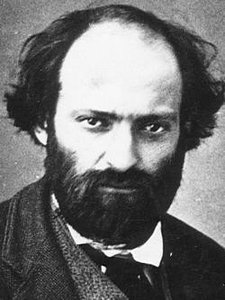
Biografia dell'artista
Esplora l'arte rivoluzionaria di Paul Cézanne (1839-1906), un maestro del Post-Impressionismo che ha colmato il divario tra Impressionismo e Cubismo. Scopri le sue forme geometriche, pennellate uniche, dipinti di natura morta e il suo impatto duraturo sull'arte moderna. #Cézanne #PostImpresionismo
§ 3Commento
Paul Cézanne: Still Life – A Bridge Between Impressionism and Cubism
Paul Cézanne’s Still Life isn't merely a depiction of fruit; it’s a manifesto of artistic innovation that fundamentally altered the course of modern art. Painted in 1877 and currently residing at the Metropolitan Museum of Art in New York—a testament to its enduring significance—this artwork embodies Cézanne’s groundbreaking approach to capturing reality, rejecting the fleeting impressions favored by Impressionists for a more deliberate exploration of form and structure. It stands as a pivotal moment between two artistic movements, demonstrating Cézanne's profound influence on artists like Matisse and Picasso.Cézanne’s technique—characterized by planes of color and small brushstrokes—was revolutionary in its time. Rather than attempting to reproduce the optical effects of light, he sought to represent the underlying geometric forms that constitute objects. Imagine peeling back layers of paint to reveal the essence of each apple, plum, peach, and pear – this is precisely what Cézanne achieved. The artist meticulously built up surfaces using these brushstrokes, creating a palpable sense of solidity and depth that defied conventional perspective.
Color Palette and Atmosphere
The painting’s palette—dominated by shades of green, brown, and red—creates an earthy atmosphere imbued with tranquility. These colors aren't chosen arbitrarily; they reflect Cézanne’s meticulous observation of nature and his desire to convey its inherent stability. The harmonious arrangement of the fruit on the tablecloth contributes to this feeling of serenity, mirroring Cézanne’s belief that art should aspire to capture not just what is seen but also what is felt—a profound connection with the natural world.Historical Context: Bridging Impressionism and Cubism
Cézanne's work emerged during a period of artistic ferment, as Impressionism was gradually yielding to Cubism. Artists like Cézanne were grappling with how to represent three-dimensional space on a two-dimensional surface—a challenge that demanded a radical rethinking of traditional artistic conventions. Still Life exemplifies this shift, foreshadowing the fragmentation and geometric abstraction championed by Picasso and Braque.
Influence on Modern Art
Cézanne’s influence extends far beyond Cubism. His insistence on simplifying forms and exploring underlying structure resonated with artists across Europe who sought to break free from academic constraints. He paved the way for a new aesthetic sensibility—one that prioritized formal considerations over mere visual illusion—leaving an indelible mark on the history of art.
Relevance in Contemporary Art Market
Today, Cézanne’s paintings are treasured for their artistic merit and historical significance. Still Life remains a captivating example of Cézanne's legacy—a reminder that true beauty lies in capturing the essence of reality through innovative technique and unwavering artistic vision.
Domande e risposte
Quale origine nazionale si cela dietro il Post-Impressionism di "Still Life"?
"Still Life" connette il movimento Post-Impressionism con Francia attraverso il luogo di nascita del suo autore.
Quali colori dominano "Still Life" di Paul Cézanne?
"Still Life" è caratterizzato da una tavolozza Toni della terra dominata dal Verde ftalocianina (#2d2113).
Quale emozione trasmette l'opera del Post-Impressionism "Still Life"?
"Still Life" trasmette un tono emotivo Contemplativo all'interno del movimento Post-Impressionism.


 Passa alle stampe


 Per opere d'arte o riproduzioni con un lato superiore a 105 cm (circa 41 pollici), la cornice verrà spedita in forma di kit smontato. Questo metodo garantisce una consegna sicura e previene danni durante il trasporto.


