


 Anteprima in scala reale
 Invia
Invia Condividi
 Dettagli opera
 Guida
Guida

 Scarica
 Simili
 Radiografia
 Slideshow
 Statistiche
A gate
 Acrylic
- WallArt
- Abstract Expressionism
 1938
1938 44.0 x 60.0 cm
 Espandi i dettagli
Giclée / Stampe d'arte
Stampa giclée o su tela di qualità museale, con produzione rapida e diverse opzioni di finitura. ( Acquista il dipinto realizzato a mano Passa all'immagine digitale)




P118B €10

P118H €10

P118W €10

P438Z €10

P508JH €12

P508YH €12

P805H €10

P805Z €10

P919BZ €10

P919G €10

P919XJ €10

P959ZH €10

P968JZ €12

W106C €8

W218G €10

W218JH €8

W218Y €10

W307PJ €10

W316G €10

W316PJ €8

W316Y €10

W398PJ €8

W4111J €10

W500HY €15

W500JH €15

W692G €12

W849H €8

W940BG €15

W953PJ €8




Scegli tra le nostre dimensioni predefinite, che rispettano le proporzioni originali dell'opera d'arte.

Inserisci la larghezza e l'altezza desiderate, per adattarle alla tua cornice o alla tua parete. Una stampa può essere solo ritagliata, mai resa più grande dell'immagine originale; pertanto, un formato con una forma differente comporterà la perdita di una parte dell'opera. Ti invieremo un mockup digitale da approvare prima di procedere con la stampa. L'immagine mostrata in questa pagina non rappresenta il ritaglio reale — solo il mockup lo mostra.
Consegna in tutto il mondo () in 2 settimane invece delle normali 4/5 settimane. (25 Ottobre)

Spedizione espressa gratuita in tutto il mondo

Tela in lino di alta qualità

Assicurazione completa sulla spedizione

Garanzia di rimborso dei dazi doganali

Garanzia di fedeltà cromatica assoluta

Politica di reso entro 100 giorni (solo per difetti di fabbricazione)

Garanzia di rimborso al 100%

Offerta per acquisti multipli
 L'opzione vetro è disponibile solo per dimensioni inferiori a 110 cm

A gate
Giclée / Stampe d'arte
Dimensioni riproduzione
-


Prezzo finale calcolato
€ 56
A Gate – Paul Klee’s Exploration of Lunar Resonance
Paul Klee's "A Gate," painted in 1938, transcends mere depiction; it embodies a masterful synthesis of artistic influences and profound contemplation on themes of solitude, harmony, and the cyclical nature of existence. This striking artwork captures a simple yet powerfully evocative scene – a stone gate framed against a luminous moonlit sky—yet within its unassuming exterior lies a complex tapestry of artistic innovation and symbolic resonance.- Subject Matter: The painting presents a straightforward visual narrative: two figures standing beside a gate, accompanied by a chair positioned subtly in the foreground. However, this apparent simplicity serves as a springboard for deeper interpretation.
- Style & Technique: Klee’s signature style—characterized by spontaneous gesture and geometric abstraction—is evident throughout “A Gate.” He employs a technique rooted in watercolor and gouache on paper, layering washes of color to create an ethereal atmosphere. The artist's meticulous attention to detail is balanced by a deliberate disregard for realistic representation, prioritizing instead the conveyance of emotion and intuition.
Historical Context – Weimar Republic’s Artistic Spirit
“A Gate” was created during the Weimar Republic, Germany’s turbulent period following World War I. This era witnessed a flourishing of artistic experimentation, fueled by disillusionment with traditional values and an embrace of avant-garde movements like Surrealism and Expressionism. Klee's work reflects this spirit of intellectual ferment, aligning him with fellow artists who sought to express inner psychological states rather than simply mirroring the external world. The influence of Surrealist ideas—particularly automatism—can be discerned in Klee’s method of working, where he aimed to bypass conscious thought and tap into subconscious impulses.Symbolism – Lunar Cycles and Spiritual Journey
The moon dominating the composition is arguably the artwork's most significant symbolic element. Throughout history, lunar cycles have been associated with notions of transformation, fertility, and introspection—themes central to Klee’s artistic vision. The reflection of moonlight on the ground beneath the gate suggests a connection between earthly existence and celestial realms, hinting at an ongoing process of renewal and spiritual exploration. Furthermore, the two figures standing beside the gate could represent individuals embarking on a personal pilgrimage or confronting challenges with resilience.Emotional Impact – Tranquility Amidst Uncertainty
Despite the anxieties prevalent during its creation, “A Gate” exudes an aura of serene contemplation. The muted palette—primarily blues and yellows—contributes to this feeling of tranquility, while Klee’s delicate brushstrokes convey a sense of vulnerability and sensitivity. Ultimately, the painting invites viewers to pause and consider the beauty inherent in simplicity, reminding us that profound meaning can be found within seemingly ordinary moments. It's a piece designed not just to observe but to feel—a testament to Klee’s ability to distill complex emotions into visually arresting forms.Domande e risposte
Quanto è marcato il contrasto in "A gate" di Paul Klee?
Il contrasto chiaroscurale di "A gate" è registrato come Gentle. Il contrasto descrive quanto marcata sia la differenza tra le aree chiare e quelle scure.
Cosa rappresenta "A gate" di Paul Klee?
"A gate" di Paul Klee raffigura: gate, moonlight, landscape, figures, chair, swiss art, geometric.
Qual è la dimensione di stampa consigliata per "A gate" di Paul Klee?
Per "A gate", si consiglia un formato di stampa Large. Sono disponibili altri formati con le stesse proporzioni.
Opere simili


Biografia dell'artista
Paul Klee: Una Vita di Colore e Forma
Primi Anni e Formazione
- Paul Klee nacque il 18 dicembre 1879 a Münchenbuchsee, in Svizzera.
- Suo padre era un insegnante di musica tedesco e sua madre una cantante svizzera, favorendo fin da piccolo un apprezzamento per le arti.
- Klee inizialmente studiò disegno ma alla fine abbandonò la rappresentazione realistica a favore di forme più espressive.
- Studiò all'Accademia delle Arti Visive di Monaco tra il 1898 e il 1901.
Sviluppo Artistico e Influenze
- Le opere giovanili di Klee mostrano influenze da Art Nouveau e Simbolismo, ma iniziò rapidamente a sviluppare il suo stile unico.
- Un viaggio fondamentale in Tunisia nel 1914 ebbe un profondo impatto sul suo uso del colore e dell'astrazione – la luce e l'atmosfera ispirarono uno spostamento verso palette più audaci.
- Fu profondamente influenzato da movimenti come l'Espressionismo, il Cubismo e il Surrealismo, sebbene non si sia mai pienamente allineato a nessuno di essi.
- Il suo interesse per la musica informò fortemente il suo approccio artistico, spesso paragonando la pittura alla composizione di brani musicali.
Gli Anni della Bauhaus e Oltre
- Dal 1931 al 1933, Klee insegnò alla influente scuola d'arte, design e architettura Bauhaus insieme a Wassily Kandinsky.
- Questo periodo vide un fiorire del suo lavoro astratto, esplorando la teoria del colore e le relazioni formali.
- Con l'ascesa del Nazismo in Germania, Klee fu licenziato dalla Bauhaus nel 1933 a causa della sua “arte degenerata”.
- Tornò in Svizzera e continuò a dipingere, ma la sua salute peggiorò durante questo periodo.
Temi Principali e Stile Artistico
- L'opera di Klee è caratterizzata da un'esplorazione giocosa ma profonda del colore, della linea e della forma.
- Spesso impiegava immagini infantili e composizioni stravaganti, impregnate di significato simbolico.
- Temi ricorrenti includono giardini, paesaggi, ritratti e arrangiamenti astratti.
- I suoi “Quaderni di Paul Klee”, pubblicati postumi, rivelano le sue estese indagini teoriche sul colore e il design.
Eredità e Significato Storico
- Paul Klee morì il 29 giugno 1940 a Muralto, in Svizzera.
- È considerato uno degli artisti più importanti del XX secolo, colmando il divario tra arte figurativa e astratta.
- Il suo uso innovativo del colore e le sue opere teoriche continuano a ispirare artisti e designer oggi.
- L'opera di Klee rimane molto richiesta dai collezionisti e dai musei in tutto il mondo, consolidando il suo posto come figura iconica nella storia dell'arte moderna.
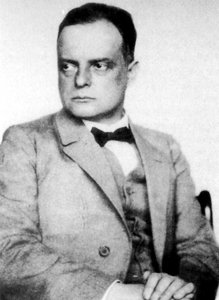
Paul Klee
1879 - 1940 , Svizzera
Dettagli rapidi
- Data Di Morte: 29 giugno 1940
- Data Di Nascita: 18 dicembre 1879
- Luogo Di Nascita: Münchenbuchsee, Svizzera
- Movimento Artistico:
- Espressionismo
- Cubismo
- Surrealismo
- Nazionalità: Svizzero-tedesco
- Nome Completo: Paul Klee
- Opere Notevoli:
- Hamamet
- Festival dei Chiari di Luna
- Nelle case di Saint Germain
- Ritmi Rossoverde e Violaviallo
- Nuvole su Bor
- Contemplazione
- Siblings
- Personaggio da fiaba
Articoli correlati

Neo-Abstract Art Trend Forecast: High-Impact Geometric Compositions for Contemporary Commercial Interiors
Elevate commercial interiors with Neo-Abstract art. Discover how high-impact geometric compositions and custom oil reproductions provide scalable, sophisticated design solutions for hotels, restaurants, and corporate spaces. Expert procurement for large-scale hospitality projects.


