


 Anteprima in scala reale
 Invia
Invia Condividi
 Dettagli opera
 Guida
Guida

 Scarica
 Simili
 Radiografia
 Slideshow
 Domande e risposte
 Statistiche
Donna bianca


 Espandi i dettagli
Giclée / Stampe d'arte
Stampa giclée o su tela di qualità museale, con produzione rapida e diverse opzioni di finitura. ( Acquista il dipinto realizzato a mano Passa all'immagine digitale)




P118B €10

P118H €10

P118W €10

P438Z €10

P508JH €12

P508YH €12

P805H €10

P805Z €10

P919BZ €10

P919G €10

P919XJ €10

P959ZH €10

P968JZ €12

W106C €8

W218G €10

W218JH €8

W218Y €10

W307PJ €10

W316G €10

W316PJ €8

W316Y €10

W398PJ €8

W4111J €10

W500HY €15

W500JH €15

W692G €12

W849H €8

W940BG €15

W953PJ €8




Scegli tra le nostre dimensioni predefinite, che rispettano le proporzioni originali dell'opera d'arte.

Inserisci la larghezza e l'altezza desiderate, per adattarle alla tua cornice o alla tua parete. Una stampa può essere solo ritagliata, mai resa più grande dell'immagine originale; pertanto, un formato con una forma differente comporterà la perdita di una parte dell'opera. Ti invieremo un mockup digitale da approvare prima di procedere con la stampa. L'immagine mostrata in questa pagina non rappresenta il ritaglio reale — solo il mockup lo mostra.
Consegna in tutto il mondo () in 2 settimane invece delle normali 4/5 settimane. (4 Novembre)

Spedizione espressa gratuita in tutto il mondo

Tela in lino di alta qualità

Assicurazione completa sulla spedizione

Garanzia di rimborso dei dazi doganali

Garanzia di fedeltà cromatica assoluta

Politica di reso entro 100 giorni (solo per difetti di fabbricazione)

Garanzia di rimborso al 100%

Offerta per acquisti multipli
 L'opzione vetro è disponibile solo per dimensioni inferiori a 110 cm

Donna bianca
Giclée / Stampe d'arte
Dimensioni riproduzione
-


Prezzo finale calcolato
€ 58
Renoir’s Serene Reflection: Exploring “Woman in White”
Pierre-Auguste Renoir's Woman in White stands as a cornerstone of Impressionist art—a masterpiece that transcends mere visual representation to capture the very essence of tranquility and intimacy. Painted in 1916 during a period marked by artistic experimentation and societal change, this portrait delves into themes of femininity, contemplation, and the subtle interplay between light and color, offering viewers an experience far richer than a simple depiction.Compositional Harmony: Light, Gesture, and Domestic Space
Renoir meticulously crafted his composition to convey a sense of calm repose. The central figure—a woman—rests her head gently on her hand, conveying vulnerability and introspection. This posture is juxtaposed against the backdrop of a modestly furnished interior: two chairs positioned strategically to frame the scene, and a dining table adorned with a vase – elements that contribute to the painting’s overall atmosphere of domestic comfort. Renoir skillfully uses these architectural details not just as setting but as active participants in shaping the narrative of stillness.The Dance of Light and Color: Impressionist Technique
Renoir's signature Impressionist technique—characterized by short, broken brushstrokes—is vividly apparent throughout “Woman in White.” He employs a masterful manipulation of light to illuminate the woman’s face and dress, creating an ethereal glow that softens edges and imbues the scene with warmth. The artist’s deliberate layering of colors—primarily muted whites and creams—harmoniously blends together, mirroring the quiet beauty of the subject matter. These brushstrokes aren't merely descriptive; they embody Renoir’s belief in capturing fleeting moments of perception—the way light transforms surfaces and evokes emotion.Influences Beyond Impressionism: A Dialogue with Realism
While firmly rooted in Impressionist principles, “Woman in White” reveals subtle nods to influences from earlier artistic movements, notably Realism. Like Édouard Manet’s groundbreaking canvases, Renoir prioritizes capturing the immediacy of experience—the palpable presence of a human subject within a recognizable environment. This approach distinguishes itself from the idealized depictions prevalent in academic painting of the time, grounding the artwork in observable reality while retaining an undeniable aesthetic grace.Symbolism and Emotional Resonance: A Portrait of Quiet Beauty
Beyond its technical brilliance, “Woman in White” resonates with profound symbolic meaning. The woman’s posture—head resting on hand—represents contemplation and vulnerability—themes frequently explored by Impressionist artists seeking to express the complexities of human emotion. Furthermore, the luminous white dress symbolizes purity and innocence, reinforcing Renoir's intention to portray a figure embodying serenity and grace. Viewing this artwork evokes feelings of peace and nostalgia—a testament to Renoir’s ability to transform ordinary scenes into enduring symbols of beauty and contemplation.Museum Collections: Witnessing Artistic Legacy
The Des Moines Art Center proudly houses an impressive collection of modern art, including works by luminaries like John Singer Sargent. Its establishment in 1916 underscores the importance of preserving artistic heritage—a celebration of Impressionist artistry that continues to inspire audiences worldwide. Exploring Renoir’s “Woman in White” offers a captivating glimpse into the artistic spirit of its era and reaffirms its place as an unforgettable masterpiece.Domande e risposte
È disponibile una guida per "Donna bianca" di Pierre-Auguste Renoir?
È disponibile una pagina Schede didattiche per "Donna bianca" di Pierre-Auguste Renoir: una scheda informativa stampabile sull'opera d'arte, pensata per studenti e per l'uso didattico in classe.
L'immagine di "Donna bianca" di Pierre-Auguste Renoir può essere riprodotta liberamente?
Per quanto riguarda il copyright, "Donna bianca" è di pubblico dominio - il copyright è scaduto.
È possibile visualizzare "Donna bianca" di Pierre-Auguste Renoir sotto diverse illuminazioni?
"Donna bianca" può essere esaminata strato dopo strato nella pagina Raggi X dell'opera, un visualizzatore ispirato al banco luminoso di un restauratore che offre undici letture ottiche dell'immagine.
Opere simili


Biografia dell'artista
vitae e carriera
pierre-auguste renoir, un artista francese fondamentale, nacque il 25 febbraio 1841 a Limoges, Francia. Ha svolto un ruolo cruciale nel plasmare il movimento impressionista, rinomato per la sua luce vibrante e i colori saturi. L'opera di Renoir celebrava la bellezza, in particolare la sensualità femminile, collocandolo in una linea di artisti che si estende da Rubens a Watteau.eredità artistica
L'eredità di Renoir si estese oltre la sua tela, poiché era il capofamiglia di una famiglia dove l'arte fioriva in varie forme. I suoi figli, pierre renoir (1885–1952), il filmmaker jean renoir (1894–1979) e l'artista ceramista claude renoir (1901–1969), hanno dato ognuno un contributo significativo nei loro campi. Suo nipote, il filmmaker claude renoir (1913–1993), ha ulteriormente promosso l'eredità artistica della famiglia.opere notevoli e musei
* dance at bougival, un'opera pittorica degna di nota di Renoir, mostra la sua maestria nel catturare l'essenza dell'arte impressionista. * Il musée des collettes, situato a Cagnes-sur-Mer, Francia, è una destinazione imperdibile per gli amanti dell'arte. Questo museo, un tempo la casa di Pierre-Auguste Renoir, testimonia la sua vita e il suo lavoro, ospitando quindici dei suoi dipinti. * Il musée maurice denis, un'altra gemma nascosta in Francia, presenta una collezione impressionante di dipinti post-impressionisti francesi del tardo XIX e inizio XX secolo.esplora l'arte di Renoir con AllPaintingsStore
- Scopri il fascino del musée des collettes (Francia) e della sua arte impressionista su AllPaintingsStore: [https://AllPaintingsStore.com/@@/a@d3aupf](https://AllPaintingsStore.com/@@/a@d3aupf)
- Esplora le meraviglie del musée maurice denis (Francia) con AllPaintingsStore: /it/art/show/art-d3aue3-it/
- Visualizza i dipinti di Renoir, tra cui dance at bougival, su AllPaintingsStore: [https://AllPaintingsStore.com/@/pierre-auguste renoir](https://AllPaintingsStore.com/@/pierre-auguste%20renoir)
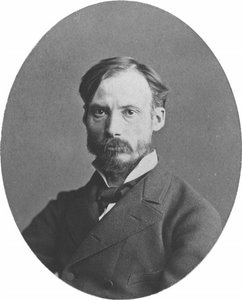
Pierre-Auguste Renoir
1841 - 1919 , Francia
Dettagli rapidi
- Artisti Influenti:
- Rubens
- Watteau
- Camille Pissarro
- Édouard Manet
- Artisti Influenzati:
- Pierre Renoir
- Jean Renoir
- Claude Renoir
- Data Di Morte: 3 dicembre 1919
- Data Di Nascita: 25 febbraio 1841
- Luogo Di Nascita: Limoges, Francia
- Movimento Artistico: Impressionismo
- Nazionalità: Francese
- Nome Completo: Pierre-Auguste Renoir
- Opere Notevoli:
- Ballo al Moulin de la Galette
- Pranzo sulla barca
- Dopo il bagno
- Le Grandi Bagnanti
- Due sorelle (Sul Balcone)
Articoli correlati
I 10 Capolavori Impressionisti che Hanno Rivoluzionato la Pittura | AllPaintingsStore
Esplora i 10 capolavori impressionisti di Monet, Renoir e Degas che hanno rivoluzionato la pittura. Scopri storie, tecniche e colori iconici. Trova riproduzioni d'arte di alta qualità per decorare casa su AllPaintingsStore.com!

I Capolavori del DIA di Detroit: 25 Opere d'Arte Indimenticabili per la Tua Casa
Esplora i 25 capolavori del Detroit Institute of Arts! Van Gogh, Monet, Rembrandt e altri maestri. Scopri storie, tecniche e colori che hanno reso queste opere immortali. Trova riproduzioni artistiche di alta qualità per la tua casa su AllPaintingsStore.com.

The Luminous World of Pierre-Auguste Renoir: An Exploration of Impressionism's Sensuous Embrace
Explore the captivating world of Pierre-Auguste Renoir! Discover his life, iconic Impressionist masterpieces & enduring legacy with our expert guide. High-quality reproductions available.

I 25 Capolavori di Pierre-Auguste Renoir: L'Essenza dell'Impressionismo
Scopri i 25 capolavori di Renoir e la magia dell'Impressionismo. Esplora la collezione su AllPaintingsStore.com.

Bianco Sublime: I 10 Dipinti Più Famosi Dominati dal Colore Bianco | .it
Esplora i 10 dipinti più celebri dominati dal bianco, da Monet a Malevich. Scopri la storia, le tecniche e l'impatto di queste opere iconiche. Trova stampe su tela e riproduzioni d'arte di alta qualità per decorare casa con stile su .


