


 Anteprima in scala reale
 Condividi
 Condividi
 Dettagli
 Guida
Guida

 Scarica
 Articoli simili
 Radiografia
 Slideshow
 Statistiche
A LA VILLA FARNESE LE MOULIN


 Leggi tutto
Giclée / Stampe d'arte
Stampa giclée o su tela di qualità museale, con produzione rapida e diverse opzioni di finitura. ( Ordina la riproduzione dipinta a mano Passa all'immagine digitale)




P118B $10

P118H $10

P118W $10

P438Z $10

P508JH $12

P508YH $12

P805H $10

P805Z $10

P919BZ $10

P919G $10

P919XJ $10

P959ZH $10

P968JZ $12

W106C $8

W218G $10

W218JH $8

W218Y $10

W307PJ $10

W316G $10

W316PJ $8

W316Y $10

W398PJ $8

W4111J $10

W500HY $15

W500JH $15

W692G $12

W849H $8

W940BG $15

W953PJ $8




Scegli tra le nostre dimensioni predefinite, che rispettano le proporzioni originali dell'opera d'arte.

È possibile inserire dimensioni personalizzate per adattare l'opera a una cornice o a uno spazio specifico. Se la dimensione selezionata non corrisponde alle proporzioni dell'immagine originale, procederemo al ritaglio dell'opera o all'estensione dell'immagine con un bordo specchiato o a tinta unita. Un mockup digitale ti verrà inviato per approvazione prima dell'inizio della produzione.
Si prega di notare che l'anteprima a schermo non riflette il ritaglio o l'estensione effettivi. Solo il mockup mostrerà accuratamente la composizione finale.
Sebbene siano disponibili dimensioni personalizzate, si raccomanda di selezionare una dimensione dall'elenco predefinito per preservare le proporzioni originali.
Consegna in tutto il mondo () in 2 settimane invece delle normali 4/5 settimane. (21 Settembre)

Spedizione espressa gratuita in tutto il mondo

Tela in lino di alta qualità

Assicurazione completa sulla spedizione

Garanzia di rimborso dei dazi doganali

Garanzia di perfetta fedeltà cromatica

Politica di reso entro 100 giorni (solo per difetti di fabbricazione)

Garanzia di rimborso al 100%

Sconto per acquisti multipli
 L'opzione vetro è disponibile solo per dimensioni inferiori a 110 cm

A LA VILLA FARNESE LE MOULIN
Giclée / Stampe d'arte
Dimensioni della riproduzione
-


Prezzo totale
$ 64
The Essence of a Moment: Picasso’s “A La Villa Farnese Le Moulin”
Pierre-Henri de Valenciennes' "A La Villa Farnese Le Moulin" isn’t merely a depiction of a picturesque Italian villa; it’s a carefully constructed meditation on light, space, and the fleeting beauty of nature. Painted around 1782-1784 during his time in Rome, this work embodies the burgeoning spirit of *plein air* painting – a revolutionary approach that prioritized direct observation and capturing the immediate effects of atmospheric conditions. The scene unfolds within a hazy, dreamlike landscape dominated by the imposing silhouette of Villa Farnese, perched dramatically atop a rolling hill overlooking a tranquil body of water. It’s a study in restraint, favoring subtle tonal shifts and suggestive brushstrokes over precise detail, reflecting Valenciennes' commitment to conveying an emotional response rather than a photographic representation.
The painting immediately draws the eye to the villa itself – a monumental structure rendered with a confident yet understated hand. Its rectangular form anchors the composition, while the surrounding landscape—a tapestry of muted greens, browns, and grays—creates a sense of depth and atmospheric perspective. Notice how Valenciennes employs loose, gestural brushstrokes to define the foliage, suggesting movement and vitality without resorting to meticulous rendering. The water’s surface is rendered with shimmering highlights, hinting at reflected light and adding a vital element of dynamism to the scene. The overall effect is one of serene contemplation, inviting the viewer to lose themselves in the tranquility of the Italian countryside.
A Pioneer of *Plein Air* – Valenciennes' Artistic Philosophy
Valenciennes’ work stands as a pivotal moment in art history. He was a key figure in advocating for painting directly from nature, a practice that challenged the established conventions of academic art. His treatise, “Reflections and Advice to a Student on Painting, Particularly on Landscape,” articulated his belief that capturing the *essence* of a scene—its light, color, and atmosphere—was paramount. This philosophy shifted the focus away from idealized representations and towards a more subjective and immediate engagement with the natural world. He wasn’t interested in creating a perfect copy; he sought to distill the feeling of being present within that specific landscape.
The painting's composition subtly reinforces this concept. Valenciennes deliberately avoids overly dramatic contrasts or elaborate details, instead opting for a harmonious balance between form and atmosphere. The villa, while substantial, is presented as part of a larger, interconnected system—a participant in the unfolding drama of light and shadow. This approach reflects Valenciennes’ broader artistic vision: to capture not just what he *saw*, but what he *felt* about what he saw.
Symbolism and Emotional Resonance
Beyond its technical merits, “A La Villa Farnese Le Moulin” resonates with a quiet sense of nostalgia and timeless beauty. The villa itself—a symbol of power, history, and perhaps even aristocratic privilege—stands in stark contrast to the surrounding natural world, suggesting a tension between human ambition and the enduring forces of nature. The hazy atmosphere evokes a feeling of distance and contemplation, inviting the viewer to reflect on the passage of time and the ephemeral nature of beauty.
Furthermore, the painting’s muted color palette contributes significantly to its emotional impact. The earth tones—greens, browns, and grays—create a sense of grounding and stability, while subtle variations in hue suggest the shifting qualities of light and shadow. The overall effect is one of understated elegance and profound serenity – a testament to Valenciennes' ability to capture the soul of a landscape with remarkable sensitivity.
Reproductions: Bringing Valenciennes’ Vision Home
Today, high-quality reproductions of “A La Villa Farnese Le Moulin” offer an accessible way to experience the beauty and artistry of this seminal work. Whether displayed in a grand salon or a cozy study, a faithful reproduction can evoke the same sense of tranquility and contemplation that characterized Valenciennes’ original painting. Consider commissioning a hand-painted replica – a unique piece of art that captures the spirit of this remarkable landscape while preserving its timeless appeal.
Opere correlate


Biografia dell'artista
Pierre Henri de Valenciennes
Pierre Henri de Valenciennes (December 6, 1750 – February 16, 1819) was a French painter who stands as a pivotal figure in the history of landscape painting and artistic theory. His contribution to elevating en plein air painting—the practice of painting outdoors directly from nature—established him as one of the foremost artists of his era and profoundly impacted subsequent generations of painters. Despite limited biographical details, Valenciennes’s legacy rests on his groundbreaking ideas and undeniable influence on prominent contemporaries.Early Life and Training
Information regarding Valenciennes's formative years remains scarce. Precise birth records are unavailable, yet he emerged from Toulouse, France, a region known for its artistic traditions. Details about his early education are equally elusive, highlighting the challenges faced in reconstructing the lives of artists during the Enlightenment period. However, it is documented that Valenciennes undertook extensive studies in Rome between 1778 and 1782—a crucible of artistic innovation where he immersed himself in the observation of natural landscapes, laying the groundwork for his distinctive approach to painting.Contributions to En Plein Air Painting
Valenciennes’s most enduring achievement was arguably his championing of en plein air painting. Recognizing its potential to capture the ephemeral beauty of light and atmosphere—a concept largely unexplored by artists at the time—he articulated a revolutionary theory in his 1800 treatise, *Reflections and Advice to a Student on Painting*, particularly on landscape. This treatise proposed that an artist should paint outdoors while observing the scene before him, meticulously documenting its subtle variations. Valenciennes’s conviction that this method allowed for a more truthful representation of nature resonated deeply with fellow painters and cemented his position as a pioneer in artistic technique. He wasn't merely painting; he was striving to capture the very essence of the environment.Notable Students and Influence
Valenciennes exerted considerable influence on several notable artists who adopted his method. Jean Victor Bertin, Achille Etna Michallon, Louis Étienne Watelet, and Louis François Lejeune were among those who benefited from Valenciennes’s guidance, incorporating his principles into their own artistic endeavors. Furthermore, Valenciennes's impact extended beyond individual pupils; he served as the mentor of Pierre Prévost, the visionary creator of France’s first panorama—a monumental theatrical spectacle designed to recreate landscapes in immersive detail. This collaborative effort underscored Valenciennes’s commitment to pushing the boundaries of artistic expression and disseminating his ideas on a grand scale.Later Life and Death
Valenciennes continued to practice painting until his death in Paris on February 16, 1819. He was interred in Père Lachaise Cemetery—a Parisian necropolis renowned for its illustrious residents—a fitting memorial to an artist who had achieved considerable acclaim during his lifetime. His artistic output included captivating landscapes that continue to inspire admiration and scholarly study today.Legacy
Pierre Henri de Valenciennes’s legacy transcends mere stylistic innovation; he fundamentally reshaped the understanding of landscape painting and established a new standard for artistic observation. Through his treatise, *Reflections and Advice to a Student on Painting*, he instilled in artists the importance of direct engagement with nature—a principle that persists in contemporary art practice. His influence can be discerned in the works of subsequent painters who embraced en plein air techniques, ensuring that Valenciennes’s vision would endure for centuries to come. He remains an exemplar of artistic integrity and a testament to the transformative power of embracing natural beauty as inspiration.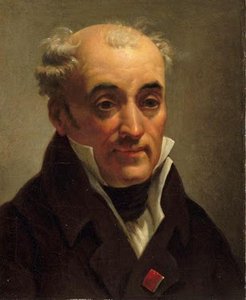
Pierre Henri Valenciennes
1750 - 1819 , Francia
Informazioni rapide
- Artistic Movement Or Style: En plein air painting
- Artists Or Movements Influenced By This Artist: ['Claude Lorrain']
- Artists Who Influenced This Artist:
- Jean Victor Bertin
- Achille Etna Michallon
- Date Of Birth: Dicembre 6, 1750
- Date Of Death: Febbraio 16, 1819
- Full Name: Pierre Henri de Valenciennes
- Nationality: Francese
- Notable Artworks:
- Villaggio di Nemi
- A LA Villa Borghese Chemin borde d'arbres
- Place Of Birth: Tolosa, Francia
Articoli correlati

Baroque Classicism: A Professional Guide to Integrating Timeless Grandeur into Luxury Hotel Interiors
Elevate luxury hospitality with Baroque Classicism. Our guide for hotel designers explores integrating grand, classical oil reproductions into professional interiors. Discover efficient bulk procurement, custom sizing, and large-format murals to create timeless, high-impact spaces.

