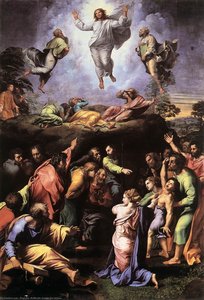
Anteprima in scala reale
 Invia
Invia Condividi
 Dettagli opera
 Guida
Guida

 Scarica
 Simili
 Radiografia
 Slideshow
 Statistiche
8


 Espandi i dettagli
Riproduzione a olio fatta a mano
Olio su tela dipinto a mano nelle tue dimensioni e con la tua cornice, realizzato su ordinazione dai nostri artisti. ( Passa alle stampe Passa all'immagine digitale)




P118B €10

P118H €10

P118W €10

P438Z €10

P508JH €12

P508YH €12

P805H €10

P805Z €10

P919BZ €10

P919G €10

P919XJ €10

P959ZH €10

P968JZ €12

W106C €8

W218G €10

W218JH €8

W218Y €10

W307PJ €10

W316G €10

W316PJ €8

W316Y €10

W398PJ €8

W4111J €10

W500HY €15

W500JH €15

W692G €12

W849H €8

W940BG €15

W953PJ €8




Scegli tra le nostre dimensioni predefinite, che rispettano le proporzioni originali dell'opera d'arte.

Inserisci la larghezza e l'altezza desiderate, per adattarle alla tua cornice o alla tua parete. Trattandosi di un'opera dipinta a mano, in caso di dimensioni con un formato differente, l'artista può estendere leggermente il dipinto oltre i bordi dell'immagine o ritagliare una piccola parte — la scelta spetta a te. Ti invieremo un mockup digitale da approvare prima che la realizzazione abbia inizio. L'immagine mostrata in questa pagina non rappresenta il risultato finale — solo il mockup lo fa.
Dopo l'ordine, il team di AllPaintingsStore.com contatterà il cliente via e-mail per ricevere le istruzioni e fornirà un'anteprima del mockup
Consegna in tutto il mondo () in 3/4 settimane anziché nelle normali 5 settimane. (27 Ottobre). Nessun compromesso sulla qualità.

Spedizione espressa gratuita in tutto il mondo

Tela in lino di alta qualità

Assicurazione completa sulla spedizione

Garanzia di rimborso dei dazi doganali

Garanzia di fedeltà cromatica assoluta

Politica di reso entro 100 giorni (solo per difetti di fabbricazione)

Garanzia di rimborso al 100%

Offerta per acquisti multipli
 L'opzione vetro è disponibile solo per dimensioni inferiori a 110 cm

8
Tecnica di riproduzione
Dimensioni riproduzione
-


Prezzo finale calcolato
€ 227
Stanze Vaticane - The School of Athens: A Renaissance Dialogue on Wisdom and Beauty
Raphael’s “School of Athens,” a breathtaking fresco residing within the Vatican’s Stanza della Segnatura, isn't merely a depiction of philosophers; it’s a vibrant testament to the humanist ideals that defined the High Renaissance. Completed between 1509 and 1511, this monumental work transcends its physical space, inviting viewers into a timeless conversation about knowledge, reason, and the pursuit of truth. The scene unfolds within an architectural setting subtly inspired by Bramante’s ambitious plans for rebuilding St. Peter's Basilica – a nod to the burgeoning grandeur of Rome itself – creating a backdrop that simultaneously anchors the composition in reality and elevates it towards a realm of intellectual aspiration.
At the heart of the fresco stand Plato and Aristotle, their figures rendered with an exquisite balance of realism and idealized beauty. Plato, gesturing upwards toward the heavens, embodies the pursuit of abstract ideals – his flowing robes and contemplative posture suggesting a detachment from the earthly world. Opposite him, Aristotle, grounded and engaged in a lively debate, represents the emphasis on empirical observation and the study of nature. This dynamic pairing immediately establishes the core tension within Renaissance philosophy: the conflict between idealism and realism, a theme that resonates powerfully throughout the composition. The surrounding figures – Pythagoras, Heraclitus, Euclid, Socrates, and many others – are not simply historical footnotes; they’re carefully chosen representatives of diverse schools of thought, each contributing to a rich tapestry of intellectual discourse.
Raphael's mastery of technique is immediately apparent in the fresco’s astonishing detail. The figures are rendered with remarkable anatomical accuracy, yet imbued with an almost ethereal quality. Note the subtle gradations of color, the delicate modeling of drapery, and the precise rendering of architectural elements – all hallmarks of Raphael’s refined style. The use of *chiaroscuro*, the dramatic interplay of light and shadow, adds depth and volume to the scene, drawing the viewer's eye across the complex arrangement of figures. The perspective is meticulously executed, creating a convincing illusion of space and contributing to the overall sense of realism. It’s important to note that Raphael learned this technique from Leonardo da Vinci, who had been experimenting with linear perspective in his paintings.
Beyond its artistic merits, “The School of Athens” carries profound symbolic weight. The fresco is a celebration of classical Greek philosophy and science, which were experiencing a revival during the Renaissance – a period marked by renewed interest in ancient texts and ideas. By placing these figures within a contemporary setting, Raphael suggests that the wisdom of antiquity remains relevant to modern thought. The inclusion of Euclid, the father of geometry, further emphasizes the importance of reason and logic as tools for understanding the world. The painting’s overall message is one of optimism – a belief in the power of human intellect to unlock the secrets of the universe. It’s a powerful statement about the enduring legacy of classical thought and its continued influence on Western civilization.
The Figures: A Dialogue of Ideas
Each figure within “The School of Athens” is carefully chosen not just for their historical significance but also for their symbolic representation of specific philosophical concepts. Plato, with his upward gaze, embodies the realm of Forms – the eternal and unchanging ideas that exist beyond the physical world. His book, "Timaeus," symbolizes his theory of cosmology, suggesting a universe governed by mathematical principles. Aristotle, in contrast, is depicted gesturing downwards, engaging in a more earthly debate about ethics and politics. His book, “Nicomachean Ethics,” represents his focus on practical wisdom and the pursuit of happiness within the human experience.
Observe the details surrounding each figure: Pythagoras, with his geometric diagrams, embodies mathematical knowledge; Euclid, holding a compass and ruler, symbolizes geometry; Heraclitus, depicted as a river, represents the concept of constant change. The inclusion of these specific figures demonstrates Raphael’s deep understanding of classical philosophy and his ability to translate complex ideas into a visually compelling narrative. Even seemingly minor details, such as the scrolls held by each philosopher, are laden with symbolic meaning, further enriching the painting’s intellectual depth.
Architectural Setting & Renaissance Influence
The architectural setting of “The School of Athens” is not merely decorative; it’s integral to the composition and serves as a visual metaphor for the pursuit of knowledge. The building behind the philosophers is clearly inspired by Bramante's designs for St. Peter's Basilica, reflecting the Renaissance fascination with classical architecture and its grandeur. However, Raphael subtly transforms this architectural model, incorporating elements from various historical periods – including Roman and Greek styles – to create a harmonious blend of past and present.
The use of columns, arches, and pediments evokes the monumental scale of ancient temples, suggesting that the philosophers are engaged in a dialogue worthy of the gods. The perspective lines converge towards a central vanishing point, drawing the viewer's eye into the heart of the scene. This masterful manipulation of space reinforces the sense of depth and realism, while simultaneously elevating the painting to a realm of timeless beauty. The architectural elements also serve as a reminder of the ambition and innovation that characterized the Renaissance – a period marked by a renewed interest in classical art and architecture.
Owning a Piece of History: A AllPaintingsStore Reproduction
Experience the profound beauty and intellectual depth of Raphael’s “School of Athens” with a meticulously crafted, handmade oil painting reproduction from AllPaintingsStore. Our skilled artists painstakingly recreate every detail of this iconic masterpiece, using traditional techniques and archival-quality materials to ensure lasting vibrancy and authenticity. Each reproduction is created on canvas, capturing the texture and luminosity of the original fresco.
Whether you’re an art collector, a design enthusiast, or simply someone who appreciates timeless beauty, a AllPaintingsStore reproduction of “The School of Athens” offers a unique opportunity to bring this masterpiece into your home or office. Explore our selection of sizes and framing options to find the perfect piece that complements your personal style. Visit AllPaintingsStore.com today to discover how you can own a tangible connection to one of the greatest works of art in history.
Photo Description: The painting is a portrait of three people, two men and one woman, all wearing hats. The man on the left has a black hat, while the other man on the right has a white hat. The woman in between them also has a hat. They are all looking at each other with smiles on their faces. The painting is set against a backdrop of a window, which can be seen in the background. There are two books visible in the scene, one located near the left side and another closer to the right side. The overall atmosphere appears to be friendly and warm as they all engage with each other. Size: Unknown Date: Unknown ARTIST INFORMATION: ================== Artist: Raphael Birth Year: 1483 Death Year: 1520 Birth City: Urbino Birth Country: Italy Biography:The Urbino Renaissance: Raphael’s Early Life and Formation
Raffaello Sanzio da Urbino, known to the world as Raphael, emerged from a remarkably fertile cultural landscape. Born in 1483 within the small but intellectually vibrant city-state of Urbino in the Marches region, his earliest years were steeped in an atmosphere that prized both artistic skill and humanist learning. His father Giovanni Santi, was not merely a painter employed by Duke Federico da Montefeltro—he was a man deeply engaged with the currents of Renaissance thought, a poet who chronicled the Duke’s life and actively sought out innovative artistic ideas from across Italy and beyond. This immersion in a courtly environment, one that valued refinement and intellectual discourse, profoundly shaped the young Raphael's sensibilities. The loss of his father at age eleven thrust responsibility upon him, but also provided an opportunity to hone his skills within the family workshop, absorbin"
Domande e risposte
Quale tonalità dominante caratterizza "8" di Raffaello?
"8" tende verso una tonalità Amber to Saffron.
Qual è l'uso consigliato per una stampa di "8"?
Una riproduzione di "8" di Raffaello è consigliata per Accento cromatico. Questo suggerimento deriva dal soggetto, dall'atmosfera e dai colori dell'opera.
Qual è l'atmosfera di "8" di Raffaello?
"8" emana un'atmosfera Elegante.
Opere simili


![Stanze Vaticane - La Scuola Di Atene (dettaglio) [03] — Raffaello, High Renaissance](/media/artworks/images-thumb/30/f3/30f39c600ce9f8eb336752926431690e.jpg)


Biografia dell'artista
**primi anni di vita e formazione**
Raphael (Raffaello Sanzio da Urbino), un rinomato pittore e architetto italiano, nacque tra il 28 marzo e il 6 aprile 1483, nella piccola ma culturalmente significativa città di Urbino. Suo padre, Giovanni Santi, era un pittore di corte per il duca, offrendo a Raffaello un'esposizione precoce al mondo dell’arte. Dopo la morte del padre all'età di undici anni, Raffaello probabilmente gestì l'officina familiare, consolidando ulteriormente le sue fondamenta artistiche.**carriera artistica e influenze**
Il percorso artistico di Raffaello può essere suddiviso in tre fasi distinte, ciascuna caratterizzata da uno stile unico:- primi anni a Umbriglia: caratterizzati dall'influenza del padre e dall'atmosfera culturale di Urbino.
- periodo fiorentino (1504-1508): assorbendo le tradizioni artistiche di Firenze, che hanno profondamente influenzato il suo stile.
- periodo romano (1508-1520): lavorando per due papi e i loro associati, producendo alcune delle sue opere più celebrate, tra cui La scuola di Atene nella stanza della segnatura Vaticana.
**opere notevoli e eredità**
Alcune delle opere più importanti di Raffaello includono:- Il giudizio di Solemano (visualizza su AllPaintingsStore)
- La Madonna di Esterhazy (visualizza su AllPaintingsStore)
- Stanze Vaticane - Vista della stanza della segnatura (visualizza su AllPaintingsStore)
- S. Sebastiano (visualizza su AllPaintingsStore)
- La donna velata (visualizza su AllPaintingsStore)
**influenza e eredità**
L'influenza di Raffaello sull'arte è profonda, con le sue opere che costituiscono un pilastro del Rinascimento maturo. Il suo stile sereno e armonioso è stato un modello per la pittura neoclassica, come notato da l' storico dell'arte Johann Joachim Winckelmann. Nonostante l'influenza successiva dello stile di Michelangelo, Raffaello rimane uno degli artisti più celebrati della storia. visualizza il profilo di Raffaello su AllPaintingsStore
Raffaello
1483 - 1520 , Italia
Dettagli rapidi
- Artisti Influenti:
- Giovanni Santi
- Pietro Perugino
- Leonardo da Vinci
- Michelangelo
- Artisti Influenzati: ['Neoclassicismo']
- Data Di Morte: 6 aprile 1520
- Data Di Nascita: 28 marzo 1483
- Luogo Di Nascita: Urbino, Italia
- Movimento Artistico: Rinascimento maturo
- Nazionalità: Italiana
- Nome Completo: Raffaello Sanzio da Urbino
- Opere Notevoli:
- La Scuola di Atene
- Madonna Solly
- Madonna del Cardellino
- Le Tre Grazie
- La Messa a Bolsena
Articoli correlati

Fresco Art Guide: Mastering the Timeless Technique of Wall Painting for Luxury Interior Design
Master the art of fresco for luxury hospitality design. Explore technical insights into historical wall painting and discover how professional-grade, large-scale reproductions can elevate hotel interiors with timeless Renaissance elegance.

The Barbizon School: A Professional Guide to Naturalism and Landscape Mastery for Interior Designers
Explore the Barbizon School's mastery of naturalism. An expert guide for hotel designers and procurement managers on sourcing high-quality landscape reproductions to elevate hospitality and corporate interiors with authentic, large-scale fine art solutions.