


 Anteprima in scala reale
 Invia
Invia Condividi
 Dettagli opera
 Guida
Guida

 Scarica
 Simili
 Radiografia
 Slideshow
 Q&A
Q&A Statistiche
Madonna della Steccata


 Espandi i dettagli
Giclée / Stampe d'arte
Stampa giclée o su tela di qualità museale, con produzione rapida e diverse opzioni di finitura. ( Acquista il dipinto realizzato a mano Passa all'immagine digitale)




P118B €10

P118H €10

P118W €10

P438Z €10

P508JH €12

P508YH €12

P805H €10

P805Z €10

P919BZ €10

P919G €10

P919XJ €10

P959ZH €10

P968JZ €12

W106C €8

W218G €10

W218JH €8

W218Y €10

W307PJ €10

W316G €10

W316PJ €8

W316Y €10

W398PJ €8

W4111J €10

W500HY €15

W500JH €15

W692G €12

W849H €8

W940BG €15

W953PJ €8




Scegli tra le nostre dimensioni predefinite, che rispettano le proporzioni originali dell'opera d'arte.

Inserisci la larghezza e l'altezza desiderate, per adattarle alla tua cornice o alla tua parete. Una stampa può essere solo ritagliata, mai resa più grande dell'immagine originale; pertanto, un formato con una forma differente comporterà la perdita di una parte dell'opera. Ti invieremo un mockup digitale da approvare prima di procedere con la stampa. L'immagine mostrata in questa pagina non rappresenta il ritaglio reale — solo il mockup lo mostra.
Consegna in tutto il mondo () in 2 settimane invece delle normali 4/5 settimane. (29 Ottobre)

Spedizione espressa gratuita in tutto il mondo

Tela in lino di alta qualità

Assicurazione completa sulla spedizione

Garanzia di rimborso dei dazi doganali

Garanzia di fedeltà cromatica assoluta

Politica di reso entro 100 giorni (solo per difetti di fabbricazione)

Garanzia di rimborso al 100%

Offerta per acquisti multipli
 L'opzione vetro è disponibile solo per dimensioni inferiori a 110 cm

Madonna della Steccata
Giclée / Stampe d'arte
Dimensioni riproduzione
-


Prezzo finale calcolato
€ 56
Introduction to Raphael and his Artistic Style
Raphael Sanzio da Urbino (1483-1520), known simply as Raphael, was an Italian painter and architect of the High Renaissance. He is renowned for his harmonious compositions, clarity of form, and ease of composition. His works are characterized by their idealized beauty, serene elegance, and a sense of balance that reflects the harmony of the classical world. Giorgio Vasari famously described him as “the most divine Raphael,” highlighting his unparalleled ability to capture the essence of human grandeur within an aesthetic framework rooted in ancient Greek ideals.
His father Giovanni Santi served as a court painter to Duke Federico da Montefeltro, providing young Raphael with his earliest artistic exposure. This upbringing immersed him in an environment that valued art and intellectual pursuits. Following his father’s death in 1494 when Raphael was eleven years old, he likely took on responsibilities within the family workshop, further honing his skills under the guidance of local artists.
Raphael's artistic journey can be categorized into three distinct phases. His early Umbrian period was heavily influenced by Pietro Perugino and Piero della Francesca—artists who championed a restrained palette and meticulous attention to detail—establishing him as a master of disegno, or drawing, which would inform his later paintings.
The Diotalevi Madonna: A Masterpiece of Raphael's Early Career
The Diotalevi Madonna (1504-1505) is an early masterpiece by Raphael, painted during his stay in Florence. It depicts the Virgin Mary holding the Christ Child, surrounded by two angels and Saint John the Baptist as a child. The painting is named after its original owner, the Florentine banker Diotalevi Ghirlandaio—a commission that exemplifies Raphael’s burgeoning reputation for capturing emotion and conveying spiritual depth.
The composition adheres to the pyramidal structure favored by Leonardo da Vinci and Michelangelo, creating a sense of stability and harmony. Raphael skillfully employs sfumato—a technique pioneered by Leonardo—to soften contours and blend colors seamlessly, producing an ethereal glow that enhances the painting’s serene atmosphere. The muted palette—dominated by blues, reds, and golds—reflects the Florentine artistic tradition while simultaneously conveying a profound sense of piety.
The Diotallevi Madonna is considered one of Raphael's most influential works, establishing him as a leading figure in Renaissance art. Its meticulous detail, balanced proportions, and expressive gestures continue to inspire artists today.
The Influence on Renaissance Art
The Diotalevi Madonna profoundly impacted subsequent generations of painters, setting a new standard for religious iconography. Artists like Titian and Correggio adopted Raphael’s compositional principles and color harmonies, demonstrating the enduring legacy of his artistic vision. Furthermore, Raphael's meticulous draftsmanship—evident in preparatory sketches and drawings—became a model for academic training throughout Europe.
The painting embodies the humanist ideals of beauty and harmony that characterized the High Renaissance, reflecting the rediscovery of classical art and philosophy. Raphael’s work stands as a testament to the transformative power of artistic innovation and its ability to elevate human experience.
The Legacy of Raphael and the Diotalevi Madonna
Today, the Diotallevi Madonna resides in the Bode Museum in Berlin—a symbol of German cultural heritage—and is widely reproduced in high-quality prints and canvases. Choosing a reproduction offers an opportunity to appreciate Raphael’s genius and bring a piece of Renaissance splendor into your home or office.
Its enduring appeal stems from its timeless beauty, conveying a profound sense of peace and contemplation. As you gaze upon this masterpiece, consider the artistic principles that shaped its creation—principles that continue to inspire artists and captivate audiences centuries later.
Domande e risposte
Quale tavolozza e quale colore dominante definiscono "Madonna della Steccata"?
L'identità cromatica di "Madonna della Steccata" di Raffaello: una tavolozza Scuri, dominata da Verde ftalocianina (#2a1617).
Quale formato di stampa si consiglia per "Madonna della Steccata" di Raffaello?
Per "Madonna della Steccata" di Raffaello, si consiglia una riproduzione di Grande formato. Le dimensioni possono essere modificate mantenendo invariate le proporzioni.
Quanto è marcato il contrasto in "Madonna della Steccata" di Raffaello?
"Madonna della Steccata" di Raffaello presenta un contrasto Dichiarazione tra le sue zone chiare e scure.
Opere simili


Biografia dell'artista
**primi anni di vita e formazione**
Raphael (Raffaello Sanzio da Urbino), un rinomato pittore e architetto italiano, nacque tra il 28 marzo e il 6 aprile 1483, nella piccola ma culturalmente significativa città di Urbino. Suo padre, Giovanni Santi, era un pittore di corte per il duca, offrendo a Raffaello un'esposizione precoce al mondo dell’arte. Dopo la morte del padre all'età di undici anni, Raffaello probabilmente gestì l'officina familiare, consolidando ulteriormente le sue fondamenta artistiche.**carriera artistica e influenze**
Il percorso artistico di Raffaello può essere suddiviso in tre fasi distinte, ciascuna caratterizzata da uno stile unico:- primi anni a Umbriglia: caratterizzati dall'influenza del padre e dall'atmosfera culturale di Urbino.
- periodo fiorentino (1504-1508): assorbendo le tradizioni artistiche di Firenze, che hanno profondamente influenzato il suo stile.
- periodo romano (1508-1520): lavorando per due papi e i loro associati, producendo alcune delle sue opere più celebrate, tra cui La scuola di Atene nella stanza della segnatura Vaticana.
**opere notevoli e eredità**
Alcune delle opere più importanti di Raffaello includono:- Il giudizio di Solemano (visualizza su AllPaintingsStore)
- La Madonna di Esterhazy (visualizza su AllPaintingsStore)
- Stanze Vaticane - Vista della stanza della segnatura (visualizza su AllPaintingsStore)
- S. Sebastiano (visualizza su AllPaintingsStore)
- La donna velata (visualizza su AllPaintingsStore)
**influenza e eredità**
L'influenza di Raffaello sull'arte è profonda, con le sue opere che costituiscono un pilastro del Rinascimento maturo. Il suo stile sereno e armonioso è stato un modello per la pittura neoclassica, come notato da l' storico dell'arte Johann Joachim Winckelmann. Nonostante l'influenza successiva dello stile di Michelangelo, Raffaello rimane uno degli artisti più celebrati della storia. visualizza il profilo di Raffaello su AllPaintingsStore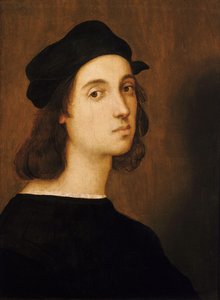
Raffaello
1483 - 1520 , Italia
Dettagli rapidi
- Artisti Influenti:
- Giovanni Santi
- Pietro Perugino
- Leonardo da Vinci
- Michelangelo
- Artisti Influenzati: ['Neoclassicismo']
- Data Di Morte: 6 aprile 1520
- Data Di Nascita: 28 marzo 1483
- Luogo Di Nascita: Urbino, Italia
- Movimento Artistico: Rinascimento maturo
- Nazionalità: Italiana
- Nome Completo: Raffaello Sanzio da Urbino
- Opere Notevoli:
- La Scuola di Atene
- Madonna Solly
- Madonna del Cardellino
- Le Tre Grazie
- La Messa a Bolsena
Articoli correlati

I 25 capolavori imperdibili della Galleria degli Uffizi a Firenze
Scopri i 25 capolavori degli Uffizi, da Botticelli a Da Vinci. Esplora la collezione su AllPaintingsStore.com.

I 25 Capolavori di Pierre-Auguste Renoir: L'Essenza dell'Impressionismo
Scopri i 25 capolavori di Renoir e la magia dell'Impressionismo. Esplora la collezione su AllPaintingsStore.com.

I 10 Capolavori del Neoclassicismo che Hanno Definito l'Arte: Scopri Stile e Bellezza
Esplora i 10 capolavori del Neoclassicismo con ! Scopri la storia di David, Canova e altri maestri, le tecniche artistiche e l'eleganza senza tempo di questo movimento. Acquista riproduzioni d'arte di alta qualità per decorare la tua casa. Esplora la collezione online!

L'Armonia Perfetta: I 25 Capolavori più Grandiosi di Raffaello
Scopri i 25 capolavori di Raffaello e l'armonia del Rinascimento. Esplora la collezione su AllPaintingsStore.com.

25 Capolavori da non Perdere all'Ermitage di San Pietroburgo
Scopri i 25 capolavori dell'Ermitage, da Rembrandt a Matisse. Esplora la collezione completa su AllPaintingsStore.com.



![Stanze Vaticane - Il Fuoco nel Borgo (dettaglio) [01]](/media/artworks/images-thumb/76/f6/76f6220ba33c4e1d9790e47ace4c7148.jpg)

