


 Anteprima in scala reale
 Invia
Invia Condividi
 Dettagli opera
 Guida
Guida

 Scarica
 Simili
 Radiografia
 Slideshow
 Q&A
Q&A Statistiche
St Michael and the Satan


 Espandi i dettagli
Giclée / Stampe d'arte
Stampa giclée o su tela di qualità museale, con produzione rapida e diverse opzioni di finitura. ( Acquista il dipinto realizzato a mano Passa all'immagine digitale)




P118B €10

P118H €10

P118W €10

P438Z €10

P508JH €12

P508YH €12

P805H €10

P805Z €10

P919BZ €10

P919G €10

P919XJ €10

P959ZH €10

P968JZ €12

W106C €8

W218G €10

W218JH €8

W218Y €10

W307PJ €10

W316G €10

W316PJ €8

W316Y €10

W398PJ €8

W4111J €10

W500HY €15

W500JH €15

W692G €12

W849H €8

W940BG €15

W953PJ €8




Scegli tra le nostre dimensioni predefinite, che rispettano le proporzioni originali dell'opera d'arte.

Inserisci la larghezza e l'altezza desiderate, per adattarle alla tua cornice o alla tua parete. Una stampa può essere solo ritagliata, mai resa più grande dell'immagine originale; pertanto, un formato con una forma differente comporterà la perdita di una parte dell'opera. Ti invieremo un mockup digitale da approvare prima di procedere con la stampa. L'immagine mostrata in questa pagina non rappresenta il ritaglio reale — solo il mockup lo mostra.
Consegna in tutto il mondo () in 2 settimane invece delle normali 4/5 settimane. (2 Novembre)

Spedizione espressa gratuita in tutto il mondo

Tela in lino di alta qualità

Assicurazione completa sulla spedizione

Garanzia di rimborso dei dazi doganali

Garanzia di fedeltà cromatica assoluta

Politica di reso entro 100 giorni (solo per difetti di fabbricazione)

Garanzia di rimborso al 100%

Offerta per acquisti multipli
 L'opzione vetro è disponibile solo per dimensioni inferiori a 110 cm

St Michael and the Satan
Giclée / Stampe d'arte
Dimensioni riproduzione
-


Prezzo finale calcolato
€ 57
Raphael: A Titan of Renaissance Harmony
Raffaello Sanzio da Urbino (March 28 or April 6, 1483 – April 6, 1520), now generally known in English as Raphael (UK: RAF-ay-əl, US: RAF-ee-əl, RAY-fee-, RAH-fy-EL), stands as one of the undisputed masters of the High Renaissance—a period defined by unparalleled artistic innovation and humanist ideals. Alongside Leonardo da Vinci and Michelangelo, he constitutes the triumvirate that embodies the zenith of Florentine art, shaping aesthetic sensibilities for centuries to come.
Born in Urbino, Ducal State ruled by Federico da Montefeltro, Raphael’s formative years were steeped in intellectual ferment and artistic patronage. His father Giovanni Santi served as court painter to Federico, exposing young Raffaello to the glories of humanist scholarship alongside breathtaking visual splendor. This upbringing instilled a profound appreciation for beauty and proportion—principles that would permeate his entire oeuvre.
- Early Umbrian Period (1495-1504): Influenced by Pietro Perugino’s serene style, Raphael honed his skills in Urbino, mastering the delicate sfumato technique characteristic of Umbrian painting. His early works demonstrate a remarkable sensitivity to light and color, reflecting the humanist preoccupation with observation and naturalism.
- Florence (1504-1508): Moving to Florence at Federico’s behest, Raphael absorbed the stylistic dynamism of Leonardo da Vinci and Michelangelo—artists who challenged traditional conventions and embraced experimental approaches. This period witnessed the creation of masterpieces like “Madonna della Segnatura,” a monumental fresco embodying the humanist synthesis of theology and philosophy.
- Rome (1508-1520): Pope Julius II summoned Raphael to Rome, initiating his most prolific phase—a collaboration with Bramante and Michelangelo on the rebuilding of St Peter’s Basilica and culminating in the magnificent Raphael Rooms at the Vatican Palace. Here, he achieved unparalleled artistic grandeur, synthesizing classical ideals with Christian symbolism.
Raphael's genius resided not merely in technical virtuosity but also in his profound understanding of human psychology—a gift evident in his portraits and biblical narratives alike. He possessed an uncanny ability to convey emotion through subtle gestures and expressions, capturing the essence of character with breathtaking accuracy.
St Michael Vanquishing Satan: A Symphony of Symbolism
“St Michael Vanquishing Satan,” painted in 1505-6 for Pope Leo X—commissioned shortly after Leonardo’s death—represents a pivotal moment in Raphael's artistic trajectory. It embodies the High Renaissance preoccupation with theological allegory and visual grandeur, reflecting Federico da Montefeltro’s patronage of humanist scholarship.
The composition is meticulously crafted to convey a narrative of cosmic struggle—good versus evil—expressed through dynamic movement and masterful perspective. St Michael stands triumphant over Satan, wielding his spear poised to deliver the fatal blow—a gesture echoing biblical accounts of angelic warfare.
- Composition & Perspective: Raphael skillfully employs linear perspective to create a sense of depth and grandeur, drawing inspiration from Brunelleschi’s innovations at St Peter's Basilica.
- Symbolism: The spear symbolizes divine righteousness; the wings represent angelic purity; the serpent embodies Satanic deceit—elements interwoven to convey a complex theological message.
- Color Palette: Raphael utilizes a rich palette dominated by golds, reds, and blues—colors associated with royalty, piety, and heavenly illumination.
The painting’s enduring appeal stems from its ability to evoke profound spiritual contemplation—a testament to Raphael's mastery of artistic expression and his unwavering commitment to humanist ideals.
Technical Virtuosity: Mastering the Art of Sfumato
Raphael perfected the sfumato technique—developed by Leonardo da Vinci—characterized by subtle gradations of tone that create an ethereal haze—eliminating harsh outlines and enhancing atmospheric depth. This masterful manipulation of light and color distinguishes Raphael’s paintings from earlier styles, elevating them to levels of artistic sophistication unparalleled in their time.
His workshop diligently reproduced his drawings with remarkable precision, ensuring the preservation of his stylistic vision—a feat that underscores the enduring legacy of Raphael's artistic genius. Reproductions of St Michael Vanquishing Satan are available at AllPaintingsStore.
To learn more about Raphael’s life and works, visit Wikipedia: Raphael.
Domande e risposte
Quale dimensione è consigliata per "St Michael and the Satan" in un/una Lobby d'hotel?
Per un Lobby d'hotel, si consiglia di stampare "St Michael and the Satan" con una dimensione di Grande formato.
Cosa rappresenta "St Michael and the Satan" di Raffaello?
"St Michael and the Satan" di Raffaello raffigura: christian mythology, religious symbolism, archangel michael, satanic struggle, geometric composition, divine victory, renaissance art.
Che posto occupa "St Michael and the Satan" all'interno della produzione artistica di Raffaello?
All'interno della produzione di Raffaello, "St Michael and the Satan" si inserisce nello stile High Renaissance, affiancandosi ai temi di humanist ideals, geometric balance, christian triumph, classical influence, raphael legacy.
Opere simili


Biografia dell'artista
**primi anni di vita e formazione**
Raphael (Raffaello Sanzio da Urbino), un rinomato pittore e architetto italiano, nacque tra il 28 marzo e il 6 aprile 1483, nella piccola ma culturalmente significativa città di Urbino. Suo padre, Giovanni Santi, era un pittore di corte per il duca, offrendo a Raffaello un'esposizione precoce al mondo dell’arte. Dopo la morte del padre all'età di undici anni, Raffaello probabilmente gestì l'officina familiare, consolidando ulteriormente le sue fondamenta artistiche.**carriera artistica e influenze**
Il percorso artistico di Raffaello può essere suddiviso in tre fasi distinte, ciascuna caratterizzata da uno stile unico:- primi anni a Umbriglia: caratterizzati dall'influenza del padre e dall'atmosfera culturale di Urbino.
- periodo fiorentino (1504-1508): assorbendo le tradizioni artistiche di Firenze, che hanno profondamente influenzato il suo stile.
- periodo romano (1508-1520): lavorando per due papi e i loro associati, producendo alcune delle sue opere più celebrate, tra cui La scuola di Atene nella stanza della segnatura Vaticana.
**opere notevoli e eredità**
Alcune delle opere più importanti di Raffaello includono:- Il giudizio di Solemano (visualizza su AllPaintingsStore)
- La Madonna di Esterhazy (visualizza su AllPaintingsStore)
- Stanze Vaticane - Vista della stanza della segnatura (visualizza su AllPaintingsStore)
- S. Sebastiano (visualizza su AllPaintingsStore)
- La donna velata (visualizza su AllPaintingsStore)
**influenza e eredità**
L'influenza di Raffaello sull'arte è profonda, con le sue opere che costituiscono un pilastro del Rinascimento maturo. Il suo stile sereno e armonioso è stato un modello per la pittura neoclassica, come notato da l' storico dell'arte Johann Joachim Winckelmann. Nonostante l'influenza successiva dello stile di Michelangelo, Raffaello rimane uno degli artisti più celebrati della storia. visualizza il profilo di Raffaello su AllPaintingsStore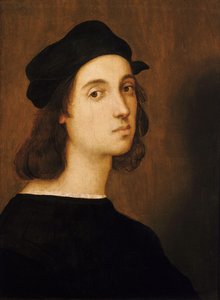
Raffaello
1483 - 1520 , Italia
Dettagli rapidi
- Artisti Influenti:
- Giovanni Santi
- Pietro Perugino
- Leonardo da Vinci
- Michelangelo
- Artisti Influenzati: ['Neoclassicismo']
- Data Di Morte: 6 aprile 1520
- Data Di Nascita: 28 marzo 1483
- Luogo Di Nascita: Urbino, Italia
- Movimento Artistico: Rinascimento maturo
- Nazionalità: Italiana
- Nome Completo: Raffaello Sanzio da Urbino
- Opere Notevoli:
- La Scuola di Atene
- Madonna Solly
- Madonna del Cardellino
- Le Tre Grazie
- La Messa a Bolsena
Articoli correlati

Leonardo, Michelangelo e Raffaello: L'eredità tecnica della rivoluzione rinascimentale
Scopri i segreti tecnici di Leonardo, Michelangelo e Raffaello nel Rinascimento. Approfondisci l'arte dei grandi maestri ora.



![Stanze Vaticane - Il Fuoco nel Borgo (dettaglio) [01]](/media/artworks/images-thumb/76/f6/76f6220ba33c4e1d9790e47ace4c7148.jpg)

-St-Michael-and-the-Satan.jpg)