Anteprima in scala reale
 Condividi
 Condividi
 Dettagli

 Scarica immagine
 Articoli simili
 Radiografia
 Slideshow
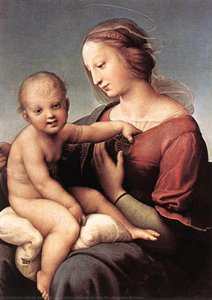
The sistine madonna (detail)2

 Leggi tutto
Riproduzione a olio fatta a mano
Olio su tela dipinto a mano nelle tue dimensioni e con la tua cornice, realizzato su ordinazione dai nostri artisti. ( Acquista stampa Acquista immagine)




P118B $10

P118H $10

P118W $10

P438Z $10

P508JH $12

P508YH $12

P805H $10

P805Z $10

P919BZ $10

P919G $10

P919XJ $10

P959ZH $10

P968JZ $12

W106C $8

W218G $10

W218JH $8

W218Y $10

W307PJ $10

W316G $10

W316PJ $8

W316Y $10

W398PJ $8

W4111J $10

W500HY $15

W500JH $15

W692G $12

W849H $8

W940BG $15

W953PJ $8




Scegli tra le nostre dimensioni predefinite, che rispettano le proporzioni originali dell'opera d'arte.

È possibile inserire dimensioni personalizzate per adattare l'opera a una cornice o a uno spazio specifico. Se la dimensione selezionata non corrisponde alle proporzioni dell'immagine originale, provvederemo a ritagliare l'opera o a estendere il dipinto con elementi aggiuntivi dipinti a mano. Un mockup digitale ti sarà inviato per approvazione prima dell'inizio della produzione.
Si prega di notare che l'anteprima a schermo non riflette il ritaglio o l'estensione effettivi. Solo il mockup mostrerà accuratamente la composizione finale.
Sebbene siano disponibili dimensioni personalizzate, consigliamo di selezionare una dimensione dall'elenco predefinito per preservare le proporzioni originali.
Dopo l'ordine, il team di AllPaintingsStore.com contatterà il cliente via e-mail per le istruzioni e fornirà un'anteprima del mockup
Consegna in tutto il mondo () in 3/4 settimane anziché nelle normali 5 settimane. (12 Agosto). Nessun compromesso sulla qualità.

Spedizione espressa gratuita in tutto il mondo

Tela in lino di alta qualità

Assicurazione completa sulla spedizione

Garanzia di rimborso dei dazi doganali

Garanzia di fedeltà cromatica dell'originale

Politica di reso entro 60 giorni (solo per difetti di fabbricazione)

Garanzia di rimborso al 100%

Sconto per acquisti multipli
 L'opzione vetro è disponibile solo per dimensioni inferiori a 110 cm

The sistine madonna (detail)2
Tecnica di riproduzione
Dimensioni della riproduzione
-


Prezzo totale
$ 258
Descrizione dell'opera
The Sistine Madonna: A Celestial Encounter
Raphael’s *Sistine Madonna*, painted between 1512 and 1514 for the Basilica of San Sisto in Piacenza, Italy, is far more than a depiction of the Virgin Mary and Child; it's an immersive experience, a carefully orchestrated dialogue between heaven and earth. Commissioned by Pope Julius II as an altarpiece honoring his deceased uncle, Pope Sixtus IV, the painting transcends its initial purpose to become one of the most iconic images in Western art history – a testament to Raphael’s mastery of composition, color, and the profound beauty of Renaissance ideals. The scene unfolds within a hazy, cloud-filled expanse, suggesting an ethereal realm where earthly concerns momentarily recede. The figures themselves are bathed in a soft, diffused light, creating a sense of serenity and timelessness that draws the viewer into their world.
Raphael’s genius lies not just in his technical skill – though it is undeniably exceptional – but also in his ability to imbue the painting with layers of meaning. The composition is meticulously balanced, guiding the eye from the central Madonna and Child towards the flanking saints, Saint Sixtus and Saint Barbara. These figures, chosen for their association with the church of San Sisto, represent a connection between the earthly realm and the divine. The putti, cherubic figures dancing amongst the clouds, add a touch of playful innocence and reinforce the painting’s theme of grace and spiritual elevation. Notice how Raphael subtly incorporates elements of classical antiquity – the drapery echoes ancient Roman sculpture, while the overall structure reflects Renaissance architectural principles.
A Symphony of Color and Technique
The *Sistine Madonna* is a prime example of Raphael's mastery of sfumato, a technique developed by Leonardo da Vinci that employs subtle gradations of light and shadow to create an atmospheric effect. This blurring of outlines softens the figures’ features, lending them an almost dreamlike quality. The colors are rich and luminous – deep blues and purples dominate the background, contrasted with the warm tones of the Madonna's robes and the delicate pinks and yellows of the Child Jesus. Raphael employed a meticulous layering technique, applying thin glazes of paint to build up depth and luminosity. This painstaking process is evident in the intricate details of the drapery, the delicate folds of the angels’ wings, and the subtle variations in color throughout the painting.
The use of gold leaf – particularly in the halos surrounding the figures – further enhances the painting's splendor and reinforces its sacred nature. Raphael’s attention to detail is remarkable; every element, from the smallest fold in a garment to the expression on the Madonna’s face, has been carefully considered and executed with precision. The painting was created using oil paints on a poplar wood panel, a common medium for Renaissance artists. This choice of material contributed to the richness and vibrancy of the colors.
Symbolism and Spiritual Resonance
Beyond its technical brilliance, the *Sistine Madonna* is laden with symbolism. The cloud-filled background represents the heavens, suggesting that the Virgin Mary is ascending to meet Christ. The presence of Saint Sixtus and Saint Barbara underscores the painting’s connection to the church and its history. The two putti, often interpreted as representing innocence and divine grace, symbolize the promise of salvation. Many art historians believe Raphael intended the painting to evoke a sense of awe and reverence, inviting viewers to contemplate the mysteries of faith and redemption.
The image’s enduring appeal lies in its ability to resonate with viewers on an emotional level. The serene beauty of the Madonna and Child, combined with the ethereal atmosphere of the background, creates a feeling of peace and tranquility. It's a scene that speaks to our deepest hopes and aspirations – a reminder of the divine presence in our lives and the promise of eternal salvation. The *Sistine Madonna* continues to captivate audiences centuries after its creation, solidifying Raphael’s legacy as one of the greatest artists of all time.
Bringing the Masterpiece Home
Reproductions of the *Sistine Madonna* offer a stunning way to bring this iconic artwork into your home or office. AllPaintingsStore offers high-quality hand-painted reproductions that faithfully capture the painting’s beauty and detail, using archival materials for lasting preservation. Whether you're an art enthusiast, a collector, or simply seeking to add a touch of timeless elegance to your space, a *Sistine Madonna* reproduction is a beautiful and meaningful addition to any collection. Explore our selection today and experience the magic of Raphael’s masterpiece firsthand.
Opere correlate


Biografia dell'artista
**primi anni di vita e formazione**
Raphael (Raffaello Sanzio da Urbino), un rinomato pittore e architetto italiano, nacque tra il 28 marzo e il 6 aprile 1483, nella piccola ma culturalmente significativa città di Urbino. Suo padre, Giovanni Santi, era un pittore di corte per il duca, offrendo a Raffaello un'esposizione precoce al mondo dell’arte. Dopo la morte del padre all'età di undici anni, Raffaello probabilmente gestì l'officina familiare, consolidando ulteriormente le sue fondamenta artistiche.**carriera artistica e influenze**
Il percorso artistico di Raffaello può essere suddiviso in tre fasi distinte, ciascuna caratterizzata da uno stile unico:- primi anni a Umbriglia: caratterizzati dall'influenza del padre e dall'atmosfera culturale di Urbino.
- periodo fiorentino (1504-1508): assorbendo le tradizioni artistiche di Firenze, che hanno profondamente influenzato il suo stile.
- periodo romano (1508-1520): lavorando per due papi e i loro associati, producendo alcune delle sue opere più celebrate, tra cui La scuola di Atene nella stanza della segnatura Vaticana.
**opere notevoli e eredità**
Alcune delle opere più importanti di Raffaello includono:- Il giudizio di Solemano (visualizza su AllPaintingsStore)
- La Madonna di Esterhazy (visualizza su AllPaintingsStore)
- Stanze Vaticane - Vista della stanza della segnatura (visualizza su AllPaintingsStore)
- S. Sebastiano (visualizza su AllPaintingsStore)
- La donna velata (visualizza su AllPaintingsStore)
**influenza e eredità**
L'influenza di Raffaello sull'arte è profonda, con le sue opere che costituiscono un pilastro del Rinascimento maturo. Il suo stile sereno e armonioso è stato un modello per la pittura neoclassica, come notato da l' storico dell'arte Johann Joachim Winckelmann. Nonostante l'influenza successiva dello stile di Michelangelo, Raffaello rimane uno degli artisti più celebrati della storia. visualizza il profilo di Raffaello su AllPaintingsStore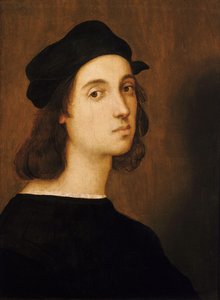
Raffaello
1483 - 1520 , Italia
Informazioni rapide
- Artisti Influenti:
- Giovanni Santi
- Pietro Perugino
- Leonardo da Vinci
- Michelangelo
- Artisti Influenzati: ['Neoclassicismo']
- Data Di Morte: 6 aprile 1520
- Data Di Nascita: 28 marzo 1483
- Luogo Di Nascita: Urbino, Italia
- Movimento Artistico: Rinascimento maturo
- Nazionalità: Italiana
- Nome Completo: Raffaello Sanzio da Urbino
- Opere Notevoli:
- La Scuola di Atene
- Madonna Solly
- Madonna del Cardellino
- Le Tre Grazie
- La Messa a Bolsena
Articoli correlati

I 10 Capolavori della Pittura Fiamminga Antica: Arte, Storia e Stile per la Tua Casa
Esplora i 10 capolavori della pittura fiamminga antica! Jan van Eyck, Rogier van der Weyden e altri maestri rinascimentali. Scopri storia, tecnica e simbolismo di questi dipinti iconici. Trova riproduzioni d'arte di alta qualità per la tua casa su AllPaintingsStore.com.

Antonello da Messina: Innovation, Devotion & the Sicilian Renaissance Master's Enduring Legacy
Explore the groundbreaking art of Antonello da Messina, a pivotal figure of the Renaissance. Discover his innovative oil painting techniques, captivating portraits, and lasting influence on Italian masters. Learn more at AllPaintingsStore.
Giotto di Bondone: I 25 Capolavori che Hanno Rivoluzionato l'Arte e Decorano le Case
Esplora i 25 capolavori di Giotto di Bondone, il pittore che rivoluzionò l'arte medievale. Affreschi iconici, colori vibranti e storie emozionanti ti aspettano. Trova riproduzioni d'arte di alta qualità per decorare la tua casa su AllPaintingsStore.com!
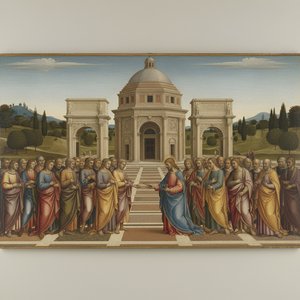
Pietro Perugino: Umbrian Master of Serenity & Precursor to Raphael's High Renaissance
Explore the life & art of Pietro Perugino, a pivotal Renaissance master and Raphael’s influential teacher. Discover his serene compositions, Sistine Chapel frescoes, and lasting legacy with AllPaintingsStore.

Fra Angelico: I 25 Capolavori dell'Arte Rinascimentale per la Tua Casa | AllPaintingsStore
Esplora i 25 capolavori di Fra Angelico, il pittore rinascimentale dell'Annunciazione e della pittura sacra. Scopri la storia, le tecniche e l'arte religiosa che rendono uniche queste opere. Riproduzioni artistiche su AllPaintingsStore.com!