


 Anteprima in scala reale
 Condividi
 Condividi
 Dettagli
 Guida
Guida

 Scarica
 Articoli simili
 Radiografia
 Slideshow
 Statistiche
Cristo appare a Maria Maddalena di Buckingham


 Leggi tutto
Riproduzione a olio fatta a mano
Olio su tela dipinto a mano nelle tue dimensioni e con la tua cornice, realizzato su ordinazione dai nostri artisti. ( Passa alle stampe Passa all'immagine digitale)




P118B $10

P118H $10

P118W $10

P438Z $10

P508JH $12

P508YH $12

P805H $10

P805Z $10

P919BZ $10

P919G $10

P919XJ $10

P959ZH $10

P968JZ $12

W106C $8

W218G $10

W218JH $8

W218Y $10

W307PJ $10

W316G $10

W316PJ $8

W316Y $10

W398PJ $8

W4111J $10

W500HY $15

W500JH $15

W692G $12

W849H $8

W940BG $15

W953PJ $8




Scegli tra le nostre dimensioni predefinite, che rispettano le proporzioni originali dell'opera d'arte.

È possibile inserire dimensioni personalizzate per adattare l'opera a una cornice o a uno spazio specifico. Se la dimensione selezionata non corrisponde alle proporzioni dell'immagine originale, provvederemo a ritagliare l'opera o a estendere il dipinto con elementi aggiuntivi dipinti a mano. Un mockup digitale ti sarà inviato per approvazione prima dell'inizio della produzione.
Si prega di notare che l'anteprima a schermo non riflette il ritaglio o l'estensione effettivi. Solo il mockup mostrerà accuratamente la composizione finale.
Sebbene siano disponibili dimensioni personalizzate, consigliamo di selezionare una dimensione dall'elenco predefinito per preservare le proporzioni originali.
Dopo l'ordine, il team di AllPaintingsStore.com contatterà il cliente via e-mail per ricevere le istruzioni e fornirà un'anteprima del mockup
Consegna in tutto il mondo () in 3/4 settimane anziché nelle normali 5 settimane. (21 Settembre). Nessun compromesso sulla qualità.

Spedizione espressa gratuita in tutto il mondo

Tela in lino di alta qualità

Assicurazione completa sulla spedizione

Garanzia di rimborso dei dazi doganali

Garanzia di perfetta fedeltà cromatica

Politica di reso entro 100 giorni (solo per difetti di fabbricazione)

Garanzia di rimborso al 100%

Sconto per acquisti multipli
 L'opzione vetro è disponibile solo per dimensioni inferiori a 110 cm

Cristo appare a Maria Maddalena di Buckingham
Tecnica di riproduzione
Dimensioni della riproduzione
-


Prezzo totale
$ 258
Rembrandt’s Serene Revelation: Christ Appearing to Mary Magdalen
Rembrandt van Rijn's “Christ Appearing to Mary Magdalen,” painted in 1638, is more than just a religious scene; it’s a profound meditation on faith, forgiveness, and the transformative power of divine grace. This oil-on-panel masterpiece, measuring a modest 61 x 49 centimeters, resides within the hushed reverence of the Rijksmuseum in Amsterdam, yet its emotional resonance continues to captivate viewers centuries later. The painting depicts a pivotal moment following Christ’s resurrection – Mary Magdalene, once a devoted follower burdened by past sins, receives a radiant visitation from the resurrected Savior. Rembrandt masterfully orchestrates a scene brimming with quiet intensity, utilizing his signature *chiaroscuro* technique to draw our gaze into the heart of this intimate encounter.
The composition is deceptively simple yet remarkably effective. Mary Magdalene kneels before Christ, her posture conveying both humility and profound awe. Her hands are clasped together in a gesture of supplication and devotion—a universal symbol of seeking grace and mercy. The setting is deliberately understated: a serene landscape, rendered with muted earth tones and subtle blues, provides a backdrop that emphasizes the spiritual significance of the event rather than distracting from it. Notice the carefully placed details – a book resting on the ground, perhaps representing scripture and divine guidance, and a bowl, possibly symbolizing nourishment or remembrance—elements that subtly enrich the narrative without overwhelming its core message.
The Language of Light and Shadow
Rembrandt’s genius lies not just in his subject matter but also in his unparalleled command of light and shadow. He employs *chiaroscuro* – a dramatic contrast between light and dark – to sculpt the figures, creating a palpable sense of volume and depth. Christ is bathed in an ethereal glow, suggesting his divine presence and offering hope to Mary Magdalene. The surrounding landscape is rendered in softer shadows, contributing to the overall atmosphere of tranquility and spiritual contemplation. This masterful manipulation of light isn’t merely aesthetic; it serves to heighten the emotional impact of the scene, drawing our gaze into the central figures and amplifying their connection.
The palette itself contributes significantly to the painting's mood. Rembrandt eschews vibrant colors in favor of a muted range of earth tones – browns, ochres, and blues – creating a sense of solemnity and reverence. These subtle hues evoke a feeling of timelessness and underscore the enduring nature of faith. The use of warm highlights on Christ’s face and robes further emphasizes his divinity and draws our eye to his compassionate expression.
Symbolism and Spiritual Depth
“Christ Appearing to Mary Magdalen” is rich in symbolic meaning, reflecting the theological complexities of the time. Mary Magdalene's kneeling posture represents repentance and a desire for redemption—a powerful testament to the transformative power of Christ’s grace. The book symbolizes divine knowledge and guidance, while the bowl may represent the nourishment offered by faith. The scene subtly alludes to the biblical narrative, yet Rembrandt transcends mere illustration; he captures the *feeling* of encountering the divine.
Interestingly, the painting was likely commissioned for a private collection, suggesting its intended purpose as a devotional work—a visual aid for contemplation and prayer. The inclusion of the landscape adds another layer of meaning, representing the earthly realm contrasted with the spiritual reality revealed through Christ’s appearance. It's a scene that invites viewers to consider their own relationship with faith, forgiveness, and the possibility of renewal.
A Timeless Masterpiece – Available as a Handmade Reproduction
Rembrandt van Rijn’s “Christ Appearing to Mary Magdalen” stands as a cornerstone of Baroque art, demonstrating his unparalleled skill in capturing human emotion and spiritual depth. AllPaintingsStore.com offers exquisite handmade oil painting reproductions that faithfully recreate the artist's masterful technique and evocative atmosphere. Each reproduction is meticulously crafted by skilled artisans using traditional methods, ensuring an authentic representation of this iconic work.
For those seeking further insight into Rembrandt’s life and work, we encourage you to explore the resources available on Wikipedia (Wikipedia) and visit the Rijksmuseum in Amsterdam, where the original painting resides. You might also find inspiration in related works by Rembrandt, such as “Christ Appears to Mary Magdalen” and “The Risen Christ Appearing to Mary Magdalen,” both available for viewing on AllPaintingsStore.com.
Photo Description: The painting is a religious scene featuring Jesus appearing to Mary Magdalene. The woman is kneeling down in front of him, with her hands clasped together. There are several other people present in the scene, including one person standing on the left side and two others on the right side. In addition to the people, there are a few objects in the painting that add detail to the scene. A book can be seen near the center of the image, while a bowl is located towards the bottom-left corner. There is also a bench situated at the far left edge of the painting.
Size: Unknown
Date: 1638
Opere correlate


Biografia dell'artista
Rembrandt van Rijn: Vita e Eredità
Primi Anni di Vita ed Educazione (1606-1625)
- Rembrandt Harmenszoon van Rijn nacque il 15 luglio 1606 a Leiden, nei Paesi Bassi – un centro vivace durante l'età d'oro della Repubblica Olandese.
- Suo padre, Harmen Gerritszoon van Rijn, era un mulinoio e sua madre, Neeltgen Willemsdochter van Zuytbrouck, proveniva da una famiglia di panettieri. Questo gli fornì accesso all'istruzione presso la scuola latina di Leiden.
- Intorno al 1620, iniziò un apprendistato con Jacob van Swanenburg a Leiden.
- Un periodo cruciale di sei mesi (1624) fu trascorso studiando sotto Pieter Lastman ad Amsterdam, il cui uso drammatico della luce e dell'ombra influenzò profondamente le sue prime opere.
- Ritornato a Leiden, stabilì il suo studio intorno al 1625, condividendolo con l'altro artista Jan Lievens.
Carriera Iniziale e Trasferimento ad Amsterdam (1625-1642)
- Rembrandt ottenne rapidamente riconoscimento a Leiden per i suoi dipinti storici e ritratti.
- Nel 1629, beneficiò del mecenatismo di Constantijn Huygens, ottenendo commissioni dal tribunale di Haia – un punto di svolta nella sua carriera.
- Si trasferì ad Amsterdam nel 1631, diventando un pittore di ritratti di successo che attirava clienti facoltosi.
- Nel 1634, sposò Saskia van Uylenburgh, figlia di un influente giurista e sindaco, ottenendo influenza sociale e stabilità finanziaria iniziale.
Sviluppo Artistico e Stile
- Lo sviluppo artistico di Rembrandt fu caratterizzato da una costante sperimentazione. Si allontanò dalle forme idealizzate verso rappresentazioni realistiche ed espressive emotivamente.
- Periodo Iniziale (c. 1625-1635): Caratterizzato da un realismo dettagliato e dall'influenza di Lastman.
- Periodo Maturo (c. 1635-1650s): Caratterizzato dall'uso magistrale del *chiaroscuro* – luce drammatica e ombra creando profondità psicologica. Il suo tratto si fece più libero, comunicando texture ed emozione.
- Periodo Tardo (c. 1650s-1669): Ritorno a una tavolozza più sobria concentrandosi su ritratti intimi e scene bibliche che riflettevano le lotte personali e le riflessioni spirituali.
Opere Principali e Realizzazioni
- L'Insegnamento dell'Anatomia del Dottor Nicolaes Tulp (1632): Gruppo di ritratti innovativo che mostra l'anatomia umana e la personalità.
- La Cena di Belshazzar (1635): Scena biblica drammatica che dimostra maestria nella luce, nell'ombra e nella composizione.
- La Filastrocca (1642) – ufficialmente Compagnia Militare del Distretto II sotto il Comando del Capitano Frans Banninck Cocq: Un ritratto di gruppo dinamico che ridefinisce il genere con una composizione e un'illuminazione innovative.
- Autoritratti: Circa 40 autoritratti offrono un record visivo unico del suo processo di invecchiamento e della sua visione artistica.
Influenze e Eredità
- Maestri Italiani: Studiò le opere di Tiziano, Caravaggio attraverso stampe e riproduzioni.
- Caravaggio: L'uso drammatico della luce e dell'ombra ebbe un profondo impatto sullo stile di Rembrandt.
- Artisti Olandesi e Fiamminghi: Influenzato dai contemporanei che lavoravano nella Repubblica Olandese e nei Paesi Bassi.
- Rembrandt rivoluzionò il ritratto, elevò l'incisione a un'arte fine e esplorò temi psicologici profondi.
- Nonostante le tragedie personali e le difficoltà finanziarie, la sua reputazione è durata. È ora considerato un pilastro dell'arte olandese e un simbolo universale di genio artistico.
Significato Storico
- L'opera di Rembrandt riflette lo spirito dell'età d'oro olandese – prosperità economica, fioritura intellettuale e innovazione artistica.
- Ha catturato l'essenza di questa epoca attraverso ritratti, scene bibliche che risuonavano con il pubblico e l'esplorazione delle emozioni umane universali.
- La sua storia personale – segnata da successo e avversità – ha reso lui una figura affascinante nella storia dell'arte. Rimane un simbolo duraturo della dedizione al mestiere anche di fronte alle sfide personali. L'impatto di Rembrandt sulle generazioni successive di artisti è incommensurabile.
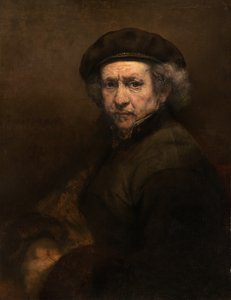
Rembrandt van Rijn
1606 - 1669 , Paesi Bassi
Informazioni rapide
- Artisti Influenti:
- Pieter Lastman
- Caravaggio
- Maestri Italiani
- Data Di Nascita: 15 luglio 1606
- Luogo Di Nascita: Leiden, Paesi Bassi
- Movimento Artistico: Barocco Olandese
- Nazionalità: Olandese
- Nome Completo: Rembrandt van Rijn
- Opere Notevoli:
- La lezione di anatomia del dottor Tulp
- Il banchetto di Belshazzar
- La ronda di notte
- Autoritratti (numerosi)
Articoli correlati

Rembrandt van Rijn: A Life Illuminated – Exploring the Master of Light, Shadow, and Human Emotion
Explore the life & art of Rembrandt van Rijn, master of light and shadow. Discover his iconic paintings, revolutionary techniques, and enduring legacy with AllPaintingsStore – trusted experts in fine art reproductions since 2004.
Rembrandt van Rijn: I 25 Capolavori Immortali da Ammirare | AllPaintingsStore
Esplora i 25 capolavori di Rembrandt van Rijn, da 'La Ronda di Notte' ai suoi intensi autoritratti. Scopri la storia, le tecniche e l'arte barocca del maestro olandese. Riproduzioni di alta qualità su AllPaintingsStore.com.
I 10 Capolavori del Barocco Olandese che Hanno Definito un'Epoca | AllPaintingsStore
Esplora i 10 capolavori del Barocco olandese con AllPaintingsStore. Scopri Rembrandt, Vermeer e altri maestri. Quadri antichi, luce intensa e storie affascinanti per decorare la tua casa con arte di qualità museale. Esplora la collezione online!

Rembrandt van Rijn: Luce, Ombra e Anima del Secolo d'Oro Olandese – Innovazione, Emozione e il Ritratto dell'Umanità
Esplora la vita e l'opera di Rembrandt van Rijn, il maestro del Secolo d'Oro olandese. Approfondisci la sua tecnica rivoluzionaria del chiaroscuro, i suoi ritratti intensi e l'eredità artistica che continua a ispirare.
I 10 Capolavori dell'Acquaforte che Hanno Rivoluzionato l'Arte | AllPaintingsStore
Esplora i 10 capolavori dell'acquaforte che hanno rivoluzionato l'arte! Scopri Rembrandt, Goya e Dürer. Stampe d'arte di alta qualità per decorare la tua casa con stile classico. Acquista riproduzioni su AllPaintingsStore.com.

![La Lezione di Anatomia del Dottor Nicolaes Tulp [1632]](/media/artworks/images-thumb/e5/fc/e5fcb33447eac6b24ab049b22effa1a3.jpg)


