


 Anteprima in scala reale
 Invia
Invia Condividi
 Dettagli opera

 Scarica immagine
 Simili
 Radiografia
 Slideshow
Landscape


 Espandi i dettagli
Giclée / Stampe d'arte
Stampa giclée o su tela di qualità museale, con produzione rapida e diverse opzioni di finitura. ( Acquista il dipinto realizzato a mano Acquista immagine)




P118B $10

P118H $10

P118W $10

P438Z $10

P508JH $12

P508YH $12

P805H $10

P805Z $10

P919BZ $10

P919G $10

P919XJ $10

P959ZH $10

P968JZ $12

W106C $8

W218G $10

W218JH $8

W218Y $10

W307PJ $10

W316G $10

W316PJ $8

W316Y $10

W398PJ $8

W4111J $10

W500HY $15

W500JH $15

W692G $12

W849H $8

W940BG $15

W953PJ $8




Scegli tra le nostre dimensioni predefinite, che rispettano le proporzioni originali dell'opera d'arte.

È possibile inserire dimensioni personalizzate per adattare l'opera a una cornice o a uno spazio specifico. Se la dimensione selezionata non corrisponde alle proporzioni dell'immagine originale, procederemo al ritaglio dell'opera o all'estensione dell'immagine con un bordo specchiato o a tinta unita. Un mockup digitale ti verrà inviato per approvazione prima dell'inizio della produzione.
Si prega di notare che l'anteprima a schermo non riflette il ritaglio o l'estensione effettivi. Solo il mockup mostrerà accuratamente la composizione finale.
Sebbene siano disponibili dimensioni personalizzate, si raccomanda di selezionare una dimensione dall'elenco predefinito per preservare le proporzioni originali.
Consegna in tutto il mondo () in 2 settimane invece delle normali 4/5 settimane. (24 Agosto)

Spedizione espressa gratuita in tutto il mondo

Tela in lino di alta qualità

Assicurazione completa sulla spedizione

Garanzia di rimborso dei dazi doganali

Garanzia di fedeltà cromatica

Politica di reso entro 60 giorni (solo per difetti di fabbricazione)

Garanzia di rimborso al 100%

Offerta per acquisti multipli
 L'opzione vetro è disponibile solo per dimensioni inferiori a 110 cm

Landscape
Giclée / Stampe d'arte
Dimensioni riproduzione
-


Prezzo totale calcolato
$ 64
Descrizione del pezzo
A Descent into the Unseen: René Magritte’s “Landscape”
René Magritte's "Landscape," painted in 1926, is not merely a depiction of a scene; it’s an immersion into the unsettling realm of the subconscious. This arresting work, emerging from the fertile ground of early Surrealism, immediately confronts the viewer with a profoundly disquieting image: a nude woman standing atop a precipice, her back intertwined with the gnarled roots of trees that seem to erupt directly from her form. The vast ocean and distant mountains provide a dramatic backdrop, yet it is the intimate, almost claustrophobic relationship between the figure and the landscape that commands our attention, demanding contemplation long after the initial visual impact has faded.
- Surrealist Roots: Created at the dawn of Magritte’s career, “Landscape” exemplifies the movement's core tenets – a deliberate disruption of reality to expose hidden anxieties and challenge conventional perceptions. It aligns with the broader Surrealist interest in dreams, mythology, and the irrational, seeking to unlock the power of the unconscious mind.
- Technical Mastery: Magritte’s meticulous technique is evident in the incredibly detailed rendering of both the woman's form and the surrounding natural elements. The smooth blending of colors, characteristic of his style, creates a sense of almost photographic realism that only amplifies the unsettling nature of the scene. He employed oil paints on canvas with careful attention to light and shadow, achieving a remarkable level of detail despite the surreal subject matter.
Symbolism and the Weight of Memory
The symbolism within “Landscape” is layered and profoundly personal, deeply rooted in Magritte’s own life experiences. The most potent element is undoubtedly the naked woman, a recurring motif in his work – a direct echo of his mother's death. Her exposed form, combined with the tree roots emerging from her back, evokes a sense of vulnerability, loss, and perhaps even a confrontation with mortality. The ocean, often associated with the unconscious, adds to this feeling of depth and mystery. The trees themselves can be interpreted as symbols of life, growth, and connection – yet here, they are inextricably linked to the woman’s body, blurring the boundaries between the natural world and the human psyche.
- The Mother's Shadow: Art historians frequently link this image to Magritte’s childhood trauma. The depiction of his mother’s corpse in the River Sambre – her dress obscuring her face – became a powerful, haunting memory that informed his artistic vision throughout his career.
- Juxtaposition and Discomfort: Magritte expertly utilizes juxtaposition to create discomfort and provoke thought. The seemingly natural setting is rendered utterly unnatural by the woman’s presence, forcing the viewer to question the stability of reality itself.
Historical Context and Artistic Influence
"Landscape" was created during a period of significant artistic experimentation in Europe. Magritte was influenced by the works of artists like Giorgio de Chirico, whose metaphysical paintings explored similar themes of illusion and disorientation. However, unlike de Chirico’s often more overtly theatrical style, Magritte favored a quieter, more restrained approach – one that prioritized psychological impact over overt narrative. The painting reflects the growing interest in psychoanalysis during the 1920s, which encouraged artists to explore the hidden depths of the human mind.
- Early Surrealism: This work represents a crucial early example of Surrealist art, demonstrating Magritte’s commitment to challenging conventional artistic norms and exploring the realm of dreams and the unconscious.
- Impact on Later Artists: “Landscape” has had a lasting influence on subsequent generations of artists, particularly those working in surrealism and conceptual art.
Emotional Resonance and Artistic Value
“Landscape” transcends mere visual representation; it’s an emotionally charged experience. The painting's unsettling beauty evokes feelings of unease, mystery, and perhaps even a sense of profound sadness. It invites the viewer to confront uncomfortable truths about mortality, identity, and the nature of reality. As a significant work from one of the 20th century’s most influential artists, “Landscape” holds considerable artistic value – a testament to Magritte's innovative vision and his ability to capture the complexities of the human condition. A hand-painted reproduction offers an unparalleled opportunity to bring this iconic image into your space, sparking conversation and contemplation for years to come.
Opere simili


Biografia dell'artista
primi anni di vita e inizi artistici
René François Ghislain Magritte, un rinomato artista surrealista belga, nacque il 21 novembre 1898 a Lessines, provincia dell'Hainaut, Belgio. La sua giovinezza è rimasta in parte misteriosa, con poco noto sul suo infanzia. Tuttavia, è documentato che iniziò le lezioni di disegno nel 1910.evoluzione artistica e influenze
Lo stile artistico di Magritte si è evoluto notevolmente negli anni, influenzato da vari movimenti come l'impressionismo, il futurismo e il cubismo. I suoi primi dipinti, datati intorno al 1915, erano nello stile impressionista. Dal 1916 al 1918, studiò all’Académie Royale des Beaux-Arts a Bruxelles, sotto Constant Montald.periodo surrealista e opere notevoli
Nel 1926, Magritte produsse il suo primo dipinto surrealista, Il Cavaliere Perduto (Le Jockey Perdu), segnando l'inizio della sua associazione con il movimento surrealista. Il suo lavoro è caratterizzato da immagini stimolanti, spesso che raffigurano oggetti ordinari in contesti insoliti, sfidando la percezione della realtà degli osservatori.- Les Amants (1927-1928), una serie di dipinti che presentano persone con panni che coprono i loro volti, si presume sia stata ispirata dalla storia della morte della madre.
- Gli Amanti, un'altra opera iconica, presenta una coppia che si bacia con i volti coperti da panni bianchi, invitando lo spettatore a riflettere sull’amore e l’identità. (disponibile per l'acquisto come riproduzione su olio fatta a mano o stampa su tela presso AllPaintingsStore.com)
vita successiva e eredità
Il lavoro di Magritte è stato esposto negli Stati Uniti nel 1936 e nuovamente in due mostre retrospective, una al Museum of Modern Art nel 1965 e l'altra al Metropolitan Museum of Art nel 1992. È rimasto impegnato nella sinistra politica ma ha sostenuto l’autonomia artistica. Musei notevoli che espongono le opere di Magritte:- Musées Royaux des Beaux-Arts de Belgique, Bruxelles, Belgio (scopri i capolavori dei musées royaux des beaux-aarts de belgique su AllPaintingsStore.com)
- Magritte Museum, parte dei musées royaux des beaux-arts de belgique, che espone la più grande collezione di opere di Magritte al mondo.
Conclusione
L'eredità di René Magritte come maestro surrealista è duratura, con le sue immagini stimolanti che continuano a ispirare e affascinare. Il suo lavoro, caratterizzato da un unico blend tra l’ordinario e l’inaspettato, rimane una pietra angolare dell’arte surrealista. Scopri di più su René Magritte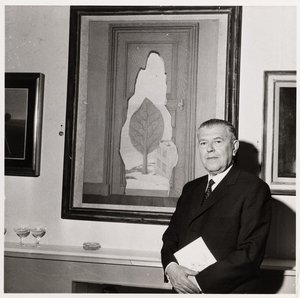
René Magritte
1898 - 1967 , belgio
Dati rapidi
- Artisti Influenti:
- Impressionismo
- Futurismo
- Cubismo
- Data Di Nascita: 21 novembre 1898
- Luogo Di Nascita: Lessines, Belgio
- Movimento Artistico: Surrealismo
- Nazionalità: Belga
- Nome Completo: René François Ghislain Magritte
- Opere Notevoli:
- Le Jockey Perdu
- Gli Amanti
- La Traduzione delle immagini
- Tempo trasfixo
- La condizione umana
Articoli correlati

Katsushika Hokusai: Le 25 Opere Più Iconiche per Amare l'Arte Giapponese
Esplora le 25 opere più iconiche di Katsushika Hokusai, maestro dell'ukiyo-e. Scopri la storia dietro 'La Grande Onda', il Monte Fuji e altre stampe giapponesi senza tempo. Trova riproduzioni d'arte di alta qualità per decorare la tua casa su AllPaintingsStore.com.

I 10 Capolavori del Paesaggio Romantico: Arte, Storia e Decorazioni di Lusso
Esplora i 10 capolavori del Paesaggio Romantico con AllPaintingsStore.com! Caspar David Friedrich, Turner e altri maestri: storia, tecnica e colori che definiscono un'epoca. Trova riproduzioni d'arte di lusso per la tua casa. Scopri la collezione completa online!

Arboreal Echoes: A Historical & Artistic Exploration of Trees in Painting
Explore the rich history of trees in painting! Discover symbolism, Romantic masterpieces by Caspar David Friedrich & beyond. A curated journey for art enthusiasts.
John Constable: I 25 Capolavori che Celebrano la Bellezza della Campagna Inglese
Esplora i 25 capolavori di John Constable, il maestro del Romanticismo inglese. Paesaggi suggestivi, luce naturale e colori vibranti ti aspettano. Acquista riproduzioni d'arte di alta qualità su AllPaintingsStore.com e porta la bellezza della campagna inglese nella tua casa.

Arboreal Echoes: A Historical & Artistic Exploration of Trees in Painting
Explore the rich history of trees in painting! Discover symbolism, Romantic masterpieces by Caspar David Friedrich & beyond. A curated journey for art enthusiasts.


