


 Anteprima in scala reale
 Invia
Invia Condividi
 Dettagli opera
 Guida
Guida

 Scarica
 Simili
 Radiografia
 Slideshow
 Statistiche
Pebble


 Espandi i dettagli
L'opera d'arte visualizzata in questa pagina è protetta dalle leggi sul diritto d'autore, il che significa che non possiamo legalmente creare o vendere una riproduzione identica. Tale protezione è garantita da accordi internazionali quali la Convenzione di Berna e dalle leggi nazionali, incluse quelle stabilite da Legge sul copyright degli Stati Uniti - Titolo 17. Tutti i diritti riservati. Le immagini presenti su questo sito sono protette da copyright e non possono essere riprodotte o utilizzate senza l'autorizzazione scritta di WahooArt.com o dei rispettivi proprietari del copyright.
Questo metodo è pienamente conforme alle normative sul diritto d'autore poiché non prevede la copia o la duplicazione dell'opera protetta. Si tratta invece di una rielaborazione creativa: un nuovo dipinto che trae ispirazione dall'originale, senza tuttavia esserne identico.
Giclée / Stampe d'arte
Stampa giclée o su tela di qualità museale, con produzione rapida e diverse opzioni di finitura. ( Acquista il dipinto realizzato a mano Passa all'immagine digitale)




P118B €10

P118H €10

P118W €10

P438Z €10

P508JH €12

P508YH €12

P805H €10

P805Z €10

P919BZ €10

P919G €10

P919XJ €10

P959ZH €10

P968JZ €12

W106C €8

W218G €10

W218JH €8

W218Y €10

W307PJ €10

W316G €10

W316PJ €8

W316Y €10

W398PJ €8

W4111J €10

W500HY €15

W500JH €15

W692G €12

W849H €8

W940BG €15

W953PJ €8




Scegli tra le nostre dimensioni predefinite, che rispettano le proporzioni originali dell'opera d'arte.

Inserisci la larghezza e l'altezza desiderate, per adattarle alla tua cornice o alla tua parete. Una stampa può essere solo ritagliata, mai resa più grande dell'immagine originale; pertanto, un formato con una forma differente comporterà la perdita di una parte dell'opera. Ti invieremo un mockup digitale da approvare prima di procedere con la stampa. L'immagine mostrata in questa pagina non rappresenta il ritaglio reale — solo il mockup lo mostra.
Consegna in tutto il mondo () in 2 settimane invece delle normali 4/5 settimane. (25 Ottobre)

Spedizione espressa gratuita in tutto il mondo

Tela in lino di alta qualità

Assicurazione completa sulla spedizione

Garanzia di rimborso dei dazi doganali

Garanzia di fedeltà cromatica assoluta

Politica di reso entro 100 giorni (solo per difetti di fabbricazione)

Garanzia di rimborso al 100%

Offerta per acquisti multipli
 L'opzione vetro è disponibile solo per dimensioni inferiori a 110 cm

Pebble
Giclée / Stampe d'arte
Dimensioni riproduzione
-


Prezzo finale calcolato
€ 56
René Magritte’s *Pebble*: A Study in Disquieting Observation
René Magritte's 1948 painting, *Pebble*, is not merely a depiction of a woman; it’s an immersion into the unsettling realm of the subconscious, meticulously crafted with the artist’s signature blend of meticulous realism and profound psychological exploration. The image presents a woman in a vibrant red dress, her gaze fixed downwards as she examines her chest, a pearl necklace adorning her neck. Two figures flank her, their attention equally absorbed by this intimate moment, creating an atmosphere thick with unspoken questions and veiled anxieties. This work, painted during a period of intense Surrealist influence, exemplifies Magritte’s deliberate rejection of straightforward representation, instead opting to present familiar subjects in ways that challenge our perceptions of reality and invite contemplation on the nature of desire, vulnerability, and the hidden narratives within human interaction.
Subject Matter and Composition
The subject matter itself is deliberately ambiguous. The woman’s exposed breasts immediately draw attention, yet her posture – a gesture of careful observation rather than overt display – complicates any simple interpretation. The inclusion of the two onlookers adds another layer of intrigue. Are they witnesses to a private moment? Do they share in her contemplation, or are they voyeurs observing something unsettling? Magritte’s masterful composition utilizes spatial relationships and averted gazes to heighten this sense of unease. The yellow background, a color often associated with optimism and enlightenment, ironically contributes to the painting's overall mood, acting as a stark contrast to the woman's vulnerability and amplifying the feeling of disorientation.
Technique and Style – Magritte’s Precise Illusionism
Magritte was renowned for his incredibly precise technique. *Pebble* showcases this perfectly; every detail, from the folds of the red dress to the sheen on the pearl necklace, is rendered with painstaking accuracy. This meticulous realism serves not to create a comforting illusion but rather to intensify the unsettling effect. He employed oil paints with a level of control that borders on photographic, creating an almost hyperreal depiction that further emphasizes the strangeness of the scene. This deliberate juxtaposition of realistic technique and surreal subject matter is central to Magritte’s artistic strategy – he sought to expose the inherent contradictions within our visual experience.
Symbolism and Historical Context
*Pebble* resonates deeply with themes explored throughout Magritte's oeuvre, particularly his fascination with the subconscious and the power of suggestion. The painting’s genesis is inextricably linked to the trauma of his mother’s death, a recurring motif in his work that manifests as veiled figures and obscured realities. The act of the woman examining her chest can be interpreted as an exploration of self-awareness, vulnerability, or perhaps even a confrontation with mortality – themes prevalent within the broader context of Surrealism's interest in dreams, anxieties, and the irrational. Created in 1948, *Pebble* reflects the post-war anxieties and uncertainties that permeated European society, alongside the continued influence of Surrealist ideas challenging established norms and questioning conventional understandings of truth.
Emotional Impact and Artistic Legacy
Ultimately, *Pebble* is a profoundly unsettling work. It doesn’t offer easy answers or comforting resolutions; instead, it forces the viewer to confront uncomfortable questions about perception, desire, and the hidden depths of human experience. Magritte's ability to evoke such powerful emotions through seemingly simple imagery cemented his place as one of the 20th century’s most influential artists. A hand-painted reproduction of *Pebble* offers a unique opportunity to own a piece of this artistic legacy, bringing its enigmatic beauty and unsettling power into your home or workspace.
Domande e risposte
Qual è l'atmosfera generale di "Pebble" di René Magritte?
"Pebble" di René Magritte è descritto come Mystical per atmosfera. Questa classificazione può aiutare ad abbinare l'opera a un ambiente.
Con quale tecnica è realizzata "Pebble" di René Magritte?
René Magritte ha utilizzato la tecnica del Acrylic On Canvas per "Pebble". La tecnica definisce la natura materica dell'opera originale.
Quanto è celebre "Pebble" all'interno di Surrealist Object?
"Pebble" è classificata come Recognized tra le opere del Surrealist Object nel catalogo.
Opere simili


Biografia dell'artista
primi anni di vita e inizi artistici
René François Ghislain Magritte, un rinomato artista surrealista belga, nacque il 21 novembre 1898 a Lessines, provincia dell'Hainaut, Belgio. La sua giovinezza è rimasta in parte misteriosa, con poco noto sul suo infanzia. Tuttavia, è documentato che iniziò le lezioni di disegno nel 1910.evoluzione artistica e influenze
Lo stile artistico di Magritte si è evoluto notevolmente negli anni, influenzato da vari movimenti come l'impressionismo, il futurismo e il cubismo. I suoi primi dipinti, datati intorno al 1915, erano nello stile impressionista. Dal 1916 al 1918, studiò all’Académie Royale des Beaux-Arts a Bruxelles, sotto Constant Montald.periodo surrealista e opere notevoli
Nel 1926, Magritte produsse il suo primo dipinto surrealista, Il Cavaliere Perduto (Le Jockey Perdu), segnando l'inizio della sua associazione con il movimento surrealista. Il suo lavoro è caratterizzato da immagini stimolanti, spesso che raffigurano oggetti ordinari in contesti insoliti, sfidando la percezione della realtà degli osservatori.- Les Amants (1927-1928), una serie di dipinti che presentano persone con panni che coprono i loro volti, si presume sia stata ispirata dalla storia della morte della madre.
- Gli Amanti, un'altra opera iconica, presenta una coppia che si bacia con i volti coperti da panni bianchi, invitando lo spettatore a riflettere sull’amore e l’identità. (disponibile per l'acquisto come riproduzione su olio fatta a mano o stampa su tela presso AllPaintingsStore.com)
vita successiva e eredità
Il lavoro di Magritte è stato esposto negli Stati Uniti nel 1936 e nuovamente in due mostre retrospective, una al Museum of Modern Art nel 1965 e l'altra al Metropolitan Museum of Art nel 1992. È rimasto impegnato nella sinistra politica ma ha sostenuto l’autonomia artistica. Musei notevoli che espongono le opere di Magritte:- Musées Royaux des Beaux-Arts de Belgique, Bruxelles, Belgio (scopri i capolavori dei musées royaux des beaux-aarts de belgique su AllPaintingsStore.com)
- Magritte Museum, parte dei musées royaux des beaux-arts de belgique, che espone la più grande collezione di opere di Magritte al mondo.
Conclusione
L'eredità di René Magritte come maestro surrealista è duratura, con le sue immagini stimolanti che continuano a ispirare e affascinare. Il suo lavoro, caratterizzato da un unico blend tra l’ordinario e l’inaspettato, rimane una pietra angolare dell’arte surrealista. Scopri di più su René Magritte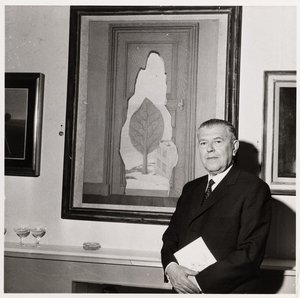
René Magritte
1898 - 1967 , belgio
Dettagli rapidi
- Artisti Influenti:
- Impressionismo
- Futurismo
- Cubismo
- Data Di Nascita: 21 novembre 1898
- Luogo Di Nascita: Lessines, Belgio
- Movimento Artistico: Surrealismo
- Nazionalità: Belga
- Nome Completo: René François Ghislain Magritte
- Opere Notevoli:
- Le Jockey Perdu
- Gli Amanti
- La Traduzione delle immagini
- Tempo trasfixo
- La condizione umana
Articoli correlati

The Treachery of Images: Decoding René Magritte’s Surrealist Philosophy and the Paradox of Representation
Explore the profound mystery of René Magritte’s 'The Treachery of Images.' Dive into an expert analysis of his Surrealist philosophy, the paradox of representation, and how he challenged reality through the interplay of language and visual perception.

Giclée Prints: Archival Quality & Aesthetic Nuances for the Discerning Collector
Explore the world of giclée prints with AllPaintingsStore. Learn about archival quality, aesthetic nuances & investment potential. Expert guidance for discerning art collectors seeking museum-quality reproductions and lasting value.

Crimson Threads of Narrative: Exploring Symbolism & Representation in Artworks Featuring the Red Dress
Explore the rich symbolism of the red dress in art history! From ancient power displays to iconic portraits like Cézanne’s 'Madame Cezanne', discover the cultural and artistic significance behind this captivating color. Expert analysis & insights.

The Enduring Legacy of Fine Art Prints: Technique, History & Aesthetic Impact
Explore the rich history & techniques of fine art prints. Discover investment potential, assess authenticity, and learn how to preserve your collection with expert guidance. Trusted insights for discerning collectors.

Echoes of Time: Exploring the Enduring Appeal & Historical Context of Vintage Art Prints
Explore the captivating world of vintage art prints! Discover their history, collecting tips & enduring appeal. Expert insights on chromolithography and building a legacy collection with AllPaintingsStore.


