


 Anteprima in scala reale
 Invia
Invia Condividi
 Dettagli opera
 Guida
Guida

 Scarica
 Simili
 Radiografia
 Slideshow
 Q&A
Q&A Statistiche
The Chestnut Tree
 Oil On Canvas
- WallArt
- Impressionism
 1919
1919 50.0 x 60.0 cm
 Ashmolean Museum di Arte e Archeologia
 Espandi i dettagli
Giclée / Stampe d'arte
Stampa giclée o su tela di qualità museale, con produzione rapida e diverse opzioni di finitura. ( Acquista il dipinto realizzato a mano Passa all'immagine digitale)




P118B €10

P118H €10

P118W €10

P438Z €10

P508JH €12

P508YH €12

P805H €10

P805Z €10

P919BZ €10

P919G €10

P919XJ €10

P959ZH €10

P968JZ €12

W106C €8

W218G €10

W218JH €8

W218Y €10

W307PJ €10

W316G €10

W316PJ €8

W316Y €10

W398PJ €8

W4111J €10

W500HY €15

W500JH €15

W692G €12

W849H €8

W940BG €15

W953PJ €8




Scegli tra le nostre dimensioni predefinite, che rispettano le proporzioni originali dell'opera d'arte.

Inserisci la larghezza e l'altezza desiderate, per adattarle alla tua cornice o alla tua parete. Una stampa può essere solo ritagliata, mai resa più grande dell'immagine originale; pertanto, un formato con una forma differente comporterà la perdita di una parte dell'opera. Ti invieremo un mockup digitale da approvare prima di procedere con la stampa. L'immagine mostrata in questa pagina non rappresenta il ritaglio reale — solo il mockup lo mostra.
Consegna in tutto il mondo () in 2 settimane invece delle normali 4/5 settimane. (28 Ottobre)

Spedizione espressa gratuita in tutto il mondo

Tela in lino di alta qualità

Assicurazione completa sulla spedizione

Garanzia di rimborso dei dazi doganali

Garanzia di fedeltà cromatica assoluta

Politica di reso entro 100 giorni (solo per difetti di fabbricazione)

Garanzia di rimborso al 100%

Offerta per acquisti multipli
 L'opzione vetro è disponibile solo per dimensioni inferiori a 110 cm

The Chestnut Tree
Giclée / Stampe d'arte
Dimensioni riproduzione
-


Prezzo finale calcolato
€ 56
A Rustic Reverie: Robert Polhill Bevan’s “The Chestnut Tree”
Robert Polhill Bevan's "The Chestnut Tree," painted in 1919, isn’t merely a depiction of a rural scene; it’s a carefully constructed evocation of the English countryside imbued with a quiet intensity and a nascent modernist sensibility. This oil on canvas transports us to a moment suspended between tradition and a burgeoning awareness of color and form – a pivotal point in British art history. The painting immediately draws the eye with its muted palette, dominated by earthy browns, deep greens, and subtle greys, creating an atmosphere of understated beauty and timelessness. It’s a landscape that feels both familiar and subtly unsettling, inviting contemplation rather than immediate gratification.
Bevan, a key figure in the Camden Town Group and a pioneer of British Post-Impressionism, was deeply influenced by the artistic currents swirling through Paris at the time. However, he skillfully synthesized these influences – particularly the vibrant color palettes of Gauguin and the evocative brushwork of Pissarro – with his own distinctly English sensibility. The composition itself is deceptively simple: a weathered stone farmhouse anchors the scene, its sturdy presence contrasting with the delicate branches of the chestnut tree that dominates the upper portion of the canvas. The arrangement feels deliberately balanced, yet there’s an underlying tension—a sense of quiet observation rather than dramatic action.
Decoding the Symbolism
Beyond its purely visual appeal, “The Chestnut Tree” is rich in symbolic meaning. The chestnut tree itself holds a complex significance in British folklore and tradition – representing longevity, fertility, and even resurrection. Its presence here speaks to a deep connection with the land and a reverence for nature’s cycles. The farmhouse, too, carries weight; it embodies stability, heritage, and the enduring values of rural life. The muted colors contribute to this sense of rootedness, suggesting a timeless quality that transcends specific moments in time.
Furthermore, the painting can be interpreted as a reflection on the changing social landscape of early 20th-century Britain. Bevan’s work emerged during a period of rapid industrialization and urbanization, prompting artists to seek solace and inspiration in the countryside. “The Chestnut Tree” captures this yearning for connection with nature—a desire to preserve the values of rural life against the relentless march of modernity. The solitary farmhouse suggests a quiet resistance, a steadfastness amidst change.
A Masterclass in Impressionistic Technique
Bevan’s masterful technique is evident in every brushstroke. He employs a loose, expressive style that prioritizes capturing the *impression* of light and color over meticulous detail. Thick impasto application—particularly noticeable on the building's walls and the foliage—creates a tactile surface, inviting viewers to almost feel the texture of the paint. The use of broken color – applying small dabs of pure pigment side-by-side rather than blending them seamlessly – adds vibrancy and luminosity to the scene.
The artist’s skillful manipulation of light is particularly noteworthy. A diffused, overcast sky casts a soft glow over the landscape, creating an atmosphere of tranquility and mystery. The shadows are deep but not harsh, contributing to the painting's overall sense of harmony. Bevan’s ability to capture the subtle nuances of light and color—a hallmark of Impressionism—demonstrates his technical prowess and artistic sensitivity.
Bringing “The Chestnut Tree” Home
Reproductions of "The Chestnut Tree" offer a remarkable opportunity to bring this evocative landscape into your home or office. Whether you’re drawn to its rustic charm, its symbolic depth, or simply its exquisite beauty, this painting is sure to spark conversation and inspire contemplation. A high-quality reproduction captures the essence of Bevan's original work—the rich colors, the expressive brushwork, and the underlying sense of timelessness. It’s a piece that will add character and sophistication to any space, serving as a constant reminder of the beauty and tranquility of the English countryside.
Domande e risposte
Dove posso scaricare "The Chestnut Tree" di Robert Polhill Bevan?
È disponibile il download per "The Chestnut Tree": la pagina Scarica l'opera dell'opera offre download di un'immagine digitale ad alta risoluzione.
È possibile visualizzare "The Chestnut Tree" di Robert Polhill Bevan sotto diverse illuminazioni?
"The Chestnut Tree" può essere esaminata strato dopo strato nella pagina Raggi X dell'opera, un visualizzatore ispirato al banco luminoso di un restauratore che offre undici letture ottiche dell'immagine.
Qual è il soggetto di "The Chestnut Tree"?
"The Chestnut Tree" di Robert Polhill Bevan raffigura: rural landscape, british art, farmhouse, impressionism, greenery, tranquility, traditional scene, textured painting.
Opere simili


Biografia dell'artista
Primi Anni e Formazione Artistica
- Nascita: Hove, Regno Unito (1865)
- Morte: 1925
- Origini Familiari: Robert Polhill Bevan nacque in una famiglia quacchera con legami bancari. I suoi genitori erano Richard Alexander Bevan e Laura Maria Polhill.
- Educazione Iniziale: Studiò alla Westminster School of Art sotto la guida di Fred Brown. Successivamente, frequentò l'Académie Julian a Parigi dove incontrò artisti influenti come Paul Sérusier, Pierre Bonnard, Édouard Vuillard e Maurice Denis.
- Influenza della Bretagna: I primi viaggi in Bretagna (1890 & 1891) ebbero un impatto significativo sul suo sviluppo artistico, grazie all'esposizione allo stile di Pont-Aven.
Sviluppo Artistico e Influenze
- Stile Iniziale: I primi lavori di Bevan mostrarono influenze del sintetismo, evidenti nei suoi disegni e stampe realizzati durante il suo periodo in Bretagna.
- Fauvismo: Intorno al 1904, Bevan sperimentò con colori puri, dimostrando un approccio proto-fauvista che lo poneva all'avanguardia rispetto a molti artisti britannici dell'epoca. Il suo dipinto "Cortile" è considerato un primo esempio di questo stile.
- Divisionismo/Pointillism: Successivamente, adottò una tecnica divisionista o puntinista, come si può vedere in opere come "Aratura sulle Downs" e "Il Seminatore con il Aratro".
- Influenze Chiave: Influenze significative includono Paul Gauguin (evidente nell'uso del colore) e maestri precedenti come Velázquez e Goya. Riconobbe anche la guida di Renoir nel disegno dei cavalli.
Appartenenza a Gruppi Artistici e Cerchie
- Camden Town Group: Bevan fu un membro fondatore del Camden Town Group, un collettivo di artisti che cercava di rappresentare la vita urbana moderna.
- London Group: Appartenne anche al London Group, un'altra organizzazione artistica progressista.
- Cumberland Market Group: Dimostrando ulteriormente il suo impegno nei movimenti artistici contemporanei, Bevan fece parte del Cumberland Market Group.
- Associazione con Walter Sickert: Nel 1908, si unì al gruppo di Fitzroy Street di Walter Sickert, dove ricevette l'incoraggiamento a concentrarsi su soggetti della vita quotidiana.
- Allied Artists’ Association: Partecipò alla prima esposizione dell'Allied Artists’ Association nel 1908, che fornì una piattaforma per artisti progressisti e lo introdusse a Wassily Kandinsky.
Opere Principali e Temi
- Paesaggi: Bevan è noto soprattutto per i suoi paesaggi del Sussex e della Bretagna, spesso raffiguranti scene rurali con colori vivaci e pennellate espressive. Esempi includono "In the Downs near Lewes", "Il Castagno" e "Paesaggio nelle Blackdown Hills, Devon".
- Ritratti: Creò ritratti, tra cui una notevole raffigurazione di sua moglie, Stanislawa Bevan (nata de Karłowska).
- Scene Urbane: Il suo lavoro includeva anche rappresentazioni della vita urbana, come dipinti che documentano il declino del commercio delle cabine a cavallo ("La Cavalla da Trasporto").
- Dipinti Notabili: Altre opere significative includono "Queen's Grove, St John's Wood", "La Fattoria" e “Rosemary la vallée”.
Eredità e Significato Storico
- Pioniere dell’Arte Britannica Moderna: Robert Polhill Bevan è riconosciuto come un pioniere dell’arte britannica moderna, in particolare per la sua precoce adozione dei principi fauvisti.
- Influenza sull'Uso del Colore: È stato tra i primi artisti britannici a utilizzare il colore puro in modo significativo, influenzando le generazioni successive di pittori.
- Contributo al Camden Town Group: La sua partecipazione al Camden Town Group ha contribuito a plasmare lo sviluppo dell’arte moderna in Gran Bretagna.
- Mostra Retrospettiva: Una mostra retrospettiva alla Colnaghi's nel 1961 ha evidenziato i suoi contributi e consolidato il suo posto nella storia dell’arte.

Robert Polhill Bevan
1865 - 1925 , Regno Unito
Dettagli rapidi
- Artistic Movement Or Style:
- Camden Town Group
- Fauvismo
- Puntinismo
- Artists Who Influenced This Artist:
- Paul Gauguin
- Renoir
- Velázquez
- Goya
- Date Of Birth: 1865
- Date Of Death: 1925
- Full Name: Robert Polhill Bevan
- Nationality: Britannico
- Notable Artworks:
- Rosemary la valle
- Paesaggio nel Blackdown
- Stanislawa Bevan, née de Karlowska
- Nei Downs vicino a Lewes
- Il castagno
- Queen's Grove, St John’s Wood
- La fattoria
- L’albero di castagno
- Place Of Birth: Hove, Regno Unito
Articoli correlati

I 10 Capolavori Impressionisti che Hanno Rivoluzionato il Paesaggio Pittorico
Esplora i 10 capolavori impressionisti che hanno rivoluzionato il paesaggio pittorico! Monet, Renoir e altri maestri catturati in stampe su tela di alta qualità. Trova l'arte perfetta per la tua casa su AllPaintingsStore.com.
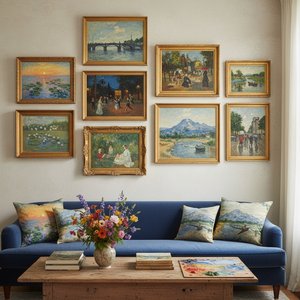
I 10 Capolavori Impressionisti che Hanno Rivoluzionato il Paesaggio Pittorico
Esplora i 10 capolavori impressionisti che hanno rivoluzionato il paesaggio pittorico! Monet, Renoir e altri maestri catturati in stampe su tela di alta qualità. Scopri la storia dell'arte e trova l'opera perfetta per arredare casa tua con AllPaintingsStore.com.

John Constable: I 25 Capolavori che Celebrano la Bellezza della Campagna Inglese
Esplora i 25 capolavori di John Constable, il maestro del Romanticismo inglese. Paesaggi suggestivi, luce naturale e colori vibranti ti aspettano. Acquista riproduzioni d'arte di alta qualità su AllPaintingsStore.com e porta la bellezza della campagna inglese nella tua casa.

Serene Landscapes: Capturing the Timeless Beauty of Rural Artworks through Impressionist Mastery
Discover the profound tranquility of rural art through an expert exploration of Impressionist landscapes. From pastoral scenes to textured oil masterpieces, learn how timeless nature-inspired artworks bring enduring elegance and serenity to sophisticated collectors.

Cultivating Visions: A Historical Journey Through Rural Landscapes in Art
Explore the rich history of rural landscape painting with AllPaintingsStore. Discover Impressionist masterpieces, key artists & movements. Find your perfect serene artwork and bring nature's beauty home.


