

1489. Acrilico su tela. Galleria degli Uffizi.

§ 1Catalogue data


§ 2Abstract
Descrizione del reperto
Scopri l'Annuncio al Cestello di Sandro Botticelli, un capolavoro della Firenze rinascimentale raffigurante l'angelo Gabriel che comunica la nascita di Cristo alla Vergine Maria nel monastero di Cestello.
 Espandi i dettagli
Biografia dell'artista
Esplora l'affascinante arte di Sandro Botticelli (1445-1510), un maestro della pittura del Rinascimento maturo. Conosciuto per la sua elegante linearità, opere iconiche come 'La nascita di Venere' & 'Primavera', e per aver colmato il divario tra lo stile gotico e quello rinascimentale. Scopri il suo lascito!
§ 3Commentary
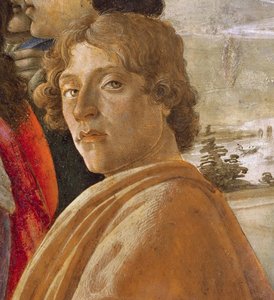
The Cestello Annunciation (detail) by Sandro Botticelli
Sandro Botticelli’s “Cestello Annunciation,” completed in 1489, stands as a testament to the zenith of Early Renaissance artistic achievement—a luminous depiction capturing not merely an event from biblical scripture but also embodying profound spiritual contemplation. This exquisite tempera painting on panel resides within the Uffizi Gallery, Florence, offering visitors a privileged glimpse into Botticelli’s masterful command of color and composition.
- Subject Matter: The artwork portrays the pivotal moment of the Annunciation—the divine messenger Gabriel informing Mary that she will conceive Jesus Christ. This narrative cornerstone of Christian faith is rendered with meticulous detail, emphasizing the sacredness of the occasion.
- Style and Technique: Botticelli’s style distinguishes itself by its graceful linearity and ethereal beauty, drawing inspiration from Late Gothic traditions yet firmly rooted in the humanist ideals emerging during his time. The artist employs a delicate tempera technique—pigments bound with egg yolk—resulting in vibrant hues and subtle tonal gradations that imbue the scene with an otherworldly glow.
- Historical Context: Painted during Savonarola’s fervent religious fervor, “Cestello Annunciation” reflects the prevailing spiritual climate of Florence. Botticelli's artistic choices align with the humanist movement’s emphasis on idealized beauty and human dignity, subtly countering the austere moralizing tendencies prevalent in the era.
- Symbolism: The painting overflows with symbolic imagery. Gabriel holds aloft a lily—a traditional emblem of Mary’s purity—while Mary gazes intently at Gabriel, conveying profound reverence and acceptance. The walled garden backdrop symbolizes Virginity, mirroring Mary's spiritual state.
- Emotional Impact: Botticelli succeeds in capturing the palpable emotion of this sacred encounter. The figures are rendered with expressive gestures and facial expressions, conveying a sense of solemn contemplation and divine grace—a visual distillation of faith and humility that continues to resonate with viewers centuries later.
The painting’s serene palette—dominated by muted blues and greens—contrasts sharply with the dark background, further enhancing the luminosity of the figures and their surroundings. This masterful use of chiaroscuro contributes significantly to the artwork's dramatic impact, guiding the viewer’s gaze toward the central narrative.
“Cestello Annunciation” is more than just a depiction of biblical history; it is an embodiment of Renaissance artistic ideals—a celebration of beauty, grace, and spiritual contemplation. Its enduring appeal testifies to Botticelli's unparalleled ability to translate theological concepts into visual splendor, securing its place as one of the most treasured masterpieces of Florentine art.
Domande e risposte
"Annuncio al Cestello" è di pubblico dominio?
Stato del copyright per "Annuncio al Cestello" di Sandro Botticelli: l'opera è di pubblico dominio - il copyright è scaduto. Ciò determina se sia possibile effettuare liberamente riproduzioni dell'immagine.
Quale colore domina la composizione di "Annuncio al Cestello" di Sandro Botticelli?
Il colore dominante di "Annuncio al Cestello" di Sandro Botticelli è Verde ftalocianina (#2a191b).
Quale tonalità dominante caratterizza "Annuncio al Cestello" di Sandro Botticelli?
Una tonalità Dall'ambra allo zafferano attraversa l'opera "Annuncio al Cestello" di Sandro Botticelli.


 Passa alle stampe


 Per opere d'arte o riproduzioni con un lato superiore a 105 cm (circa 41 pollici), la cornice verrà spedita in forma di kit smontato. Questo metodo garantisce una consegna sicura e previene danni durante il trasporto.


