


 Anteprima in scala reale
 Condividi
 Condividi
 Dettagli
 Guida
Guida

 Scarica
 Articoli simili
 Radiografia
 Slideshow
 Statistiche
Portrait of the Artist Marten Pepijn
 Oil On Panel
- WallArt
- Baroque
 Early Modern
 72.0 x 56.0 cm
 Koninklijk Museum voor Schone Kunsten
 Leggi tutto
Riproduzione a olio fatta a mano
Olio su tela dipinto a mano nelle tue dimensioni e con la tua cornice, realizzato su ordinazione dai nostri artisti. ( Passa alle stampe Passa all'immagine digitale)




P118B $10

P118H $10

P118W $10

P438Z $10

P508JH $12

P508YH $12

P805H $10

P805Z $10

P919BZ $10

P919G $10

P919XJ $10

P959ZH $10

P968JZ $12

W106C $8

W218G $10

W218JH $8

W218Y $10

W307PJ $10

W316G $10

W316PJ $8

W316Y $10

W398PJ $8

W4111J $10

W500HY $15

W500JH $15

W692G $12

W849H $8

W940BG $15

W953PJ $8




Scegli tra le nostre dimensioni predefinite, che rispettano le proporzioni originali dell'opera d'arte.

È possibile inserire dimensioni personalizzate per adattare l'opera a una cornice o a uno spazio specifico. Se la dimensione selezionata non corrisponde alle proporzioni dell'immagine originale, provvederemo a ritagliare l'opera o a estendere il dipinto con elementi aggiuntivi dipinti a mano. Un mockup digitale ti sarà inviato per approvazione prima dell'inizio della produzione.
Si prega di notare che l'anteprima a schermo non riflette il ritaglio o l'estensione effettivi. Solo il mockup mostrerà accuratamente la composizione finale.
Sebbene siano disponibili dimensioni personalizzate, consigliamo di selezionare una dimensione dall'elenco predefinito per preservare le proporzioni originali.
Dopo l'ordine, il team di AllPaintingsStore.com contatterà il cliente via e-mail per ricevere le istruzioni e fornirà un'anteprima del mockup
Consegna in tutto il mondo () in 3/4 settimane anziché nelle normali 5 settimane. (21 Settembre). Nessun compromesso sulla qualità.

Spedizione espressa gratuita in tutto il mondo

Tela in lino di alta qualità

Assicurazione completa sulla spedizione

Garanzia di rimborso dei dazi doganali

Garanzia di perfetta fedeltà cromatica

Politica di reso entro 100 giorni (solo per difetti di fabbricazione)

Garanzia di rimborso al 100%

Sconto per acquisti multipli
 L'opzione vetro è disponibile solo per dimensioni inferiori a 110 cm

Portrait of the Artist Marten Pepijn
Tecnica di riproduzione
Dimensioni della riproduzione
-


Prezzo totale
$ 258
A Glimpse into the Baroque Soul
To encounter the Portrait of the Artist Marten Pepijn is to step directly into the intimate atmosphere of the seventeenth-century Flemish studio. Created in 1632 by the incomparable Sir Anthony van Dyck, this masterpiece serves as more than a mere likeness; it is a profound psychological study of a fellow creator. During this prolific period, while Van Dyck was navigating the grandeur of the English court, he paused to capture the essence of Marten Pepoon, an Antwerp Guildsman and accomplished painter. The portrait radiates a quiet, dignified authority, inviting the viewer into a silent dialogue with a man whose very existence was defined by the brush and the palette.
The composition is masterfully restrained, eschewing the theatrical excess often associated with the Baroque era in favor of a focused, soulful intensity. Van Dyck utilizes a sophisticated chiaroscuro technique, where light does not simply illuminate but actively sculpts the subject. A soft, directional glow falls across Pepijn’s face, highlighting the thoughtful furrow of his brow and the steady, confident gaze that meets the observer. This interplay of shadow and light creates a sense of three-dimensional depth, making the sitter feel present, as if he might step forward from the dark, atmospheric background at any moment.
Technical Mastery and Material Elegance
The brilliance of this work lies in Van Dyck’s unparalleled ability to manipulate oil paint on panel. The choice of a wooden support allowed the artist to achieve an extraordinary level of fine detail and smooth transitions that are difficult to replicate on canvas. One can observe the meticulous rendering of textures: the crisp, architectural folds of the ruffled collar, the subtle sheen of the wig, and the soft, organic texture of the subject's beard and mustache. Each brushstroke is purposeful, contributing to a surface that feels both tactile and luminous.
The color palette is a testament to the artist's refined taste, dominated by warm, earthy tones—rich umbers, deep golds, and muted browns. These colors do not compete for attention but rather provide a harmonious foundation that allows the subtle nuances of skin tone to emerge. For the discerning collector or interior designer, this painting offers a timeless elegance. Its sophisticated tonal range makes it an ideal centerpiece for a curated gallery wall or a stately study, providing a sense of historical weight and intellectual depth to any sophisticated interior space.
An Enduring Legacy of Artistic Connection
Beyond the technical prowess, there is a poignant layer of symbolism embedded in this portrait. As a tribute to a peer, the painting celebrates the shared identity of the artist class. The dignity with which Pepijn is presented reflects the rising social status of painters during the Flemish Baroque period. There is no pretense of mythological grandeur here; instead, we find the beauty of human intellect and professional pride. This connection between the painter and his subject creates an emotional resonance that transcends centuries.
For those seeking to bring the spirit of the Old Masters into a modern home, a high-quality reproduction of this work offers a unique opportunity. It is not merely a decorative element but an infusion of history, culture, and emotion. Owning such a piece allows one to surround themselves with the quiet strength and unparalleled grace of Van Dyck’s vision, ensuring that the legacy of the Baroque era continues to inspire and captivate in the contemporary world.
Opere correlate


Biografia dell'artista
A Flemish Master at the Courts of Europe
Sir Anthony van Dyck, born in Antwerp in 1599, emerged as one of the most celebrated and influential portraitists of the Baroque era. His life, though tragically cut short at just forty-two years old, was a whirlwind of artistic exploration and prestigious commissions that took him from his native Flanders to Italy and ultimately to the heart of the English court. From an early age, van Dyck displayed remarkable talent, entering Hendrick van Balen’s workshop as a young apprentice and quickly absorbing the prevailing styles of the time. However, it was his association with Peter Paul Rubens – not merely as a student but as a collaborator – that truly shaped his artistic foundation. He learned from Rubens' dynamic compositions, rich color palettes, and masterful handling of light and shadow, yet van Dyck soon began to forge his own distinct path, one characterized by an elegance and refinement that would become his signature.Italian Sojourns and the Birth of a Style
The years van Dyck spent in Italy, beginning around 1621, proved pivotal in his artistic development. He resided primarily in Genoa, where he found favor among the city’s aristocratic families. It was here that he began to cultivate the sophisticated style for which he would become renowned – a style marked by graceful poses, luxurious fabrics, and an almost palpable sense of nobility. Unlike the robust energy often found in Rubens' work, van Dyck’s Italian portraits exude a refined composure, capturing not just physical likeness but also the inner character and social standing of his sitters. During this period, he embarked on his *Iconography*, a series of meticulously rendered portrait etchings featuring prominent figures of his time – artists, scholars, and rulers alike. This project showcased his exceptional technical skill and established him as a leading printmaker. These etchings weren’t simply records; they were carefully constructed images designed to immortalize the subjects and convey their status and intellect. He experimented with new techniques and absorbed influences from Venetian masters like Titian, adapting them to his own aesthetic vision.The King's Painter: Van Dyck in England
In 1632, van Dyck received an invitation that would forever alter his career trajectory – a summons from Charles I of England to become the court painter. This appointment marked a turning point, not only for van Dyck but also for English portraiture. He arrived in London with a considerable reputation and quickly became indispensable to the king, tasked with creating images that projected an aura of power, majesty, and divine right. Van Dyck’s portraits of Charles I are particularly noteworthy; he moved away from the stiff, formal representations favored by earlier artists, instead portraying the king as a dynamic, charismatic leader. He employed innovative techniques – dramatic lighting, sweeping gestures, and carefully chosen backgrounds – to create images that were both visually stunning and politically charged. His influence extended beyond the royal family, shaping the visual culture of the English aristocracy for generations to come. He revolutionized portrait painting by prioritizing psychological insight alongside physical accuracy, establishing a new standard for artistic excellence.Legacy and Enduring Influence
Van Dyck's untimely death in 1641 robbed the art world of a prodigious talent, but his legacy endures to this day. His impact on English portraiture is immeasurable; he established a standard of elegance and sophistication that subsequent artists would strive to emulate. He was recognized as one of the foremost painters of his time, celebrated for his mastery of technique and his ability to convey emotion through visual representation. His works continue to captivate audiences with their beauty, elegance, and enduring psychological depth. The Balbi Children, Charles I in Three Positions, and countless other masterpieces stand as testaments to his genius, ensuring that Sir Anthony van Dyck remains one of the most celebrated artists of the Baroque period. His influence can still be seen today in fashion, photography, and contemporary portraiture, a testament to the timeless appeal of his art.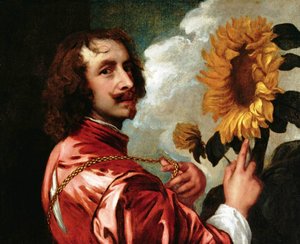
Sir Anthony van Dyck
1599 - 1641 , Belgio
Informazioni rapide
- Artistic Movement Or Style: Baroque
- Artists Who Influenced This Artist: ['Peter Paul Rubens']
- Date Of Birth: March 22, 1599
- Full Name: Sir Anthony van Dyck
- Nationality: Flemish
- Notable Artworks:
- Portrait of a Woman
- Charles I in Three Positions
- Place Of Birth: Antwerp, Belgium
Articoli correlati

Sir Anthony van Dyck: Ritratto di Corte e Formazione dell'Identità Barocca
Esplora l'arte di Anthony van Dyck, il maestro del ritratto barocco. Analisi approfondita delle sue opere italiane e inglesi, l'influenza di Tiziano e la sua eredità nella storia dell'arte. Scopri i segreti della pittura di corte.
Rembrandt van Rijn: I 25 Capolavori Immortali da Ammirare | AllPaintingsStore
Esplora i 25 capolavori di Rembrandt van Rijn, da 'La Ronda di Notte' ai suoi intensi autoritratti. Scopri la storia, le tecniche e l'arte barocca del maestro olandese. Riproduzioni di alta qualità su AllPaintingsStore.com.

Carlo-André van Loo e lo Studio sulla Ritrattistica Rococò alla Corte Francese
Esplora l'arte di Carlo-André van Loo e il raffinato mondo della ritrattistica rococò alla corte francese del XVIII secolo. Analisi approfondite, tecniche pittoriche e contesto storico per collezionisti ed esperti.

The Grandeur of Baroque Portraiture: Power, Emotion & Artistic Innovation
Explore the grandeur of Baroque portraiture! Discover Rubens, Van Dyck & the masters of 17th-century art. Uncover symbolism, techniques & lasting influence. Expert insights for collectors and enthusiasts.

Flemish Baroque: The Ultimate Masterclass in Dramatic Light, Opulent Detail, and Visual Impact
Discover the breathtaking drama of Flemish Baroque art. Explore the mastery of Rubens and Van Dyck through an expert lens, focusing on chiaroscuro, opulent detail, and the emotional intensity that defines this legendary era of visual impact.


