Anteprima in scala reale
 Condividi
 Condividi
 Dettagli

 Scarica immagine
 Articoli simili
 Radiografia
 Slideshow
John Ruskin
 Oil
Oil- WallArt
- Pre-Raphaelite
 1854
1854- 19th Century
 79.0 x 68.0 cm
 Leggi tutto
Giclée / Stampe d'arte
Stampa giclée o su tela di qualità museale, con produzione rapida e diverse opzioni di finitura. ( Ordina la riproduzione dipinta a mano Acquista download)




P118B $10

P118H $10

P118W $10

P438Z $10

P508JH $12

P508YH $12

P805H $10

P805Z $10

P919BZ $10

P919G $10

P919XJ $10

P959ZH $10

P968JZ $12

W106C $8

W218G $10

W218JH $8

W218Y $10

W307PJ $10

W316G $10

W316PJ $8

W316Y $10

W398PJ $8

W4111J $10

W500HY $15

W500JH $15

W692G $12

W849H $8

W940BG $15

W953PJ $8




Scegli tra le nostre dimensioni predefinite, che rispettano le proporzioni originali dell'opera d'arte.

È possibile inserire dimensioni personalizzate per adattare l'opera a una cornice o a uno spazio specifico. Se la dimensione selezionata non corrisponde alle proporzioni dell'immagine originale, procederemo al ritaglio dell'opera o all'estensione dell'immagine con un bordo specchiato o a tinta unita. Un mockup digitale ti verrà inviato per approvazione prima dell'inizio della produzione.
Si prega di notare che l'anteprima a schermo non riflette il ritaglio o l'estensione effettivi. Solo il mockup mostrerà accuratamente la composizione finale.
Sebbene siano disponibili dimensioni personalizzate, si raccomanda di selezionare una dimensione dall'elenco predefinito per preservare le proporzioni originali.
Consegna in tutto il mondo () in 2 settimane invece delle normali 4/5 settimane. (19 Agosto)

Spedizione espressa gratuita in tutto il mondo

Tela in lino di alta qualità

Assicurazione completa sulla spedizione

Garanzia di rimborso dei dazi doganali

Garanzia di fedeltà cromatica dell'originale

Politica di reso entro 60 giorni (solo per difetti di fabbricazione)

Garanzia di rimborso al 100%

Sconto per acquisti multipli
 L'opzione vetro è disponibile solo per dimensioni inferiori a 110 cm

John Ruskin
Giclée / Stampe d'arte
Dimensioni della riproduzione
-


Prezzo totale
$ 64
Descrizione del pezzo
A Meeting of Minds: The Soul of Pre-Raphaelite Realism
In the mid-19th century, a profound connection was forged between the lens of critical thought and the brush of artistic genius. Sir John Everett Millais’s 1854 portrait of John Ruskin stands as a breathtaking testament to this era of intellectual and aesthetic revolution. The painting captures more than just a man; it captures a moment in history where the boundaries of truth, nature, and human emotion were being redrawn. As the viewer encounters the subject, they are met with a gaze that is both piercing and contemplative, reflecting the weight of a man who was not only a titan of art criticism but a visionary social thinker. Millais, a prodigy of the Pre-Raphaelite Brotherhood, utilizes his unparalleled ability to render texture and light to bring Ruskin to life, placing him within a rugged, elemental landscape that mirrors the depth of his own intellect.
The composition is masterfully orchestrated to evoke a sense of dramatic permanence. Standing amidst weathered rocks near the cascading energy of a waterfall, Ruskin appears as an extension of the natural world he so passionately defended in his writings. The interplay between the man’s formal attire—the structured suit and tie that signify Victorian gravity—and the untamed, flowing water in the background creates a compelling tension. This juxtaposition serves as a visual metaphor for the struggle between civilization and the sublime power of nature. For the collector or interior designer, this piece offers a profound focal point, bringing an atmosphere of scholarly prestige and organic vitality to any curated space.
Technique, Texture, and the Majesty of Nature
Millais’s technical execution in this portrait is nothing short of extraordinary, embodying the very principles of verisimilitude that defined his early career. Every element, from the damp sheen on the stones to the delicate spray of the distant waterfall, is rendered with a meticulous, almost photographic fidelity. The artist employs a rich palette that allows the cool tones of the water and the earthy textures of the landscape to harmonize with the somber, dignified tones of Ruskin’s clothing. This dedication to detail ensures that the painting does not merely represent a scene but invites the viewer to inhabit it, feeling the mist of the falls and the solidity of the earth.
Beyond the mere imitation of reality, there is a profound emotional resonance embedded in the brushwork. The way light catches the contours of Ruskin’s face suggests an inner life of intense scrutiny and passion. This is not a static portrait; it is a living narrative of a man deeply entwined with the landscapes he analyzed. For those seeking to adorn a home or gallery with art that inspires deep thought, this reproduction offers a window into the Victorian soul. It provides a sophisticated aesthetic anchor that complements both classical and contemporary interiors, bridging the gap between historical reverence and modern elegance through its timeless depiction of character and the sublime.
Opere correlate


Biografia dell'artista
La Vita e l'Educazione di Sir John Everett Millais
Sir John Everett Millais, un rinomato pittore e illustratore inglese, nacque l'8 giugno 1829 a Southampton, in Inghilterra. Fin da bambino prodigio, divenne lo studente più giovane ad entrare alle Royal Academy Schools all’età di undici anni.La Fondazione della Fratellanza Preraffaellita
Nel settembre del 1848, Sir John Everett Millais, insieme a William Holman Hunt e Dante Gabriel Rossetti, fondò la Fratellanza Preraffaellita nella sua casa di famiglia in Gower Street, Londra. Questo movimento mirava a rivivere lo stile del primo Rinascimento italiano.Opere Principali
Alcune delle opere più notevoli di Sir John Everett Millais includono:- Cristo nella casa di suoi genitori (1849-1850), un'opera controversa che presentava la sua realistica rappresentazione di una famiglia umile.
- Un Ugonotto (1851-1852), che raffigurava una giovane coppia sul punto di essere separata a causa dei conflitti religiosi.
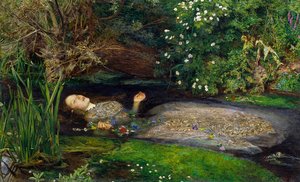
- Ofelia (1851-1852), un dipinto che mostrava le sue superfici pittoriche dense ed elaborate, spesso concentrandosi sulla bellezza e la complessità del mondo naturale.
- Mariana (1850-1851), basata sull'opera teatrale Misura per Misura di William Shakespeare e sulla poesia omonima di Alfred, Lord Tennyson.
Influenze e Sviluppo Successivo
Le opere successive di Sir John Everett Millais furono influenzate da sua moglie, Effie, che era stata precedentemente sposata con il critico John Ruskin. Il suo stile si evolse verso una forma più ampia di realismo, inizialmente condannato da Ruskin ma successivamente riconosciuto come un contributo significativo al mondo dell'arte.Musei e Collezioni
Alcune opere di Sir John Everett Millais possono essere ammirate in vari musei, tra cui:- Tate Britain, Londra, che espone L'Ordine del Rilascio (1853) e Ofelia (1852).
- Ashmolean Museum, Oxford, che espone Il ritorno della colomba alla cattedra (1851).
Eredità
L'eredità di Sir John Everett Millais si estende oltre la sua arte. Fu un pioniere del movimento preraffaellita e una figura significativa nello sviluppo dell'arte britannica.- Scopri di più su Sir John Everett Millais su AllPaintingsStore.com.
- Esplora la Fratellanza Preraffaellita e la sua influenza sull'arte britannica su Wikipedia.

Sir John Everett Millais
1829 - 1896 , Regno Unito
Informazioni rapide
- Artisti Influenti:
- William Holman Hunt
- Dante Gabriel Rossetti
- Artisti Influenzati:
- Movimento Estetico
- Simbolismo
- Data Di Nascita: 8 giugno 1829
- Luogo Di Nascita: Southampton, Regno Unito
- Movimento Artistico: Preraffaellismo
- Nazionalità: Britannico
- Nome Completo: Sir John Everett Millais
- Opere Notevoli:
- Cristo nella casa dei genitori
- Un Ugonotto
- Ofelia
- Mariana
Articoli correlati

Pre-Raphaelite Romanticism: A Guide to Vivid Detail and Medieval Beauty in Victorian Art
Explore the vivid detail and medieval beauty of Pre-Raphaelite Romanticism. Discover the history of masters like Rossetti and Millais through our expert guide to Victorian art, perfect for collectors and professionals seeking authentic, museum-quality reproductions.