

 Anteprima in scala reale
 Invia
Invia Condividi
 Dettagli opera
 Guida
Guida

 Scarica
 Simili
 Radiografia
 Slideshow
 Domande e risposte
 Statistiche
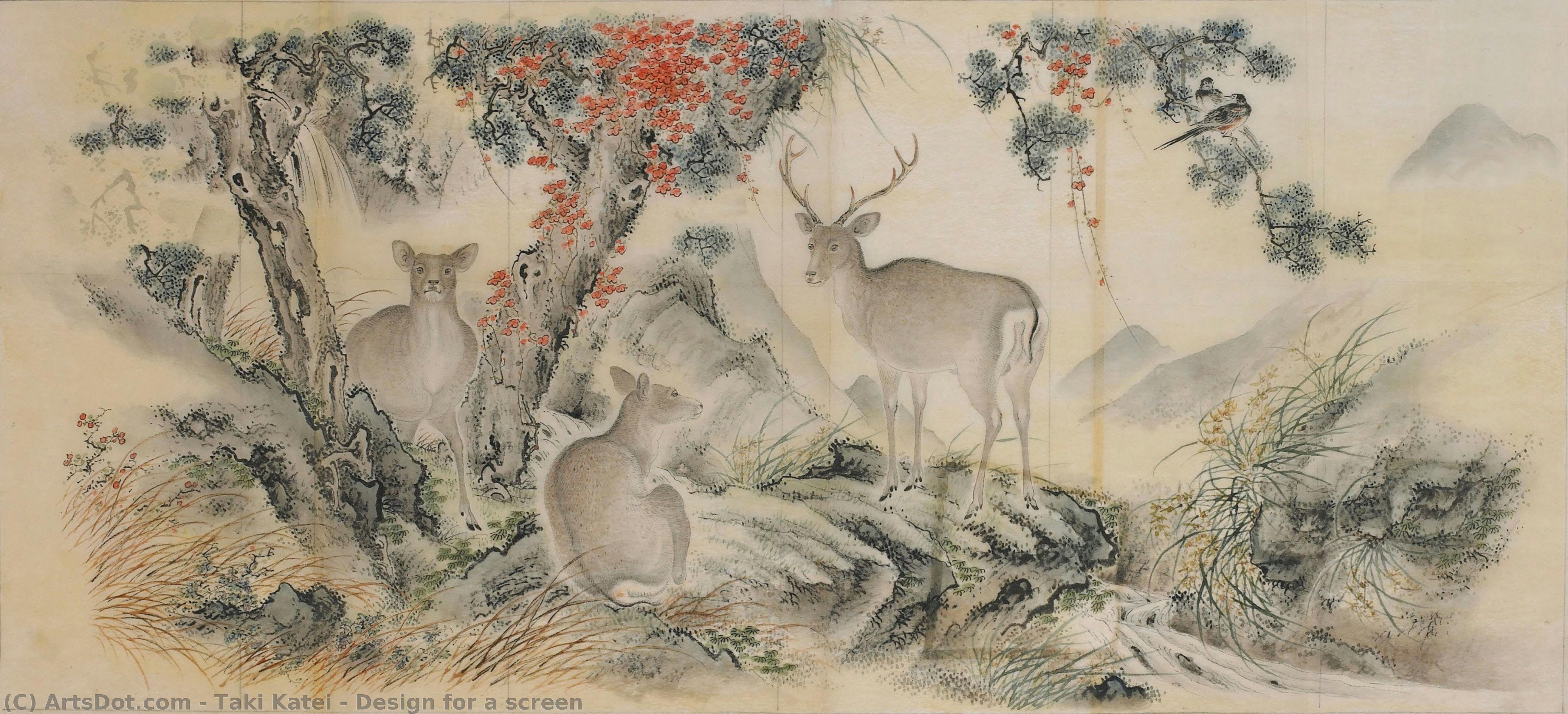
Design for a screen

- 38.0 x 66.0 cm


 Espandi i dettagli
Giclée / Stampe d'arte
Stampa giclée o su tela di qualità museale, con produzione rapida e diverse opzioni di finitura. ( Acquista il dipinto realizzato a mano Passa all'immagine digitale)




P118B €10

P118H €10

P118W €10

P438Z €10

P508JH €12

P508YH €12

P805H €10

P805Z €10

P919BZ €10

P919G €10

P919XJ €10

P959ZH €10

P968JZ €12

W106C €8

W218G €10

W218JH €8

W218Y €10

W307PJ €10

W316G €10

W316PJ €8

W316Y €10

W398PJ €8

W4111J €10

W500HY €15

W500JH €15

W692G €12

W849H €8

W940BG €15

W953PJ €8




Scegli tra le nostre dimensioni predefinite, che rispettano le proporzioni originali dell'opera d'arte.

Inserisci la larghezza e l'altezza desiderate, per adattarle alla tua cornice o alla tua parete. Una stampa può essere solo ritagliata, mai resa più grande dell'immagine originale; pertanto, un formato con una forma differente comporterà la perdita di una parte dell'opera. Ti invieremo un mockup digitale da approvare prima di procedere con la stampa. L'immagine mostrata in questa pagina non rappresenta il ritaglio reale — solo il mockup lo mostra.
Consegna in tutto il mondo () in 2 settimane invece delle normali 4/5 settimane. (8 Novembre)

Spedizione espressa gratuita in tutto il mondo

Tela in lino di alta qualità

Assicurazione completa sulla spedizione

Garanzia di rimborso dei dazi doganali

Garanzia di fedeltà cromatica assoluta

Politica di reso entro 100 giorni (solo per difetti di fabbricazione)

Garanzia di rimborso al 100%

Offerta per acquisti multipli
 L'opzione vetro è disponibile solo per dimensioni inferiori a 110 cm

Design for a screen
Giclée / Stampe d'arte
Dimensioni riproduzione
-


Prezzo finale calcolato
€ 58
Opere simili


Biografia dell'artista
early life and career
Taki Katei, a japanese painter, was born on january 27, 1830, in the late tokugawa period. His career spanned two eras, making him an important figure in the transition from traditional to modern japanese art. He was born in Tokyo, Japan, and his father was a masterless samurai (rōnin) who had moved from Aki Province to the shogun’s city. A rōnin was a samurai without a lord or master during the feudal period (1185–1868) of japan. Katei's childhood was marked by exposure to samurai culture and traditions, shaping his artistic sensibilities. He excelled in swordsmanship from a young age, demonstrating physical prowess alongside intellectual curiosity. His early training instilled discipline and precision—qualities that would later translate into meticulous brushwork and compositional balance in his paintings.artistic style and influences
Katei's work demonstrates the shifts occurring in artistic practice as japanese society changed and expectations altered. His style, though rooted in tradition, shows a gradual incorporation of modern techniques. This blending of old and new makes his artwork a fascinating study of japan’s cultural evolution. He was deeply influenced by Ming-dynasty painting styles, particularly landscapes featuring misty mountains and serene ponds—a stylistic preference that reflected the broader aesthetic ideals of the time. However, Katei wasn't merely replicating established conventions; he skillfully adapted them to express contemporary themes and emotions. Notably, he responded to the rise of western-style painting known as yōga, which was gaining popularity during the meiji period (1868–1912). This confrontation between traditional nihonga and yōga spurred Katei to innovate—to explore new visual vocabularies while retaining core elements of japanese artistic heritage.notable works and associations
Katei's paintings are characterized by their use of mineral pigments and organic materials on silk or paper, typical of the nihonga style. His most celebrated compositions depict birds and flowers—subjects that held profound symbolic significance in japanese art history. These artworks embody a harmonious blend of tradition and innovation, reflecting katei’s artistic vision. He was recognized as a pioneer of modern japanese art, establishing himself as one of the foremost exponents of the yamato e style. Katei's association with the nihonga art movement places him alongside notable artists like uemura shōen, kazuo shiraga, and kobayashi eitaku—artists who shared his commitment to preserving japanese artistic traditions while embracing new aesthetic possibilities.legacy and impact
Taki Katei’s contributions to japanese art are undeniable. His work serves as a bridge between the traditional yamato e style and the modern nihonga movement. He was appointed an Imperial Household Artist, one of only 8 painters to be honoured at that point in time—a testament to his artistic merit and national prestige. His paintings were displayed in the emperor’s personal suite, signifying their importance within the imperial court's cultural patronage. Katei’s legacy extends beyond individual artworks; he helped shape the trajectory of japanese painting as a whole. The taki katei collection at AllPaintingsStore.com showcases his remarkable talent, with 20 artworks available for viewing and reproduction. His influence can be seen in subsequent generations of nihonga artists—artists who continued to explore the expressive potential of bird-and-flower imagery while upholding katei’s commitment to artistic integrity. Katei's work remains a cornerstone of japanese art history, inspiring scholars and artists alike with its blend of meticulous technique and profound symbolic resonance.
Taki Katei
1830 - 1901 , Giappone
Dettagli rapidi
- Artistic Movement Or Style: Nihonga
- Artists Or Movements Influenced By This Artist: ['Yamato E Style']
- Artists Who Influenced This Artist: ['Uemura Shoen']
- Date Of Birth: 27 gennaio 1830
- Full Name: Taki Katei
- Nationality: Giapponese
- Notable Artworks: ['Cranes in Flight']
- Place Of Birth: Tokyo, Giappone
Articoli correlati

Feathered Visions: A Historical & Artistic Exploration of Birds in Painting
Explore the rich history of birds in painting! Discover symbolism, artistic movements & master artists like Audubon. High-quality reproductions available at AllPaintingsStore.

I 25 capolavori di Mark Rothko: un viaggio nell'emozione pura del colore
Esplora i 25 capolavori di Mark Rothko e l'emozione del Color Field. Scopri le riproduzioni su AllPaintingsStore.com.

Crimson Threads of Narrative: Exploring Symbolism & Representation in Artworks Featuring the Red Dress
Explore the rich symbolism of the red dress in art history! From ancient power displays to iconic portraits like Cézanne’s 'Madame Cezanne', discover the cultural and artistic significance behind this captivating color. Expert analysis & insights.

Esplosione di Colore: I 25 Capolavori Imperdibili di Henri Matisse
Scopri i 25 capolavori di Henri Matisse e l'energia del Fauvismo. Esplora la collezione su AllPaintingsStore.com.

Golden Hues & Crimson Leaves: Capturing the Magic of Autumn Colors in Fine Art
Embark on a visual journey through the golden hues of autumn fine art. Discover how masters like Van Gogh capture seasonal magic through vibrant oil landscapes and explore expert tips for collecting timeless autumnal masterpieces.
