


 Anteprima in scala reale
 Invia
Invia Condividi
 Dettagli opera
 Guida
Guida

 Scarica
 Simili
 Radiografia
 Slideshow
 Statistiche
Spring
 Oil
Oil- WallArt
- Young Poland
 19th Century
 5.0 x 59.0 cm
 Museo Masoviano
 Espandi i dettagli
Riproduzione a olio fatta a mano
Olio su tela dipinto a mano nelle tue dimensioni e con la tua cornice, realizzato su ordinazione dai nostri artisti. ( Passa alle stampe Passa all'immagine digitale)




P118B €10

P118H €10

P118W €10

P438Z €10

P508JH €12

P508YH €12

P805H €10

P805Z €10

P919BZ €10

P919G €10

P919XJ €10

P959ZH €10

P968JZ €12

W106C €8

W218G €10

W218JH €8

W218Y €10

W307PJ €10

W316G €10

W316PJ €8

W316Y €10

W398PJ €8

W4111J €10

W500HY €15

W500JH €15

W692G €12

W849H €8

W940BG €15

W953PJ €8




Scegli tra le nostre dimensioni predefinite, che rispettano le proporzioni originali dell'opera d'arte.

Inserisci la larghezza e l'altezza desiderate, per adattarle alla tua cornice o alla tua parete. Trattandosi di un'opera dipinta a mano, in caso di dimensioni con un formato differente, l'artista può estendere leggermente il dipinto oltre i bordi dell'immagine o ritagliare una piccola parte — la scelta spetta a te. Ti invieremo un mockup digitale da approvare prima che la realizzazione abbia inizio. L'immagine mostrata in questa pagina non rappresenta il risultato finale — solo il mockup lo fa.
Dopo l'ordine, il team di AllPaintingsStore.com contatterà il cliente via e-mail per ricevere le istruzioni e fornirà un'anteprima del mockup
Consegna in tutto il mondo () in 3/4 settimane anziché nelle normali 5 settimane. (27 Ottobre). Nessun compromesso sulla qualità.

Spedizione espressa gratuita in tutto il mondo

Tela in lino di alta qualità

Assicurazione completa sulla spedizione

Garanzia di rimborso dei dazi doganali

Garanzia di fedeltà cromatica assoluta

Politica di reso entro 100 giorni (solo per difetti di fabbricazione)

Garanzia di rimborso al 100%

Offerta per acquisti multipli
 L'opzione vetro è disponibile solo per dimensioni inferiori a 110 cm

Spring
Tecnica di riproduzione
Dimensioni riproduzione
-


Prezzo finale calcolato
€ 227
A Moment of Introspection: The Radiance of Spring
In the delicate brushstrokes of Teodor Axentowicz’s "Spring," we are invited into a private, sun-drenched sanctuary where time seems to pause. This captivating portrait captures a woman of striking presence, her vibrant red hair and matching hat serving as a brilliant focal point against the soft, natural light of an outdoor setting. As she gazceptively holds a mirror, gazing at her own reflection, the painting transcends mere portraiture to become a profound meditation on identity and self-perception. The composition is masterfully balanced; while the woman remains the emotional heart of the piece, subtle details such as a perched bird in the upper periphery and a quiet arrangement of a vase and book in the lower corner weave a narrative of peaceful coexistence between humanity and the natural world.
The technique employed here speaks to Axentowicz’s rigorous academic training in Munich and Paris. There is a palpable sense of texture in the way light dances across the fabric of her attire and the reflective surface of the mirror, suggesting a mastery of light and shadow that recalls the great masters he once studied. The artist utilizes a palette that celebrates the warmth of a burgeoning season, using luminous tones to evoke the gentle heat of a sunny day. This skillful application of paint creates an atmosphere that is both tactile and ethereal, making the scene feel as though it could be witnessed through a window into another era.
Symbolism and the Spirit of the Era
Beyond its aesthetic beauty, "Spring" carries deep symbolic weight. The mirror, a classic motif in art history, serves as a window into the soul, representing the duality of appearance and essence. In this context, the act of looking inward during the season of rebirth suggests a period of personal renewal and growth. The presence of the bird and the floral elements further reinforces the theme of vitality and the cyclical nature of life. As a key figure in the Young Poland movement, Axentowicz often infused his works with a sense of romanticism and national identity, and here, that spirit manifests as a quiet, introspective joy found in the simple beauty of the outdoors.
For the discerning collector or interior designer, this piece offers more than just visual elegance; it provides an emotional anchor for a room. The painting’s ability to evoke tranquility makes it an ideal centerpiece for spaces designed for contemplation, such as a library, a study, or a serene bedroom. Whether displayed as a high-quality reproduction in a modern gallery setting or integrated into a classical arrangement, "Spring" brings with it an enduring sense of grace and a timeless connection to the beauty of the natural world.
Domande e risposte
Quanto è marcato il contrasto in "Spring" di Teodor Axentowicz?
Il contrasto chiaroscurale di "Spring" è registrato come Gentle. Il contrasto descrive quanto marcata sia la differenza tra le aree chiare e quelle scure.
Quanto sono armoniosi i colori di "Spring" di Teodor Axentowicz?
L'armonia cromatica di "Spring" è descritta come Strong Color Unity.
Quale tonalità dominante caratterizza "Spring" di Teodor Axentowicz?
Una tonalità Ochre to Sepia attraversa l'opera "Spring" di Teodor Axentowicz.
Opere simili


Biografia dell'artista
Teodor Axentowicz: Vita e Eredità
Primi Anni di Vita ed Educazione
- Teodor Axentowicz nacque il 13 maggio 1859 a Brașov (allora parte dell'Impero Austro-Ungarico, ora Romania) da una famiglia con origini polacco-armenee.
- Ricevette la sua formazione artistica iniziale all'Accademia delle Belle Arti di Monaco tra il 1879 e il 1882.
- Axentowicz continuò i suoi studi a Parigi sotto Carolus-Duran fino al 1895, un periodo cruciale per lo sviluppo del suo stile e della sua tecnica.
Sviluppo Artistico e Influenze
- Durante il suo soggiorno a Parigi, Axentowicz lavorò come copista, riproducendo opere di maestri come Tiziano e Botticelli per pubblicazioni come *Le Monde Illustré*. Questo affinò le sue abilità tecniche e approfondì la sua comprensione della storia dell'arte.
- I suoi primi viaggi a Londra e Roma gli permisero di affermarsi come pittore ritrattista.
- Fu influenzato dalla tradizione accademica, ma iniziò anche ad esplorare approcci più moderni alla pittura, in particolare nelle sue rappresentazioni della vita popolare.
Collaborazione sul Racławice Panorama
- Nel 1894, Axentowicz collaborò con Wojciech Kossak e Jan Styka al *Racławice Panorama*, un monumentale dipinto panoramico che commemorava la battaglia di Racławice durante la rivolta cosacco.
- Questo progetto fu un'impresa significativa nella storia dell'arte polacca e dimostrò la sua capacità di lavorare su larga scala e contribuire alle narrazioni nazionali.
Professore all'Accademia di Varsavia & Focus Artistico
- Nel 1895, Axentowicz si trasferì a Cracovia e divenne professore all'Accademia delle Belle Arti locale, una posizione che mantenne fino al 1934.
- Fondò un conservatorio artistico per donne nel 1897, dimostrando il suo impegno per l'educazione artistica.
- Axentowicz è meglio conosciuto per i suoi ritratti e scene che rappresentano la vita del popolo Hutsul – un gruppo etnico ucraino che abita le montagne dei Carpazi.
- Le sue rappresentazioni della cultura Hutsul sono caratterizzate dalla loro sensibilità, realismo e vivaci tavolozze cromatiche. Catturò i loro rituali, costumi e vita quotidiana con notevole dettaglio.
Membro di Società Artistiche & Riconoscimenti
- Fu un membro fondatore della *Sztuka* (Art) società, un importante gruppo all'interno del movimento Giovane Polonia. Altri membri includevano Józef Chełmoński e Jan Stanisławski.
- Axentowicz divenne Rettore dell'Accademia delle Belle Arti di Cracovia nel 1910.
- Ricevette numerosi premi e onori durante la sua carriera, tra cui medaglie d'oro in esposizioni internazionali a Berlino, San Louis, Monaco, Londra, Venezia e Parigi.
Vita Successiva e Significato Storico
- Axentowicz continuò a dipingere ed esporre il suo lavoro fino alla sua morte il 26 agosto 1938 a Cracovia.
- I suoi dipinti sono conservati in importanti collezioni pubbliche in tutta la Polonia e in collezioni private in tutto il mondo.
- È ricordato come una figura significativa nella storia dell'arte polacca, in particolare per i suoi contributi alla rappresentazione della cultura popolare e per il suo ruolo nel plasmare l'educazione artistica a Cracovia. Il suo lavoro fornisce preziose informazioni sulla vita e sulle tradizioni del popolo Hutsul durante un periodo di cambiamento culturale.

Teodor Axentowicz
1859 - 1938 , Romania
Dettagli rapidi
- Artistic Movement Or Style: Giovane Polonia
- Artists Or Movements Influenced By This Artist: ['Tradizione accademica']
- Artists Who Influenced This Artist: ['Carolus-Duran']
- Date Of Birth: 13 maggio 1859
- Date Of Death: 26 agosto 1938
- Full Name: Teodor Axentowicz
- Nationality: Polacco-Armeno
- Notable Artworks:
- Racławice Panorama
- Vita Hutsul
- Place Of Birth: Brașov, Romania
Articoli correlati

Crimson Threads of Narrative: Exploring Symbolism & Representation in Artworks Featuring the Red Dress
Explore the rich symbolism of the red dress in art history! From ancient power displays to iconic portraits like Cézanne’s 'Madame Cezanne', discover the cultural and artistic significance behind this captivating color. Expert analysis & insights.

Mark Rothko: Le 25 Opere Più Iconiche per Arredare con Emozione e Profondità
Esplora le 25 opere più iconiche di Mark Rothko, il maestro dell'espressionismo astratto. Scopri la storia, i colori e l'emozione dietro ogni tela. Acquista riproduzioni artistiche di alta qualità per arredare con stile su AllPaintingsStore.com
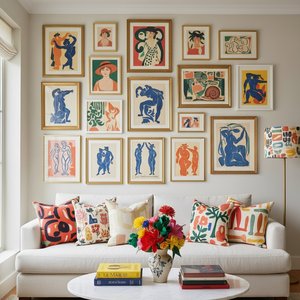
Henri Matisse: I 25 Capolavori Essenziali per Amare l'Arte e Decorare con Stile
Esplora i 25 capolavori di Henri Matisse, il maestro del fauvismo e dei colori vivaci. Scopri la storia, lo stile unico e l'impatto culturale di ogni dipinto. Trova riproduzioni arte di alta qualità per decorare casa tua su AllPaintingsStore.com.

Le 10 Opere d'Arte Più Rilassanti: Emozioni di Pace e Serenità |
Scopri le 10 opere d'arte più rilassanti di Monet, Van Gogh e Klimt. Esplora la storia, i colori e le emozioni che rendono questi capolavori senza tempo perfetti per creare un'atmosfera zen in casa. Acquista riproduzioni artistiche su !

Le 10 Opere d'Arte Più Rilassanti di Sempre | AllPaintingsStore
Scopri le 10 opere d'arte più rilassanti di sempre, da Monet a Van Gogh. Esplora la storia e il significato di capolavori iconici che evocano pace e serenità. Trova stampe artistiche di alta qualità per la tua casa su AllPaintingsStore.com

