


 Anteprima in scala reale
 Invia
Invia Condividi
 Dettagli opera

 Scarica immagine
 Simili
 Radiografia
 Slideshow
Mourning


 Espandi i dettagli
Giclée / Stampe d'arte
Stampa giclée o su tela di qualità museale, con produzione rapida e diverse opzioni di finitura. ( Acquista il dipinto realizzato a mano Acquista immagine)




P118B $10

P118H $10

P118W $10

P438Z $10

P508JH $12

P508YH $12

P805H $10

P805Z $10

P919BZ $10

P919G $10

P919XJ $10

P959ZH $10

P968JZ $12

W106C $8

W218G $10

W218JH $8

W218Y $10

W307PJ $10

W316G $10

W316PJ $8

W316Y $10

W398PJ $8

W4111J $10

W500HY $15

W500JH $15

W692G $12

W849H $8

W940BG $15

W953PJ $8




Scegli tra le nostre dimensioni predefinite, che rispettano le proporzioni originali dell'opera d'arte.

È possibile inserire dimensioni personalizzate per adattare l'opera a una cornice o a uno spazio specifico. Se la dimensione selezionata non corrisponde alle proporzioni dell'immagine originale, procederemo al ritaglio dell'opera o all'estensione dell'immagine con un bordo specchiato o a tinta unita. Un mockup digitale ti verrà inviato per approvazione prima dell'inizio della produzione.
Si prega di notare che l'anteprima a schermo non riflette il ritaglio o l'estensione effettivi. Solo il mockup mostrerà accuratamente la composizione finale.
Sebbene siano disponibili dimensioni personalizzate, si raccomanda di selezionare una dimensione dall'elenco predefinito per preservare le proporzioni originali.
Consegna in tutto il mondo () in 2 settimane invece delle normali 4/5 settimane. (22 Agosto)

Spedizione espressa gratuita in tutto il mondo

Tela in lino di alta qualità

Assicurazione completa sulla spedizione

Garanzia di rimborso dei dazi doganali

Garanzia di fedeltà cromatica

Politica di reso entro 60 giorni (solo per difetti di fabbricazione)

Garanzia di rimborso al 100%

Offerta per acquisti multipli
 L'opzione vetro è disponibile solo per dimensioni inferiori a 110 cm

Mourning
Giclée / Stampe d'arte
Dimensioni riproduzione
-


Prezzo totale calcolato
$ 64
Descrizione del pezzo
Umberto Boccioni’s ‘Mourning’: A Futurist Lament
Umberto Boccioni's 1910 painting, “Mourning,” is not simply a depiction of grief; it’s a visceral embodiment of the Futurist movement’s radical rejection of traditional artistic representation. This stark black and white image, featuring three central figures amidst a field of delicate flowers, immediately confronts the viewer with an unsettling tableau – a scene saturated with loss and rendered with a deliberate, almost violent energy. The photograph captures a moment frozen in time, yet vibrates with the dynamism that defined Boccioni’s artistic vision. The composition itself is deliberately fractured, mirroring the shattered emotional state of those depicted, and reflecting the Futurist desire to capture not just appearances but the *feeling* of movement and disruption.
Subject Matter and Composition
- Central Figures: Three individuals dominate the scene. One raises their hands to their face in a gesture of profound sorrow, while another holds what appears to be a deceased body – a poignant symbol of death and loss. The third figure mirrors this action, further intensifying the sense of mourning.
- Peripheral Figures: Two additional individuals are subtly placed at the edges, adding to the overall feeling of isolation and suggesting that grief is often experienced within a larger context of shared suffering.
- Floral Backdrop: The inclusion of flowers provides a jarring juxtaposition against the somber subject matter. This deliberate contrast elevates the work beyond a straightforward depiction of mourning, hinting at themes of beauty persisting even in the face of devastation – a common Futurist preoccupation with finding new forms of expression amidst chaos.
Technique and Style: The Language of Futurism
Boccioni’s technique is characterized by bold, fragmented brushstrokes and a flattened perspective— hallmarks of the Futurist style. He sought to represent not a static image but rather the *impression* of movement and disruption. Lines are deliberately broken and overlapping, creating a sense of instability and conveying the raw emotion of the scene. The monochromatic palette further amplifies this effect, stripping away any distractions and focusing attention on the stark forms and dramatic gestures. This approach reflects the Futurist fascination with speed, technology, and the dynamism of modern life – themes powerfully expressed through the distortion of form and space.
Historical Context and Symbolism
Created in 1910, “Mourning” emerged during a period of intense social and political upheaval in Italy. The Futurist movement was born out of a desire to break free from the perceived stagnation of traditional art and embrace the energy of the industrial age. Boccioni’s work reflects this broader cultural shift, using themes of death and loss as a means of exploring larger questions about modernity, progress, and humanity's place in a rapidly changing world. The act of holding the deceased bodies can be interpreted as a symbolic representation of confronting mortality – a central concern for many artists during this era.
Emotional Impact and Artistic Significance
"Mourning" is more than just a historical artifact; it’s a profoundly moving work that continues to resonate with viewers today. Boccioni's masterful manipulation of form, space, and emotion creates a powerful and unsettling experience. This painting stands as a testament to the Futurist movement's revolutionary spirit and its enduring influence on 20th-century art. A hand-painted reproduction offers an unparalleled opportunity to bring this iconic work into your home or office, allowing you to contemplate its complex themes and appreciate Boccioni’s groundbreaking artistic vision.
Opere simili


Biografia dell'artista
giovinezza e formazione
umberto boccioni, un pittore e scultore italiano fondamentale, nacque il 19 ottobre 1882 a Reggio Calabria, in Italia. Il lavoro del padre nel governo portò a frequenti trasferte in tutta Italia, influenzando la giovinezza di Boccioni. A 15 anni si stabilì a Catania, in Sicilia, dove completò gli studi. In seguito si trasferì a Roma per studiare arte all' Accademia di Belle Arti di Roma’s scuola libera del nudo e sotto la guida di Giovanni Mataloni, un artista poster dello stile liberty.il movimento futurista
L'approccio innovativo di Boccioni alla forma e alla decostruzione della massa ha avuto un impatto significativo sul mondo dell’arte. È diventato il teorico principale del movimento futurista, firmando il Manifesto dei Pittori Futuristi nel 1910. Le sue opere sono esposte in molti musei d’arte pubblici, inclusa una retrospettiva al Metropolitan Museum of Art di New York City nel 1988.opere notevoli e eredità
- Dynamism of a Human Body (futurismo, olio su tela), un dipinto che mostra lo stile unico di Boccioni.
- Dimensional Shapes of a Horse (40 x 40 cm, futurismo, olio su tela), un altro esempio del suo approccio innovativo alla forma.
- Unique Forms of Continuity in Space (futurismo, bronzo), una scultura che dimostra la sua decostruzione della massa solida.
link pertinenti da AllPaintingsStore.com
- dipinto di 'umberto boccioni' | umberto boccioni:dynamism of a human body (futurismo,olio su tela,)
- dipinto di 'umberto boccioni' | umberto boccioni:dimensional shapes of a horse (40 x 40 cm,futurismo,olio su tela,)
- dipinto di 'umberto boccioni' | umberto boccioni:lancers (futurismo,olio su tela,)
wikipedia: umberto boccioni
umberto boccioni, un influente pittore e scultore italiano. Ha contribuito a plasmare l'estetica rivoluzionaria del movimento futurista come uno dei suoi principali esponenti. nota: questo articolo è una traduzione dall’italiano, ma per finalità di analisi è stata tradotta nuovamente in inglese. La domanda originale era in italiano.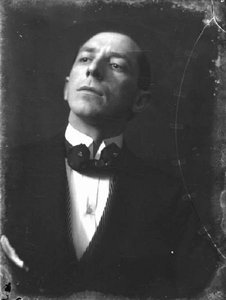
Umberto Boccioni
1882 - 1916 , Italia
Dati rapidi
- Artisti Influenti:
- Giovanni Mataloni
- Giacomo Balla
- Artisti Influenzati:
- Costruttivismo
- Espressionismo astratto
- Data Di Nascita: 19 ottobre 1882
- Luogo Di Nascita: Reggio Calabria, Italia
- Movimento Artistico: Futurismo
- Nazionalità: Italiana
- Nome Completo: Umberto Boccioni
- Opere Notevoli:
- Dinamismo di un corpo umano
- Forme Uniche della Continuità
- La città si alza
- Idolo Moderno
Articoli correlati

Timeless Contrast: A Professional Guide to Black and White Photography for Large-Scale Hotel Decor
A professional guide for hotel designers on utilizing black and white photography for large-scale decor. Learn to master scale, texture, and monochrome contrast to create impactful, high-end hospitality environments through efficient, bulk art procurement solutions.


