


 Anteprima in scala reale
 Invia
Invia Condividi
 Dettagli opera
 Guida
Guida

 Scarica
 Simili
 Radiografia
 Slideshow
 Statistiche
Visioni Simultanee
 Olio su tela
- Arte da parete
- Futurist Movement
 1911
1911- Moderno
 70.0 x 75.0 cm
 Espandi i dettagli
Giclée / Stampe d'arte
Stampa giclée o su tela di qualità museale, con produzione rapida e diverse opzioni di finitura. ( Acquista il dipinto realizzato a mano Passa all'immagine digitale)




P118B €10

P118H €10

P118W €10

P438Z €10

P508JH €12

P508YH €12

P805H €10

P805Z €10

P919BZ €10

P919G €10

P919XJ €10

P959ZH €10

P968JZ €12

W106C €8

W218G €10

W218JH €8

W218Y €10

W307PJ €10

W316G €10

W316PJ €8

W316Y €10

W398PJ €8

W4111J €10

W500HY €15

W500JH €15

W692G €12

W849H €8

W940BG €15

W953PJ €8




Scegli tra le nostre dimensioni predefinite, che rispettano le proporzioni originali dell'opera d'arte.

Inserisci la larghezza e l'altezza desiderate, per adattarle alla tua cornice o alla tua parete. Una stampa può essere solo ritagliata, mai resa più grande dell'immagine originale; pertanto, un formato con una forma differente comporterà la perdita di una parte dell'opera. Ti invieremo un mockup digitale da approvare prima di procedere con la stampa. L'immagine mostrata in questa pagina non rappresenta il ritaglio reale — solo il mockup lo mostra.
Consegna in tutto il mondo () in 2 settimane invece delle normali 4/5 settimane. (25 Ottobre)

Spedizione espressa gratuita in tutto il mondo

Tela in lino di alta qualità

Assicurazione completa sulla spedizione

Garanzia di rimborso dei dazi doganali

Garanzia di fedeltà cromatica assoluta

Politica di reso entro 100 giorni (solo per difetti di fabbricazione)

Garanzia di rimborso al 100%

Offerta per acquisti multipli
 L'opzione vetro è disponibile solo per dimensioni inferiori a 110 cm

Visioni Simultanee
Giclée / Stampe d'arte
Dimensioni riproduzione
-


Prezzo finale calcolato
€ 56
Simultaneous Visions: A Symphony of Motion and Fragmentation
Umberto Boccioni’s “Simultaneous Visions,” painted in 1911, stands as an emblem of Futurism—a movement that vehemently rejected academic tradition and embraced the dynamism inherent in modern life. Housed at the Von Der Heydt Museum in Wuppertal, Germany, this oil on canvas masterpiece isn't merely a depiction of a cityscape; it’s an assertion of artistic innovation, capturing the very essence of speed, technology, and the fractured perception of reality characteristic of the early 20th century.- Subject Matter: The painting portrays a bustling urban scene dominated by a woman positioned centrally, framed by figures at varying distances—a deliberate strategy to convey multiple viewpoints simultaneously. Alongside her is a car, symbolizing the burgeoning influence of industrial machinery and propelling the viewer into the heart of Futurist ideology.
- Style & Technique: Boccioni’s approach defied conventional representation. He employed “mass deconstruction,” fracturing forms into geometric planes that overlap and intersect, mirroring the fragmentation experienced during rapid movement. Diagonal lines dominate the composition, creating a palpable sense of energy and propelling the eye across the canvas.
- Historical Context: Futurism emerged in Italy in 1909, fueled by poets like Filippo Tommaso Marinetti who championed speed, violence, and the glorification of machines. “Simultaneous Visions” directly reflects these core tenets, positioning itself within a broader artistic rebellion against established norms.
Influences Beyond Futurism: Cubist Roots
Boccioni’s stylistic choices weren't born in isolation; they drew heavily from the principles of Cubism pioneered by Pablo Picasso and Georges Braque. Like Cubists, Boccioni dissected objects into geometric fragments, presenting multiple perspectives simultaneously—a technique that challenged viewers to reconsider their understanding of space and form. However, Futurism infused this approach with an unprecedented surge of energy, transforming it into a visceral expression of movement.
Symbolism & Emotional Resonance
Beyond its formal innovations, “Simultaneous Visions” carries profound symbolic weight. The woman’s posture—leaning out the window—represents contemplation amidst chaos, suggesting an attempt to grasp fleeting moments and capture the dynamism of urban life. The car embodies progress and technological advancement, yet it also hints at the dehumanizing effects of industrialization. Ultimately, Boccioni sought to evoke a feeling of disorientation and exhilaration—a reflection of the transformative experience of encountering modernity.
Legacy & Reproduction Availability
Despite his untimely death in 1916, Umberto Boccioni’s impact on subsequent generations of artists remains undeniable. “Simultaneous Visions” continues to inspire creativity and serves as a cornerstone of Futurist art history. For those desiring to experience the beauty and precision of this iconic artwork firsthand, AllPaintingsStore offers meticulously crafted oil painting reproductions—a chance to bring Boccioni's vision into your home or studio.
Discover More:Simultaneous Visions by Umberto BoccioniDomande e risposte
In quale stanza si consiglia di collocare "Visioni Simultanee" di Umberto Boccioni, considerando i suoi colori?
I colori Tonalità scure di "Visioni Simultanee" di Umberto Boccioni si armonizzano con l'ambiente consigliato: un/una Zona giorno.
Da dove provengono i visitatori di "Visioni Simultanee" di Umberto Boccioni?
Le statistiche relative a "Visioni Simultanee" di Umberto Boccioni sono consultabili nella pagina Statistiche dell'opera: visite mensili dell'opera, visite alle opere dell'artista e ripartizione dei visitatori recenti per paese e lingua.
Quali sono la tecnica e lo stile di "Visioni Simultanee"?
"Visioni Simultanee" di Umberto Boccioni unisce la tecnica Olio su tela allo stile Futurist Movement. La tecnica e il movimento definiscono la realizzazione e l'estetica dell'opera.
Opere simili


Biografia dell'artista
giovinezza e formazione
umberto boccioni, un pittore e scultore italiano fondamentale, nacque il 19 ottobre 1882 a Reggio Calabria, in Italia. Il lavoro del padre nel governo portò a frequenti trasferte in tutta Italia, influenzando la giovinezza di Boccioni. A 15 anni si stabilì a Catania, in Sicilia, dove completò gli studi. In seguito si trasferì a Roma per studiare arte all' Accademia di Belle Arti di Roma’s scuola libera del nudo e sotto la guida di Giovanni Mataloni, un artista poster dello stile liberty.il movimento futurista
L'approccio innovativo di Boccioni alla forma e alla decostruzione della massa ha avuto un impatto significativo sul mondo dell’arte. È diventato il teorico principale del movimento futurista, firmando il Manifesto dei Pittori Futuristi nel 1910. Le sue opere sono esposte in molti musei d’arte pubblici, inclusa una retrospettiva al Metropolitan Museum of Art di New York City nel 1988.opere notevoli e eredità
- Dynamism of a Human Body (futurismo, olio su tela), un dipinto che mostra lo stile unico di Boccioni.
- Dimensional Shapes of a Horse (40 x 40 cm, futurismo, olio su tela), un altro esempio del suo approccio innovativo alla forma.
- Unique Forms of Continuity in Space (futurismo, bronzo), una scultura che dimostra la sua decostruzione della massa solida.
link pertinenti da AllPaintingsStore.com
- dipinto di 'umberto boccioni' | umberto boccioni:dynamism of a human body (futurismo,olio su tela,)
- dipinto di 'umberto boccioni' | umberto boccioni:dimensional shapes of a horse (40 x 40 cm,futurismo,olio su tela,)
- dipinto di 'umberto boccioni' | umberto boccioni:lancers (futurismo,olio su tela,)
wikipedia: umberto boccioni
umberto boccioni, un influente pittore e scultore italiano. Ha contribuito a plasmare l'estetica rivoluzionaria del movimento futurista come uno dei suoi principali esponenti. nota: questo articolo è una traduzione dall’italiano, ma per finalità di analisi è stata tradotta nuovamente in inglese. La domanda originale era in italiano.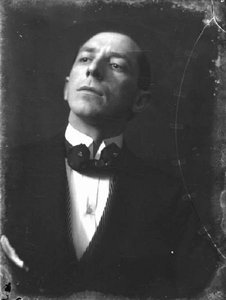
Umberto Boccioni
1882 - 1916 , Italia
Dettagli rapidi
- Artisti Influenti:
- Giovanni Mataloni
- Giacomo Balla
- Artisti Influenzati:
- Costruttivismo
- Espressionismo astratto
- Data Di Nascita: 19 ottobre 1882
- Luogo Di Nascita: Reggio Calabria, Italia
- Movimento Artistico: Futurismo
- Nazionalità: Italiana
- Nome Completo: Umberto Boccioni
- Opere Notevoli:
- Dinamismo di un corpo umano
- Forme Uniche della Continuità
- La città si alza
- Idolo Moderno
Articoli correlati

Riproduzioni d'Arte: Guida Comparativa tra Olio su Tela, Stampa su Cotone e Poster con Cornice
Scopri la guida completa alle riproduzioni d'arte: confronto tra olio su tela, stampa su cotone e poster. Scegli la qualità per arredare con stile!

Speed, Power, and Motion: A Definitive Guide to the Italian Futurist Art Movement
Explore the dynamic world of Italian Futurism. Discover how masters like Umberto Boccioni captured speed, power, and modernity through revolutionary techniques. A definitive guide for art historians and collectors seeking to understand the movement that redefined the machine age.

L'Eredità Duratura della Pittura a Olio Fatta a Mano: Valore Estetico, Longevità e Risonanza Emotiva
Scopri la storia, le tecniche e il valore della pittura a olio fatta a mano. Guide per collezionisti esperti, servizi di restauro e personalizzazione artistica con AllPaintingsStore.

Umberto Boccioni e la Scultura Futurista: Dinamismo, Spazio e l'Evoluzione della Forma Moderna
Esplora l'universo rivoluzionario di Umberto Boccioni e della scultura futurista. Analisi approfondite, opere iconiche come 'Forme Uniche...' e il suo impatto sull'arte moderna. Scopri la storia del Futurismo con AllPaintingsStore.

Dallo Schizzo all'Eredità: Il Processo Completo della Riproduzione Pittorica ad Olio
Scopri l'arte della riproduzione pittorica ad olio di alta qualità! Artisti esperti creano copie fedeli e personalizzate dei tuoi capolavori preferiti. Consulenza gratuita e materiali pregiati per un risultato autentico e duraturo.


