Anteprima in scala reale
 Invia
Invia Condividi
 Dettagli opera
 Guida
Guida

 Scarica
 Simili
 Radiografia
 Slideshow
 Domande e risposte
 Statistiche
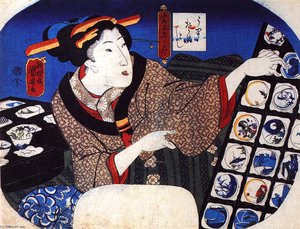
The actor (12)

 Espandi i dettagli
Giclée / Stampe d'arte
Stampa giclée o su tela di qualità museale, con produzione rapida e diverse opzioni di finitura. ( Acquista il dipinto realizzato a mano Passa all'immagine digitale)




P118B €10

P118H €10

P118W €10

P438Z €10

P508JH €12

P508YH €12

P805H €10

P805Z €10

P919BZ €10

P919G €10

P919XJ €10

P959ZH €10

P968JZ €12

W106C €8

W218G €10

W218JH €8

W218Y €10

W307PJ €10

W316G €10

W316PJ €8

W316Y €10

W398PJ €8

W4111J €10

W500HY €15

W500JH €15

W692G €12

W849H €8

W940BG €15

W953PJ €8




Scegli tra le nostre dimensioni predefinite, che rispettano le proporzioni originali dell'opera d'arte.

Inserisci la larghezza e l'altezza desiderate, per adattarle alla tua cornice o alla tua parete. Una stampa può essere solo ritagliata, mai resa più grande dell'immagine originale; pertanto, un formato con una forma differente comporterà la perdita di una parte dell'opera. Ti invieremo un mockup digitale da approvare prima di procedere con la stampa. L'immagine mostrata in questa pagina non rappresenta il ritaglio reale — solo il mockup lo mostra.
Consegna in tutto il mondo () in 2 settimane invece delle normali 4/5 settimane. (8 Novembre)

Spedizione espressa gratuita in tutto il mondo

Tela in lino di alta qualità

Assicurazione completa sulla spedizione

Garanzia di rimborso dei dazi doganali

Garanzia di fedeltà cromatica assoluta

Politica di reso entro 100 giorni (solo per difetti di fabbricazione)

Garanzia di rimborso al 100%

Offerta per acquisti multipli
 L'opzione vetro è disponibile solo per dimensioni inferiori a 110 cm

The actor (12)
Giclée / Stampe d'arte
Dimensioni riproduzione
-


Prezzo finale calcolato
€ 58
A Window Into Edo Japan: Kuniyoshi's "The Actor" – A Symphony of Color and Drama
Utagawa Kuniyoshi’s “The Actor,” executed in 1847, stands as a quintessential example of *shunga*, the Japanese erotic woodblock print genre that flourished during the Edo period (1603-1868). More than just a depiction of theatrical performance, this triptych delves into themes of beauty, masculinity, and fleeting moments captured in exquisite detail—a testament to Kuniyoshi’s mastery of technique and his profound understanding of Japanese aesthetics. Produced by Ichimura Uzaemon XII for the prestigious Gobuji Chūshingura series, commissioned to commemorate the heroic tale of samurai loyalists defending Edo Castle against Tokugawa forces, “The Actor” embodies the spirit of its time—a fascination with idealized figures and a celebration of artistic virtuosity.- Subject Matter: The print portrays Ichimura Uzaemon XII as Tada Kurodo Yukitsuna, a prominent Kabuki actor known for his dramatic performances and captivating stage presence. Kuniyoshi meticulously captures Yukitsuna’s posture—a deliberate pose designed to convey nobility and strength—emphasizing the importance of gesture and expression within Japanese theater traditions.
- Style & Technique: Kuniyoshi employed a bold, expressive style characteristic of *shunga*, utilizing thick black outlines and vibrant colors achieved through multiple blocks of pigment applied to the wood surface. The artist’s masterful use of tonal gradation—particularly in the background—creates depth and atmosphere, transporting viewers into the theatrical space depicted.
- Historical Context: “The Actor” reflects the Edo period's obsession with idealized beauty and heroic narratives. Gobuji Chūshingura itself was a popular tale celebrating samurai loyalty and courage, mirroring broader societal values during this era. Kuniyoshi’s inclusion of tattoos—a symbol of honor and warrior identity—further reinforces these themes, demonstrating his awareness of cultural conventions.
- Symbolism: The intricate patterns adorning Yukitsuna's kimono serve as visual metaphors for status and refinement—elements central to Edo society’s hierarchical structure. Furthermore, Kuniyoshi’s careful composition directs the viewer’s gaze towards Yukitsuna’s face, highlighting the importance of facial expression in conveying emotion and embodying character within Kabuki performances.
- Emotional Impact: Despite its erotic undertones—a common feature of *shunga*— “The Actor” transcends mere sensuality to evoke feelings of admiration for beauty and contemplation on the ephemeral nature of human experience. Kuniyoshi’s artistic vision captures a moment frozen in time, inviting viewers to appreciate the artistry and cultural significance of Edo Japan.
Domande e risposte
A quale stile appartiene "The actor (12)"?
"The actor (12)" è un'opera di Ukiyo-e. Il movimento indica la tradizione artistica di cui l'opera fa parte.
Dove si consiglia di esporre il formato Square di "The actor (12)"?
Con il suo formato Square, una riproduzione di "The actor (12)" è ideale per un Living Room.
Che emozione trasmettono i colori di "The actor (12)" di Utagawa Kuniyoshi?
"The actor (12)" di Utagawa Kuniyoshi unisce una tavolozza Neutrals a un tono Reflective.
Opere simili


Biografia dell'artista
Biografia e Contributi Artistici
Utagawa Kuniyoshi, un rinomato artista giapponese, nacque il 1° gennaio 1798 in Giappone e morì il 14 aprile 1861. Fu uno degli ultimi grandi maestri dello stile giapponese ukiyo-e di stampe xilografiche e pittura, e membro della scuola Utagawa.Primi Anni e Formazione
- Kuniyoshi trascorse i suoi primi anni aiutando nell'attività di tintoria di seta del padre, dove sviluppò un occhio per il colore e i motivi tessili.
- All'età di sette o otto anni, fu colpito dalle stampe ukiyo-e di guerrieri e immagini di artigiani, che in seguito influenzarono la sua opera.
Carriera Artistica
- Il talento artistico di Kuniyoshi fu riconosciuto all'età di 12 anni, portando al suo apprendistato sotto il famoso maestro delle stampe ukiyo-e Utagawa Toyokuni.
- Diventò uno dei principali allievi di Toyokuni e gli fu dato il nome "Kuniyoshi" nel 1811.
- Il suo primo lavoro pubblicato, le illustrazioni per kusazōshi gōkan gobuji chūshingura, una parodia della storia originale di Chūshingura, segnò il suo debutto come artista indipendente.
Opere Notabili e Contributi
- **Cento Otto Eroi del Popolare Suikoden**: questa serie, basata sul racconto cinese Shuihu Zhuan, presentò lo stile unico di Kuniyoshi e divenne estremamente popolare a Edo.
- **Il Fantasma di Taira no Tomomori nella Baia di Daimotsu**: questo lavoro dimostrò la capacità di Kuniyoshi di evocare un senso efficace di intensità dell'azione nella sua rappresentazione dei combattimenti.
- **Il Ponte Gōjō**: questo trittico del 1839 presentò lo stile tematico di Kuniyoshi, che soddisfaceva l'interesse del pubblico per il macabro, l'eccitante e il bizzarro.
Influenza e Eredità
- L'opera d'arte di Kuniyoshi incorporava aspetti della rappresentazione occidentale nella pittura paesaggistica e nel caricaturismo.
- La sua influenza sull'arte ukiyo-e è evidente nella sua miscela unica di elementi tradizionali giapponesi con tecniche occidentali.
- Kuniyoshi ha introdotto nuovi temi come eroi cinesi, storie soprannaturali e commenti satirici, sperimentando anche con la prospettiva in stile occidentale e le sfumature.
- Visualizza l'autoritratto di Kuniyoshi dell'album shunga (ukiyo-e) su AllPaintingsStore.
- Esplora altre opere d'arte di Utagawa Kuniyoshi su AllPaintingsStore.
- Leggi di più su Utagawa Kuniyoshi su Wikipedia.
Conclusione
Utagawa Kuniyoshi rimane una figura significativa nell'arte ukiyo-e giapponese, noto per i suoi soggetti diversi e l'innovativa miscela di tecniche tradizionali e occidentali. La sua eredità continua a ispirare artisti e appassionati d'arte. Importante: questo articolo si basa sulle informazioni fornite da AllPaintingsStore.com e wikipedia.org, concentrandosi sulla biografia di Kuniyoshi, la carriera artistica, le opere notevoli, l'influenza e l'eredità.
Utagawa Kuniyoshi
1797 - 1861 , Giappone
Dettagli rapidi
- Artisti Influenti: ['Utagawa Toyokuni']
- Artisti Influenzati: ['Tsukioka Yoshitoshi']
- Data Di Morte: 14 aprile 1861
- Data Di Nascita: 1 gennaio 1798
- Luogo Di Nascita: Tokyo, Giappone
- Movimento Artistico: Ukiyo-e
- Nazionalità: Giapponese
- Nome Completo: Utagawa Kuniyoshi
- Opere Notevoli:
- Cento e otto eroi del Suikoden
- Il fantasma di Taira no Tomomori
- Il ponte Gōjō
Articoli correlati

Ukiyo-e: The Art of the Floating World and the Legacy of Japanese Woodblock Masters
Explore the profound history of Ukiyo-e, from Hokusai's iconic waves to the vibrant culture of Edo Japan. Discover the intricate craft of woodblock printing and the enduring legacy of these Japanese masterpieces through our expert art history guide.

L'Incanto della Xilografia: Storia e Segreti dell'Arte Ukiyo-e
Scopri i segreti e la tecnica della xilografia Ukiyo-e tra maestri come Hokusai. Immergiti nella storia del mondo fluttuante giapponese.

Utagawa Kuniyoshi: Innovazione Narrativa e Fusione di Tradizione nell'Ukiyo-e Giapponese
Esplora l'innovativa arte di Utagawa Kuniyoshi e la sua rivoluzionaria fusione tra tradizione e cultura popolare nell'Ukiyo-e giapponese. Scopri tecniche, influenze e l'eredità di questo maestro.

Floating Worlds: A Definitive Guide to the Mastery and Philosophy of Japanese Ukiyo-e Woodblock Prints
Explore the profound beauty of Ukiyo-e. Discover the history, philosophy, and legendary masters of Japanese woodblock prints, from Hokusai to Kuniyoshi, in this expert guide to the 'Floating World'.

I 25 Capolavori di Hokusai: L'Incanto dell'Onda e del Monte Fuji
Scopri i 25 capolavori di Hokusai e l'anima dell'Ukiyo-e. Esplora la collezione su AllPaintingsStore.com.