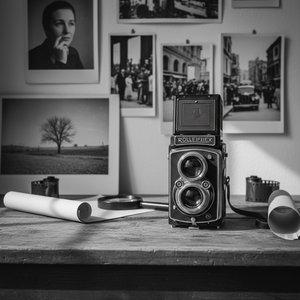
1940. , 93.0 x 72.0 cm.

§ 1Catalogue data
 Harlem Renaissance
 1940
1940- Modern
 93.0 x 72.0 cm
Quest'opera è protetta da copyright
L'opera d'arte visualizzata in questa pagina è protetta dalle leggi sul diritto d'autore, il che significa che non possiamo legalmente creare o vendere una riproduzione identica. Tale protezione è garantita da accordi internazionali quali la Convenzione di Berna e dalle leggi nazionali, incluse quelle stabilite da Legge sul copyright degli Stati Uniti - Titolo 17. Tutti i diritti riservati. Le immagini presenti su questo sito sono protette da copyright e non possono essere riprodotte o utilizzate senza l'autorizzazione scritta di WahooArt.com o dei rispettivi proprietari del copyright.
Come alternativa rispettosa e legale, offriamo opere d'arte personalizzate e dipinte a mano, ispirate all'originale. I nostri artisti esperti e professionisti studiano con cura lo stile, l'atmosfera e l'essenza artistica dell'opera originale per creare un pezzo nuovo e unico che evochi la stessa emozione, pur rimanendo una creazione originale a pieno titolo.
Questo metodo è pienamente conforme alle normative sul diritto d'autore poiché non prevede la copia o la duplicazione dell'opera protetta. Si tratta invece di una rielaborazione creativa: un nuovo dipinto che trae ispirazione dall'originale, senza tuttavia esserne identico.
 Scopri di più
§ 2Abstract
Descrizione del reperto
A poignant black and white depiction of a quiet moment between two figures at a cafe by Harlem Renaissance master William H. Johnson invites you to explore the soulful depth of this 1940 modernist masterpiece.
Biografia dell'artista
William H. Johnson (1901-1970) fu un pittore americano fondamentale del Rinascimento Harlem, noto per i suoi ritratti espressivi e le rappresentazioni dallo stile folk della vita afroamericana. Scopri le sue opere più importanti!
§ 3Commentary
A Quiet Moment in Time: The Intimacy of Café
In the evocative stillness of 1940, William H. Johnson captured a fragment of urban life that transcends the simple act of sitting in a cafe. This monochrome masterpiece invites the viewer into a private, almost cinematic moment between two figures. The composition centers on a man and a woman, their presence anchored by the weight of shared silence and the clinking of glassware. As they sit at their table, surrounded by the humble artifacts of a midday break—cups, a wine glass, and even the modern intrusion of a cell phone—there is a profound sense of stillness that halts the frantic pace of the outside world. The black and white palette strips away the distractions of color, forcing our gaze to linger on the textures of fabric, the play of light on glass, and the subtle geometry of their arrangement.
The technique employed here reflects Johnson’s unique ability to blend modernist sensibilities with a deeply grounded, soulful realism. While his later works became celebrated for their vibrant, folk-inspired colors and bold abstractions, this piece demonstrates a masterful command of tonal range and structural composition. The artist uses light and shadow to sculpt the figures, giving them a physical presence that feels both monumental and fragile. There is a rhythmic quality to the placement of objects on the table, creating a visual melody that guides the eye from the man’s hat and tie to the delicate curve of a woman's white top. This careful balance of form ensures that the painting functions not just as a portrait of people, but as a study of space and atmosphere.
Beyond its aesthetic beauty, Café carries an emotional resonance that speaks to the universal human experience of companionship and solitude. Within the historical context of the mid-20th century, Johnson’s work often navigated the complexities of identity and social connection. Here, the subjects exist in a sanctuary of their own making, shielded from the broader societal shifts of the era. The presence of the partially visible figure in the background adds a layer of depth, reminding us that while this moment feels private, it is part of a larger, breathing world. For the collector or interior designer, this piece offers more than mere decoration; it provides a focal point of contemplative elegance. It is an artwork that breathes life into a room, offering a sophisticated window into a quiet, timeless intersection of human connection.
Domande e risposte
Che intensità cromatica ha "Café" di William H. Johnson?
I colori di "Café" di William H. Johnson hanno un'intensità Balanced.
Chi ha creato "Café" e in quale stile è realizzato?
L'opera "Café" è opera di William H. Johnson e appartiene al movimento Harlem Renaissance.
Qual è la tonalità dominante di "Café"?
Una tonalità Green to Violet Spectrum attraversa l'opera "Café" di William H. Johnson.


 Passa alle stampe


 Per opere d'arte o riproduzioni con un lato superiore a 105 cm (circa 41 pollici), la cornice verrà spedita in forma di kit smontato. Questo metodo garantisce una consegna sicura e previene danni durante il trasporto.