L'Anima del Realismo Norvegese: La Vita e l'Eredità di Hans Heyerdahl
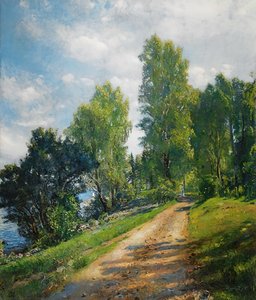
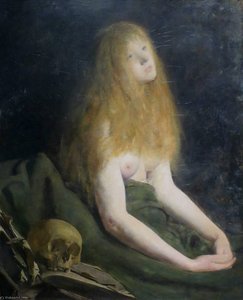
Hans Olaf Halvor Heyerdahl è stato un maestro dei momenti silenziosi e profondi che definiscono la condizione umana. Nato nel 1857 a Smedjebacken, in Svezia, i suoi primi anni furono segnati dal trasferimento a Drammen, in Norvegia, dove il mondo strutturato di suo padre — un eminente ingegnere e architetto — fornì uno sfondo di disciplina e osservazione. Sebbene inizialmente avesse inteso seguire questo percorso di precisione tecnica, la chiamata del pennello si rivelò irresistibile. Il suo viaggio, da studente d'arte applicata a celebre pittore del movimento Realista, è una testimonianzione di un talento innato che cercava di catturare non solo la superficie del mondo, ma la sua stessa essenza attraverso la luce, la trama e l'emozione. La sua evoluzione artistica fu plasmata dalle grandi capitali dell'arte europea, creando una sofisticata sintesi di stili. Dopo gli studi fondamentali a Christiania sotto la guida di Peder Cappelen Thurmann, Heyerdahl si avventurò a Monaco, dove l'influenza di Wilhelm Lindenschmit e Ludwig von Löfftz si rivelò trasformativa. Fu proprio qui che il suo interesse si spostò dal semplice studio del paesaggio verso le grandi narrazioni della pittura storica e la intima profondità psicologica del ritratto. Questo periodo di rigore accademico fu successivamente mitigato dalla vibrante atmosfera luminosa di Parigi. Immersosi nei circoli parigini tra il 1878 e il 1882, abbracciò le sfumature del naturalismo e la nascente influenza dell'Impressionismo, imparando a osservare il mondo all'aperto con una rinnovata e sensoriale chiarezza.Maestria della Forma e della Narrazione
La brillantezza dell'opera di Heyerdahl risiede nella sua capacità di coniugare temi monumentali con un realismo meticoloso. Uno dei suoi più celebri successi precoci fu la partecipazione all'Esposizione Universale del 1878, dove ottenne una medaglia di terzo posto per la sua evocativa tela, Adam og Eva drives ut av paradiset. Quest'opera, che ritrae l'espulsione biblica dall'Eden, mostrò la sua capacità di narrazione drammatica e un pennello espressivo, dimostrando come potesse affrontare soggetti storici di grande scala con comando tecnico e profondo peso spirituale. Oltre alle grandi narrazioni, Heyerdahl trovò la sua forza maggiore nello studio intimo dei suoi soggetti. I suoi ritratti sono molto più di semplici somiglianze; sono finestre aperte sul carattere dei suoi modelli. Che catturi un distinto gentiluomo in toni accademici e smorzati o la bellezza serena e suggestiva di una giovane ragazza su una spiaggia, il suo lavoro è caratterizzato da:- Un profondo impegno verso il naturalismo, assicurando che ogni piega del tessuto e ogni riflesso di luce appaiano tangibilmente reali.
- Un uso esperto dell'armonia tonale, impiegando spesso palette sottili e tenui per evocare umore e atmosfera.
- Un delicato equilibrio tra precisione tecnica e la libertà espressiva presente nelle sue opere successive, più orientate all'osservazione diretta.
Un'Impressione Duratura nella Storia dell'Arte
In quanto pioniere del Realismo norvegese, l'importanza di Heyerdahl si estende ben oltre le sue singole tele. Egli agì come un ponte tra gli stili accademici tradizionali di Monaco e le sensibilità moderne e luminose che emergevano dalla Francia. Portando queste influenze internazionali in Norvegia, contribuì ad arricchire l'identità artistica nazionale, alimentando un movimento che cercava la bellezza nella realtà autentica e non adornata della vita quotidiana e del paesaggio naturale. Sebbene la sua vita si sia conclusa nel 1913, l'eredità di Hans Heyerdahl rimane incisa negli annali dell'arte scandinava. La sua capacità di catturare la dignità dello spirito umano e la quieta maestosità del mondo naturale assicura che il suo lavoro continui a risuonare negli spettatori contemporanei. Osservare un dipinto di Heyerdahl significa sperimentare un momento congelato nel tempo — un istante reso con tale sincerità e abilità che i confini tra il mondo dipinto e il nostro sembrano dissolversi.Domande e risposte
Dove si possono trovare le opere di Hans Heyerdahl raggruppate per parole chiave?
Le opere di Hans Heyerdahl possono essere esplorate tramite parole chiave nella pagina Per parole chiave dell'artista. Ogni parola chiave raggruppa le opere correlate.
Esiste una linea del tempo delle opere di Hans Heyerdahl?
È disponibile una cronologia delle opere di Hans Heyerdahl: la pagina Cronologia delle opere dell'artista presenta le opere in ordine cronologico.
Esiste una cronologia della carriera di Hans Heyerdahl?
La carriera di Hans Heyerdahl si svela periodo dopo periodo nella pagina Cronologia artistica: una linea temporale orizzontale delle opere, raggruppate in capitoli relativi ai vari periodi della sua carriera.