Vita giovanile, famiglia e formazione artistica
Pieter De Hooch nacque il 20 dicembre 1629 a Rotterdam, nei Paesi Bassi. Era il primogenito di cinque figli nati da Hendrick Hendricksz de Hooch, un maestro muratore, e Annetge Pieters, una levatrice. Questa crescita all'interno di una famiglia di artigiani esperti fornì probabilmente una comprensione precoce della struttura e della natura meticolosa del mestiere. Sebbene i dettagli specifici della sua infanzia rimangano in parte sfumati, le sue radici in un nucleo familiare della classe lavoratrice, in una vivace città portuale, hanno plasmato le fondamenta della sua vita successiva.
La sua formazione artistica formale ebbe luogo a Haarlem, dove si allontanò dalla sfera domestica della sua giovinezza per inseguire le esigenze tecniche della pittura. Studiò sotto la guida del pittore di paesaggi Nicolaes Berchem, un periodo che coincise con la formazione di altri artisti contemporanei come Jacob Ochtervelt. Questa istruzione a Haarlem fornì le basi essenziali per il suo sviluppo, introducendolo all'osservazione disciplinata necessaria per rappresentare il mondo con precisione.
Durante questi anni formativi, De Hooch fu allievo di Claes Berchem. Questo addestramento aiutò a coltivare l'occhio per il dettaglio e il senso dell'ordine spaziale che avrebbero infine definito la sua produzione professionale. Attraversò queste prime fasi di apprendimento con un focus sul naturalismo che caratterizzava l'epoca, preparandosi a una carriera trascorsa a osservare i ritmi silenziosi dell'esistenza quotidiana.
Attività a Rotterdam, Delft e Amsterdam
Il percorso professionale dell'artista si snodò attraverso i principali centri urbani dei Paesi Bassi, tracciando una traiettoria che partiva dalle sue origini per giungere ai suoi anni maturi. La sua prima fase della carriera si svolse a Rotterdam, dove iniziò la sua vita professionale, prima che la sua presenza venisse ufficialmente registrata a Delft il 5 agosto 1652. Durante questo periodo trascorso a Delft, risiedette in Oude Delft 161, una posizione che lo collocava nel cuore pulsante di una fiorente comunità artistica. Il suo status formale nella città si consolidò quando divenne membro della Gilda di San Luca di Delft, un incarico che mantenne dal 1654 al 1657.
Con il progredire della sua carriera, la geografia della sua esistenza mutò ulteriormente. Entro il 1661, si era trasferito ad Amsterdam, segnando una transizione verso un ambiente sociale e artistico differente. Questo spostamento tra le città rifletteva il mutamento dei centri del commercio e della cultura durante l'Età dell'Oro olandese. Le sue opere in quegli anni catturarono la quiete della vita domestica e la geometria strutturata degli spazi interni, utilizzando spesso la tecnica del doorkijkje, ovvero la veduta attraverso una porta, per connettere l'intimità delle stanze private con il mondo esterno.
Mecenati, Bottega e Commissioni
La traiettoria della carriera di Pieter De Hooch fu strettamente legata al mecenatismo della classe mercantile, un rapporto che spesso sfumava i confini tra l'arte professionale e il servizio domestico. A Rotterdam, egli trovò impiego non solo come pittore, ma anche come servitore presso Justus de la Grange, un mercante di lino e collezionista d'arte. Questo tipo di accordo rappresentava una necessità comune per molti artisti dell'epoca, garantendo un sostentamento costante in cambio di lavoro e lealtà. Entro il 1653, il suo servizio presso de la Grange era diventato un tratto distintivo della sua vita professionale, costringendolo ad accompagnare il mercante in viaggi attraverso L'Aia, Leida e Delft.
Questo periodo di servizio probabilmente dettò gran parte dei suoi spostamenti e dei soggetti a lui accessibili. È probabile che l'artista abbia consegnato una parte significativa della sua produzione a de la Grange in cambio di vitto e altri benefici essenziali. Tali accordi significarono che gran parte della sua opera fu assorbita da collezioni private molto presto, spesso prima ancora di poter raggiungere un pubblico più vasto. La sua presenza nella casa del mercante gli fornì un ambiente stabile, ma al contempo legò la sua produzione creativa ai bisogni e ai gusti specifici di un unico, influente collezionista.
Tecnica e Stile Artistico
Pieter De Hooch possedeva una capacità singolare di organizzare la quiete di una stanza. Le sue composizioni si affidavano spesso a una sofisticata disposizione spaziale, impiegando frequentemente la sua caratteristica tecnica del doorkijkje, ovvero la "visione attraverso la porta". Inquadrando una stanza secondaria o un cortile lontano attraverso un portale aperto, egli infondeva un senso di profondità e continuità all'interno dell'ambiente domestico. Questo metodo gli permetteva di connettere il santuario privato della casa con il mondo esterno, creando una prospettiva stratificata che guidava l'occhio attraverso l'architettura della vita quotidiana.
Il suo trattamento della luce era al contempo preciso e atmosferico. Attraverso un uso meticoloso del chiaroscuro, permetteva alla luce solare di filtrare dalle finestre, scolpendo le texture del legno consumato, dei tessuti lisci e delle fredde piastrelle del pavimento. Questa luce non si limitava a illuminare; essa definiva l'essenza stessa dell'aria all'interno della scena. Egli prediligeva una tavolozza di toni terrosi, creme soffusi e ombre profonde, che conferivano un senso di naturalismo ai suoi soggetti. Queste raffigurazioni di attività banali — una donna che sbuccia verdure o una madre che si prende cura di un bambino — riflettevano i valori di una classe media emergente che trovava dignità nell'ordine domestico e in un raffinato, silenzioso decoro.
Sebbene la sua precisione tecnica fosse elevata, esisteva un certo fascino privo di pretese nelle sue figure. Esse venivano spesso rese con un focus sulla realtà tattile del loro ambiente, dalla trama pesante di un indumento alla superficie lucida di un tavolo. Questa attenzione al dettaglio assicurava che anche il più semplice rituale domestico sembrasse radicato in una realtà tangibile e vissuta.
Opere Chiave e Capolavori Celebri
La straordinaria capacità di Pieter De Hooch di organizzare lo spazio domestico trova la sua massima espressione forse in Il cortile di una casa a Delft. Quest'opera incarna perfettamente il suo approccio distintivo alla luce e alla profondità architettonica. In una direzione affine, Una donna e la sua serva in un cortile, dipinto nel 1658, dimostra la sua maestria nel catturare la quiete dei passaggi tra l'esterno e l'interno. Queste composizioni si affidano spesso a una geometria rigorosa per guidare lo sguardo dell'osservatore attraverso l'intera scena.
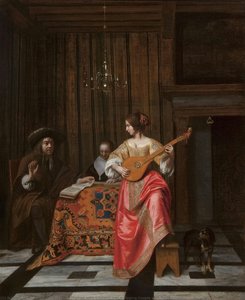
Gli ultimi anni della sua vita videro un costante approfondimento dell'intimità domestica. Nel 1664, l'artista realizzò Donna che legge una lettera, un'opera in cui la luce viene utilizzata per definire con precisione le texture del legno e dei tessuti. Persino negli anni conclusivi, la sua precisione tecnica rimase intatta; Concert, risalente al 1680, resta un esempio significativo della sua produzione tardiva. Le sue prime esplorazioni della vita da taverna sono invece rintracciabili in Il bicchiere vuoto, dove applicò il suo senso della prospettiva in evoluzione a contesti più sociali e vivaci.
Il Rijksmuseum custodisce Una madre che depila i pidocchi al figlio, un dipinto che cattura un frammento di vita quotidiana tenero e privo di artifici. Attraverso opere di questo genere, Pieter De Hooch ha trasformato i rituali banali del XVII secolo in momenti di profonda quiete. La sua intera produzione artistica è definita da questa capacità unica di scorgere l'ordine all'interno della sfera domestica.
Eredità e influenza sull'arte
Pieter De Hooch rimane un pilastro fondamentale del Secolo d'Oro olandese, un'epoca definita da un'intensa fioritura artistica. Il suo dominio nel gioco di luci e ombre ha fornito le basi per lo sviluppo della pittura barocca. Catturando il modo in cui la luce filtra attraverso una porta o si deposita su un pavimento piastrellato, egli è andato oltre la mera rappresentazione per esplorare le qualità atmosferiche di una stanza. Le sue composizioni condividevano spesso basi tematiche e somiglianze strutturali con le opere di Emanuel de Witte, in particolare nel loro approccio agli spazi interni.
L'estensione della sua influenza raggiunge movimenti molto più tardi, lasciando un segno sia nel Realismo che nell'Impressionismo. La sua capacità di trovare dignità nel quotidiano ha permesso agli artisti successivi di guardare alla sfera domestica come a un soggetto degno di un serio studio. Egli ha trasformato la quiete di una casa in una realtà strutturata e geometrica, enfatizzando l'ordine e la stabilità della classe media emergente. Questa attenzione alle texture della vita quotidiana — la venatura del legno, la trama del tessuto e il tenue bagliore di una finestra — ha contribuito a plasmare il linguaggio visivo delle generazioni successive.
Domande e risposte
Con quali pseudonimi o nomi alternativi è conosciuto Pieter De Hooch?
Pieter De Hooch è noto anche con il nome di Pieter Hendricksz De Hooch, Pieter Hoogh, Pieter Hooghe.
A quale periodo storico appartiene l'opera di Pieter De Hooch?
Pieter De Hooch ha operato nel periodo Età Moderna, collocando storicamente la sua attività.
Posso sfogliare le opere di Pieter De Hooch in base all'umore?
La pagina Spazi d'atmosfera dell'artista presenta le opere di Pieter De Hooch suddivise per atmosfera.