100日間返金保証 世界中へ送料無料
646,446作品一覧 53,409アーティスト一覧 5,406美術館・博物館 32言語設定
Max Kurzweilの肖像画

Max Kurzweilの名作:最も有名な作品トップ21選(ランキング形式)

10月 2026 更新 · 当サイトの人気スコア(各作品の検索数、閲覧数、注文数)に基づくランキング · 22点の Max Kurzweilの作品がカタログにあります

クイック回答

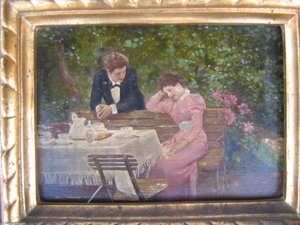
Max Kurzweilの最も有名な作品はLady in Yellow Dress (1899)です。 Bettina Bauer (1908)とA Dear Visit (1894)は、2と3です。 当カタログに含まれるMax Kurzweilの全22作品の中から、特に有名な21作品を、制作年と所蔵美術館とともにランキング形式でご紹介します。これらを参考に、ご注文する絵画をお選びください。

1867 – 1916, Bzenec Expressionism 最多収蔵館: ロサンゼルス・カウンティ・ミュージアム・オブ・アート

Max Kurzweilの名作トップ10ランキング

Max Kurzweil の絵画ランキング 11位〜21位

Max Kurzweilの主題別絵画

このランキングで最も頻繁に登場する4つの主題と、それぞれの主題における代表作。

Max Kurzweilの原画を所蔵する美術館

このページに掲載されている絵画を最も多く所蔵している 2 の美術館

美術館 都市 Max Kurzweilの作品 このリストの絵画
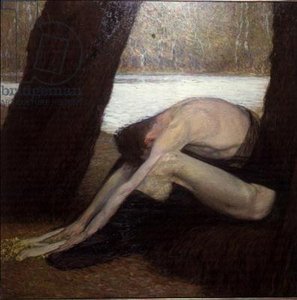
ロサンゼルス・カウンティ・ミュージアム・オブ・アート, ロサンゼルスロサンゼルス・カウンティ・ミュージアム・オブ・アート ロサンゼルス 1 Seated nude facing right and meditating
Secession, ウィーンSecession ウィーン 1 Withdrawal letter from Max Kurzweil, June 15, 1905

Max Kurzweilの年代別:各年代の代表作

年代別作品数

年代を選択して、その時代の代表的な絵画を表示します。

Max Kurzweil の絵画に関するよくある質問

Max Kurzweilの最も有名な作品は何ですか?回答を表示

Lady in Yellow Dress (1899)が第1位、次いでBettina Bauer (1908)、A Dear Visit (1894)の順となっています。

Lady in Yellow Dressが描かれたとき、Max Kurzweilは何歳でしたか?回答を表示

Max Kurzweilの享年は32歳です。Lady in Yellow Dressの制作年は1899年で、Max Kurzweilは1867年に生まれました。

Max Kurzweilの代表的な絵画トップ10は?回答を表示

Lady in Yellow Dress, Bettina Bauer, A Dear Visit, Seated nude facing right and meditating, The Farrier, The fisherman, Christ, A walk in the garden, The Pond (Concarneau) と Blue Seascape in Moonlight。各作品の制作年および所蔵美術館は、上記のランキングに記載されています。

Max Kurzweilによる作品は何点掲載されていますか?回答を表示

Max Kurzweilによる作品が22点、1894年から1915年にかけてのものがカタログに掲載されています。

Max Kurzweilの原画はどこに保管されていますか?回答を表示

主にロサンゼルス・カウンティ・ミュージアム・オブ・アート (ロサンゼルス) と Secession (ウィーン)に所蔵されています。全リストについては、上記の美術館一覧をご参照ください。

Max Kurzweilの最も有名な作品は、どの時代のものですか?回答を表示

1900s年:ここにランクインしている21点の絵画のうち、12点がその時代の作品で、Bettina Bauerなどが含まれます。

Max Kurzweilによる最も初期の作品と、最も後年の有名な作品は何ですか?回答を表示

このページで最も古い作品: A Dear Visit (1894)。最新の作品: Christ (1915)。

Max Kurzweilの作品の主な主題は何ですか?回答を表示

ここにランクインしている21点の絵画のうち、対象となるのはWomen (3), Children (2) と Beach (2)です。

Max Kurzweilはどの芸術運動に関連していますか?回答を表示

このページに掲載されている絵画に基づいたExpressionism と Art nouveau

Max Kurzweilの複製画を注文することはできますか?回答を表示

はい。このページに掲載されているすべての絵画は、手描きの油彩複製画、またはプリントとしてご注文いただけます。絵画を選択し、サイズを選んで注文を確定してください。

アーティストについて: Max Kurzweil

The Bohemian Roots of a Viennese Visionary

Born amidst the evocative landscapes of Bisenz, Bohemia, Maximilian Franz Viktor Zdenko Marie Kurzweil carried the romantic sensibilities of his youth into the heart of the Austro-Hungarian Empire. His relocation to Vienna in 1879 marked the beginning of a transformative era for both the artist and the city itself, as he moved from the quietude of his Czech origins toward the vibrant, pulsing energy of a burgeoning metropolis. Under the rigorous academic guidance of masters such as Christian Griepenkerl and Leopold Carl Müller at the Academy of Fine Arts Vienna, Kurzweil mastered the classical foundations of his craft. Yet, it was his immersion in the light-drenched ateliers of Paris, particularly the Académie Julian, that truly ignited his creative spirit. Here, the rigid boundaries of academic tradition began to dissolve, replaced by a burgeoning fascination with the fleeting impressions of light and the profound, often unsettling, depths of human emotion.

A Revolutionary Spirit in the Vienna Secession

As the nineteenth century drew to a close, Kurzweil emerged not merely as a painter, but as a pivotal architect of the modern Viennese aesthetic. In 1897, he stood alongside luminaries such as Gustav Klimt and Emil Nolde to co-found the Vienna Secession, a movement dedicated to shattering the stifling constraints of conservative academicism. Through his influential role as an editor and illustrator for the magazine Ver Sacrum, he helped weave a new visual language that married the textured, expressive palettes of Impressionism with the haunting, dreamlike motifs of Symbolism. His artistic evolution was marked by a deepening psychological intensity, drawing profound inspiration from the raw emotionality of Edvard Munch and the structural elegance of Ferdinand Hodlen. Whether capturing the contemplative stillness in "Seated nude facing right and meditating" or the atmospheric textures found in "The Fisherman," his work became a vessel for the complex tensions of a world caught between tradition and modernity.

A Legacy of Melancholy and Mastery

The trajectory of Kurzweil’s life was as profound as it was tragic. While he achieved significant professional milestones—including being awarded the prestigious Villa Romana prize in 1905 and serving as a respected professor at the Frauenkunstschule—his personal existence was often shadowed by an innate sense of melancholy. This internal struggle reached its devastating conclusion in 1916, when he ended his life alongside his student and lover, Helene Heger. Despite this somber end, his contribution to the Viennese Secessionist movement remains indelible. His ability to bridge the gap between Bohemian Romanticism and the avant-garde future ensures that his name continues to resonate within the annals of European art history, serving as a testament to a soul that sought to capture the ephemeral beauty of a vanishing era.