- ホーム

- キャンバスプリント用
- ベネヴェント・チェリーニ
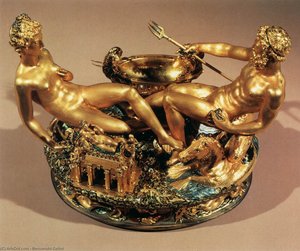
- Study for a seal

 プレビュー
プレビュー
 シェアする
シェアする シェアする
シェアする
 詳細を見る
詳細を見る

 ダウンロード
 似ている作品
 X線調査
X線調査 スライドショー
Study for a seal
 Acrylic On Canvas
- WallArt
- Renaissance Mannerism
 1560
1560 315.0 x 125.0 cm
 ルーブル美術館
 詳細を見る
詳細を見る
ジークレー/アートプリント
迅速な制作と多彩な仕上げオプションを備えた、ミュージアムクオリティのジークレーまたはキャンバスプリント。 ( 手描き画への切り替え 画像に切り替え)




P118B $10

P118H $10

P118W $10

P438Z $10

P508JH $12

P508YH $12

P805H $10

P805Z $10

P919BZ $10

P919G $10

P919XJ $10

P959ZH $10

P968JZ $12

W106C $8

W218G $10

W218JH $8

W218Y $10

W307PJ $10

W316G $10

W316PJ $8

W316Y $10

W398PJ $8

W4111J $10

W500HY $15

W500JH $15

W692G $12

W849H $8

W940BG $15

W953PJ $8




作品のオリジナル比率に合わせた、当店の規定サイズからお選びください。

特定のフレームやスペースに合わせて、ご自身でサイズを指定することも可能です。選択されたサイズが元の画像の比率と一致しない場合、作品をトリミングするか、鏡面反射または単色での塗りつぶしによって画像を拡張いたします。制作を開始する前に、ご確認用のデジタルモックアップをお送りいたします。
画面上のプレビューには、実際のトリミングや拡張は反映されませんのでご注意ください。最終的な構図を正確に確認できるのは、モックアップのみとなります。
カスタムサイズも承っておりますが、元の比率を維持するためには、あらかじめ用意されたリストからサイズを選択することをお勧めいたします。


 ガラスオプションは、110cm未満のサイズでのみご利用いただけます。

Study for a seal
ジークレー/アートプリント
複製画のサイズ
-


合計金額
$ 64
作品詳細説明
Benvenuto Cellini’s “Study for a Seal”: A Glimpse into Renaissance Genius
The world of 16th-century Florence pulsed with artistic fervor, a crucible where innovation and tradition intertwined to forge masterpieces that continue to captivate us centuries later. Among the giants of this era stands Benvenuto Cellini, not merely a goldsmith or sculptor, but a polymath—a writer, musician, soldier, and above all, an intensely self-aware artist who meticulously documented his life and work in his celebrated autobiography. Within this rich tapestry of creativity lies “Study for a Seal,” a remarkably intimate pen drawing executed around 1560 and currently residing within the hallowed halls of the Musée du Louvre. This seemingly modest piece offers a profound window into Cellini’s artistic process, revealing a meticulous mind grappling with form, symbolism, and the very essence of Renaissance aesthetics.
The drawing itself is deceptively simple: an angelic or mythological figure, rendered in delicate pen lines, stands poised upon what appears to be a stylized serpent. The creature possesses a distinctly human-like quality—a noble face, expressive eyes—yet simultaneously boasts features that transcend the purely mortal; notably, its feathered wings and the suggestion of divine attributes. This deliberate ambiguity is characteristic of Cellini’s work – he frequently blurred the boundaries between the earthly and the celestial, reflecting his own complex personality and a fascination with both the tangible beauty of craftsmanship and the intangible realm of spiritual significance. The background remains strikingly minimalist, composed of geometric shapes and lines that serve not as mere decoration but rather to frame and elevate the central figure, drawing our attention entirely to this enigmatic being.
A Master’s Process: Technique and Materials
Cellini's mastery is immediately evident in the execution of “Study for a Seal.” The work is executed entirely with pen and ink on paper, a medium that allowed him unparalleled control over line weight and detail. Observe how he employs hatching to create subtle gradations of tone, suggesting volume and texture without resorting to shading. The precision of his lines speaks volumes about his dedication to craft; each stroke is deliberate, imbued with the artist’s considered hand. The paper itself bears the marks of time – slight discoloration and warping—testaments to its age but also adding a layer of authenticity and historical resonance. It's not simply a drawing; it’s a tangible record of a creative journey, offering a rare glimpse into the mind of a master at work.
Symbolism and Context: The Seal of Florence
The “Study for a Seal” is inextricably linked to the burgeoning artistic and political landscape of Florence in the mid-16th century. In 1562, the Accademia del Disegno—the Florentine Academy of Drawing—was formally established, marking a pivotal moment in the development of Renaissance art theory and practice. The academy sought to establish standards for artistic training and patronage, and naturally required an official seal to authenticate its documents and represent its authority. Cellini, already a celebrated artist with connections to powerful figures like Francis I of France, was commissioned to design this emblem. The drawing itself is believed to be a preliminary study for the final seal, offering insights into Cellini’s initial conceptualization of the design.
The symbolism embedded within the image is rich and layered. The central figure, often interpreted as an angelic or mythological being, likely represents a deity or allegorical figure associated with wisdom, justice, or divine grace—themes frequently explored in Renaissance art. The serpent beneath suggests both temptation and transformation, reflecting the complex moral landscape of the era. The geometric background may allude to architectural principles, reinforcing the idea that art was not merely decorative but also served as a means of communicating profound philosophical and spiritual truths. It’s important to note that Cellini himself meticulously documented his artistic process in his autobiography, revealing a deep engagement with the intellectual currents of his time.
A Legacy of Craftsmanship: Reproduction Possibilities
“Study for a Seal” stands as a testament to Benvenuto Cellini's extraordinary talent and enduring legacy. Its intricate detail, evocative symbolism, and historical significance make it a truly remarkable work of art. For those seeking to experience the beauty and artistry of this masterpiece firsthand, high-quality reproductions are available through AllPaintingsStore.com. These meticulously crafted oil paintings capture the essence of Cellini’s original drawing, allowing you to bring a piece of Renaissance genius into your home or office. Consider this reproduction not merely as an image but as a portal—a connection to a world of artistic innovation and profound human expression.
関連作品


アーティストの略歴
ルネサンスの万能の天才、ベンヴェヌート・チェリーニ
16世紀イタリア・フィレンツェに生まれたベンヴェヌート・チェリーニは、単なる芸術家という枠を超え、金細工師、彫刻家、画家、軍人、そして作家として輝かしい足跡を残した稀有な人物です。彼の波乱万丈な生涯と、その才能が凝縮された作品群は、ルネサンス文化の華やかさと同時に、人間の情熱と葛藤を鮮やかに物語っています。チェリーニ自身が綴った自伝は、芸術史における貴重な一次資料であるだけでなく、一人の人間としての生き様を描いた文学作品としても高く評価されています。
幼少期から才能が開花するまで
チェリーニの生家は音楽一家であり、父は楽器職人でした。幼い頃から音楽的な素質を見せましたが、15歳の時、金細工師としての道を志し、アントニオ・ディ・サンドロ(マルコーネ)に弟子入りします。しかし、その若き日のチェリーニは決して平穏な日々を送っていたわけではありません。同年代の仲間との乱闘事件を起こし、フィレンツェから追放されるという苦い経験も経ています。その後、シエナで金細工師フラカストロのもとで修行を重ね、技術を磨き上げていきます。
華麗なる作品群とその様式
チェリーニの作品は、その技巧の高さはもちろんのこと、ダイナミックな構図と写実的な表現が特徴です。特にフランソワ1世のために制作された銀製の塩壺は、彼の代表作として知られています。精緻を極めた装飾と躍動感あふれる人物像は、見る者を圧倒します。また、「ペルセウスとメデューサ」のブロンズ彫刻も、チェリーニの卓越した才能を示す傑作です。古典古代美術やミケランジェロの影響を受けながらも、彼独自の様式を確立し、マニエリスムという時代精神を体現しています。「レーダと白鳥」の金製メダルは、神話の世界を繊細な技術で表現した美しい作品です。
芸術以外にも輝いた才能
チェリーニの活動は芸術だけに留まりません。彼は軍人として要塞防衛戦に参加し、ローマを守るために活躍しました。また、宮廷ではコルネットやフルートを演奏するなど、音楽家としての顔も持ち合わせていました。しかし、彼が後世に名を残すことになったのは、やはり自伝の存在です。
- 「チェリーニ自伝」:この率直で時に誇張された回顧録は、ルネサンス期の芸術、文化、社会に関する貴重な情報源となっています。パトロンとの関係、ライバルとの確執、そして自身の冒険譚など、様々なエピソードを通して、当時の時代背景を生き生きと描き出しています。
自伝は単なる事実の羅列ではなく、チェリーニ自身が自身の才能を誇示し、行動を正当化するために書き上げられた自己像です。その信憑性には疑問も残りますが、ルネサンス期の生活を知る上で欠かせない一次資料として、現在でも多くの研究者に読まれています。
後世への影響と歴史的意義
1571年にフィレンツェで亡くなったベンヴェヌート・チェリーニは、マニエリスムを代表する芸術家の一人として、その名を歴史に刻みました。彼の技術的な卓越性、芸術的な革新性、そして魅力あふれる自伝は、後世の芸術家たちに多大な影響を与え続けています。彼は、多様な分野で才能を発揮し、野心に燃えて個性を追求したルネサンス人の理想を体現しています。彼の作品は、その美しさ、技巧、そしてドラマティックな表現力によって、西洋美術史における重要な位置を占めています。

ベネヴェント・チェリーニ
1500 - 1571 , イタリア
基本情報
- Artistic Movement Or Style: マニエリスム
- Artists Who Influenced This Artist: ['ミケランジェロ']
- Date Of Birth: 1500年11月1日
- Date Of Death: 1571年2月13日
- Full Name: ベネヴェント・チェリーニ
- Nationality: イタリア人
- Notable Artworks (List Of Titles):
- ペルセウス像
- 塩壺
- Place Of Birth (City And Country): フィレンツェ、イタリア
関連記事
メトロポリタン美術館の至宝25選:名画とアートが語る歴史と美【AllPaintingsStore】
メトロポリタン美術館の至宝25選。モネ、ゴッホ、レンブラント…名画に秘められた物語と技法を紐解きます。印象派からルネサンスまで、時代を超えて輝く芸術作品をウォールアートで暮らしに取り入れませんか?AllPaintingsStore.comで全コレクションをご覧ください。
初期ルネサンス美術を彩る至宝:10選が示す革新と美の源泉
初期ルネサンス美術の革新を彩る10選。ボッティチェリ、ダ・ヴィンチの名作から、時代を超越する美と技術を紐解きます。壁掛けアートやインテリアにインスピレーションを。AllPaintingsStore.comで至宝のコレクションをオンラインで発見しましょう!

ボッティチェリの至宝25選:ルネサンス美術の華麗なる世界 | AllPaintingsStore
ボッティチェリの至宝25選。ルネサンス美術を代表する「春」「ヴィーナスの誕生」など、名画の物語と芸術史を紐解きます。AllPaintingsStoreで高品質な複製画やインテリアアートを見つけ、お部屋に永遠の美を。今すぐコレクションをご覧ください。
Renaissance Humanism's Greatest Art: 10 Masterpieces for Your Home
Explore 10 Renaissance Humanism masterpieces by Leonardo da Vinci, Michelangelo & Raphael. Discover the stories behind these iconic paintings & sculptures and bring timeless art into your home with museum-quality reproductions from AllPaintingsStore.com. Explore the full collection online!

Proto-Renaissance Masters: 10 Artworks That Changed History | AllPaintingsStore
Journey back to the dawn of Renaissance art! Explore 10 iconic Proto-Renaissance masterpieces by Giotto, Cimabue & Duccio. Discover their stories, techniques & lasting impact. Find museum-quality reproductions for your home at AllPaintingsStore.com