


 プレビュー
プレビュー
 シェアする
シェアする シェアする
シェアする
 詳細を見る
詳細を見る

 ダウンロード
 似ている作品
 X線調査
X線調査 スライドショー
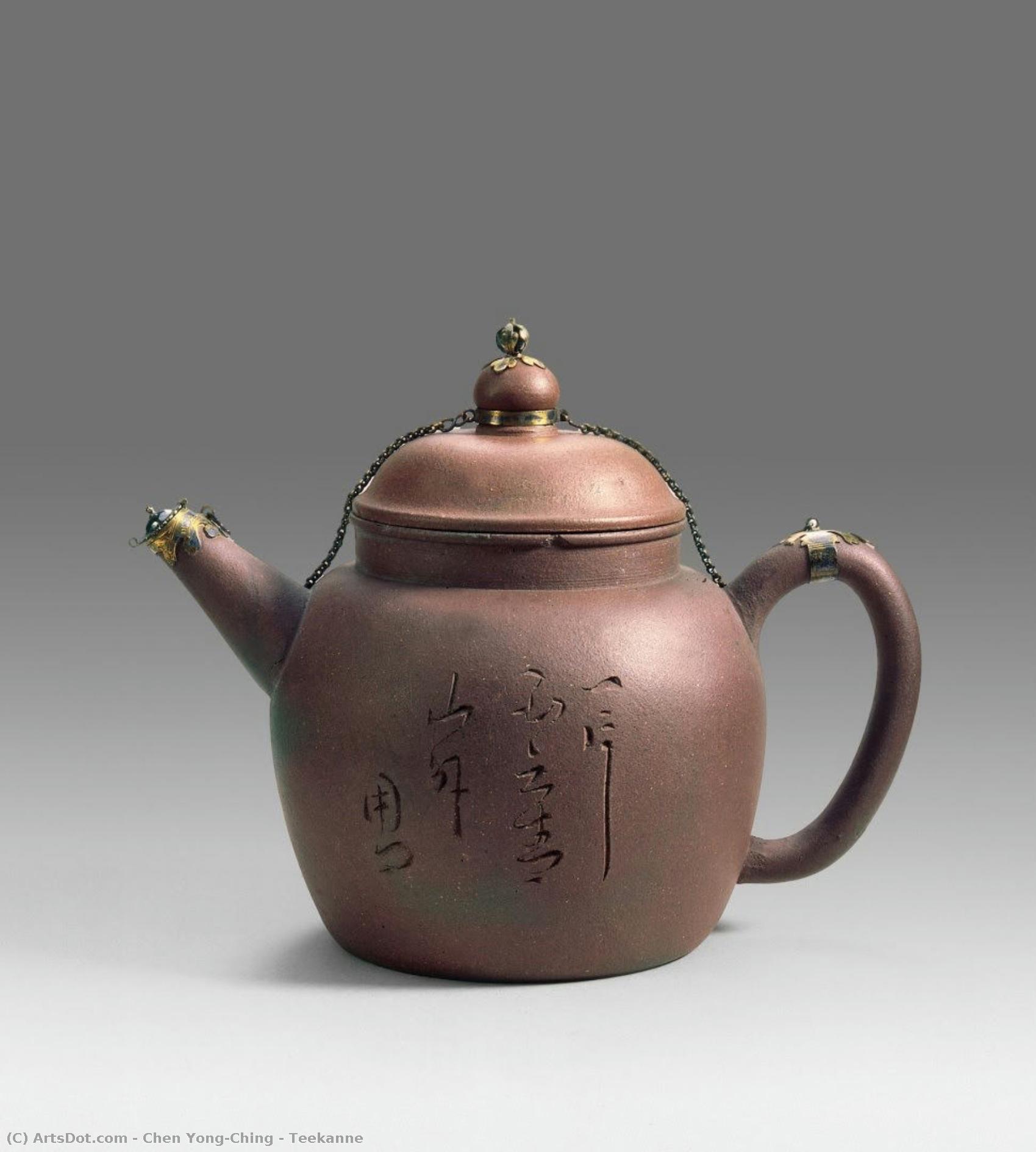
Teekanne


 詳細を見る
詳細を見る
ジークレー/アートプリント
迅速な制作と多彩な仕上げオプションを備えた、ミュージアムクオリティのジークレーまたはキャンバスプリント。 ( 手描きの絵画を購入 画像を購入)




































作品のオリジナル比率に合わせた、当店の規定サイズからお選びください。

特定のフレームやスペースに合わせて、ご自身でサイズを指定することも可能です。選択されたサイズが元の画像の比率と一致しない場合、作品をトリミングするか、鏡面反射または単色での塗りつぶしによって画像を拡張いたします。制作を開始する前に、ご確認用のデジタルモックアップをお送りいたします。
画面上のプレビューには、実際のトリミングや拡張は反映されませんのでご注意ください。最終的な構図を正確に確認できるのは、モックアップのみとなります。
カスタムサイズも承っておりますが、元の比率を維持するためには、あらかじめ用意されたリストからサイズを選択することをお勧めいたします。


 ガラスオプションは、110cm未満のサイズでのみご利用いただけます。

Teekanne
ジークレー/アートプリント
複製画のサイズ
-


合計金額
$ 64
関連作品


アーティストの略歴
Chen Yong-ching: A Glimpse into Late Ming Dynasty Art
Life and Times
Chen Yong-ching, a Chinese artist active during the tumultuous late Ming dynasty (1368–1644), remains an enigmatic figure in art history. Born around 1621 in Beijing, China, his life was tragically cut short in 1644 – the very year the Ming Dynasty fell. Details surrounding his personal life are scarce, contributing to the mystery that surrounds his artistic legacy.
Artistic Contributions
Despite limited biographical information, Chen Yong-ching is primarily known for a single, extraordinary work: a teapot crafted entirely from gold in 1644. This Teekanne, as it’s sometimes referred to, stands as a testament to his exceptional skill and artistry. The creation of such an opulent object suggests he may have worked under patronage, possibly for the imperial court or wealthy collectors.
Historical Context: The Ming Dynasty
The Ming dynasty was a period of significant cultural flourishing in China, marked by advancements in porcelain production, painting, and literature. However, it was also a time of internal strife and external pressures. By the 17th century, the dynasty faced economic hardship, peasant rebellions, and growing threats from the Manchus. This turbulent environment likely influenced artistic expression, with some artists seeking refuge in traditional forms while others experimented with new styles.
Influences and Artistic Development
Determining Chen Yong-ching’s specific influences is challenging due to the lack of documentation. However, his gold teapot exhibits stylistic elements reminiscent of earlier dynasties, particularly the Tang (618–907) and Song (960–1279) periods. These eras were celebrated for their refined aesthetics and mastery of craftsmanship. It’s plausible that Chen Yong-ching drew inspiration from antique designs or studied the works of earlier masters.
Major Achievements & Significance
- Exceptional Craftsmanship: The gold teapot demonstrates an unparalleled level of skill in metalworking and design.
- Cultural Heritage: The work represents a valuable piece of Chinese cultural heritage, showcasing the artistic capabilities of the late Ming dynasty.
- Rarity & Uniqueness: A teapot crafted entirely from gold is exceptionally rare, making Chen Yong-ching’s creation all the more significant.
Legacy and Further Exploration
Although his life remains largely unknown, Chen Yong-ching's artistic legacy endures through his remarkable gold teapot. His work offers a fascinating glimpse into the aesthetic preferences and technical expertise of late Ming dynasty artists. While further research is needed to fully understand his place in art history, his contribution serves as a reminder of the rich cultural heritage of China.

chen yong-ching
1644 , China
基本情報
- Birth_Date: c. 1621
- Birth_Place: Beijing, China
- Death_Date: 1644
- Movement: Late Ming Dynasty
- Name: Chen Yong-ching
- Nationality: Chinese
- Notable_Works: Teekanne (Gold Teapot)
関連記事

Transform Your Walls: Top Trending Mural Styles from Botanical Jungles to Gold Leaf Geometry
Elevate your hospitality projects with our expert trend forecast on luxury mural styles. From biophilic botanical jungles to sophisticated gold leaf geometry, discover how bespoke architectural art transforms hotel interiors into immersive, high-end experiences.



