


 設置イメージを確認
 送る
送る シェア
シェア
 詳細情報
詳細情報 ガイドを表示

 画像をダウンロード
 似ている作品
 X線調査
X線調査 スライドショー
 統計情報
統計情報God
 Mixed Media
- WallArt
- Contemporary Design
 36.0 x 28.0 cm
 Vancouver Art Gallery
 続きを読む
続きを読む
このページに掲載されている作品は著作権法によって保護されており、当社の許可なく同一の複製物を制作または販売することは法律で禁じられています。この保護は、以下のような国際条約に基づき執行されます。 ベルヌ条約 および、以下の条項に定められたものを含む各国の法律により、 米国著作権法 第17編。
この手法は、著作権で保護された作品の複製や複写を伴わないため、著作権法に完全に準拠しています。これは単なる模倣ではなく、創造的な再解釈です。元の作品からインスピレーションを受けつつも、それとは異なる、全く新しい絵画を生み出すものです。
ジークレー/アートプリント
スピーディーな制作と多彩な仕上げオプションが魅力の、ミュージアムクオリティなジークレー・キャンバスプリント。 ( 手描きの複製画を注文する デジタル画像販売へ切り替え)




P118B ¥10

P118H ¥10

P118W ¥10

P438Z ¥10

P508JH ¥12

P508YH ¥12

P805H ¥10

P805Z ¥10

P919BZ ¥10

P919G ¥10

P919XJ ¥10

P959ZH ¥10

P968JZ ¥12

W106C ¥8

W218G ¥10

W218JH ¥8

W218Y ¥10

W307PJ ¥10

W316G ¥10

W316PJ ¥8

W316Y ¥10

W398PJ ¥8

W4111J ¥10

W500HY ¥15

W500JH ¥15

W692G ¥12

W849H ¥8

W940BG ¥15

W953PJ ¥8




作品のオリジナル比率に合わせた、当店の規定サイズからお選びください。

額縁や壁のスペースに合わせて、ご希望の幅と高さを入力してください。プリントはカットすることは可能ですが、元の画像より大きくすることはできないため、異なる比率のサイズを選択された場合は、画像の一部が欠けることになります。印刷を開始する前に、内容を確認していただくためのデジタルモックアップをお送りいたします。このページに表示されている画像は、実際のカット後の状態を示すものではありません。実際の仕上がりはモックアップにてご確認ください。


 ガラスオプションは、110cm未満のサイズでのみご利用いただけます。

God
ジークレー/アートプリント
複製画サイズ一覧
-


合計金額
¥ 10066
A Fractured Divinity: Deconstructing Faith in Coupland’s “God”
Douglas Coupland's "God," a striking collage dominated by Joseph Conrad’s “Lord Jim,” isn’t merely a reproduction; it’s an interrogation. The artwork, rendered in meticulous detail and layered with a potent visual language, embodies the anxieties of a generation adrift – a sentiment deeply resonant with Coupland’s own experience as a chronicler of Gen X. At its core lies a deliberate dismantling of traditional notions of faith, presented not through overt religious iconography but through a carefully constructed juxtaposition of the familiar and the unsettling.
The foundation is undeniably Conrad's novel, its weighty cover acting as an anchor within the composition. However, Coupland doesn’t simply replicate; he actively disrupts. The colossal, stylized orange and black ‘D’ – a bold, geometric letter – dominates the foreground, immediately asserting itself as a disruptive force. This isn’t a playful graphic element; it feels like a primal scream against the established order, a visual embodiment of doubt and disorientation. Beneath this assertive shape, a stark black-and-white portrait of an older gentleman emerges from the negative space, his face partially obscured, suggesting a lost figure, perhaps representing the fading authority of traditional belief systems.
The Language of Discomfort: Technique and Composition
Coupland’s mastery lies in his ability to seamlessly blend photographic realism with graphic design principles. The book cover itself is reproduced with astonishing accuracy, capturing every subtle detail – the Penguin logo, the “Complete” and “Unabridged” designations, even the slight imperfections of the printed text. This fidelity creates a jarring contrast with the aggressively modern ‘D’, highlighting the tension between the past and the present, tradition and disruption. The use of dark brown/black wood for the frame further anchors the piece in a sense of solidity and permanence, while simultaneously hinting at the weight of history and unresolved questions.
The composition is deliberately unbalanced, creating a dynamic visual rhythm. The ‘D’ pulls the eye towards the right side of the image, while the portrait subtly directs it back to the left. This interplay generates a sense of unease, mirroring the emotional complexity of the artwork's subject matter. The lighting, seemingly studio-based, is sharp and precise, emphasizing textures and creating strong shadows – contributing to the overall feeling of controlled tension.
Symbolism in the Fragmented Image
The ‘D’ itself is a potent symbol, open to multiple interpretations. It could represent the protagonist of “Lord Jim,” embodying both ambition and moral ambiguity; it might symbolize the digital age, with its overwhelming flow of information and fragmented identities; or perhaps, most powerfully, it represents the absence of God – a void left by the decline of traditional faith. The portrait within the negative space adds another layer of complexity, suggesting a lost figure grappling with similar uncertainties. The inclusion of text fragments from the book cover subtly reinforces the artwork’s central theme: the collision between narrative and reality, belief and doubt.
A Reflection on Modern Anxiety
“God” isn't simply an artistic exercise; it’s a poignant reflection on the anxieties of contemporary life. Coupland captures the pervasive sense of alienation and spiritual emptiness that characterizes much of modern society – a feeling exacerbated by rapid technological change, consumerism, and the erosion of shared values. The artwork speaks to a generation struggling to find meaning in a world seemingly devoid of inherent purpose. It’s a powerful reminder that faith isn't necessarily found in grand pronouncements or established institutions, but often emerges from confronting uncomfortable truths and embracing the complexities of human experience. Reproductions of this piece offer a compelling visual dialogue with these enduring themes, inviting viewers to contemplate their own relationship with belief, doubt, and the search for meaning in an increasingly fragmented world.
よくあるご質問
ダグラス・クプランド作「God」は、どの芸術運動に属していますか?
「God」は、Contemporary Designの作品です。この様式は、その作品が属する芸術的伝統を示しています。
「God」は何を描いた作品ですか?
ダグラス・クプランド作「God」に描かれているもの:collage, typography, geometric, portrait, literature, symbolism, modern art, design
ダグラス・クプランド作「God」は、Contemporary Designにおいてどのような情緒を表現していますか?
「God」は、Contemporary Designのムーブメントにおいて、Melancholicな情緒を湛えています。
関連作品


アーティストについて
現代文化の地図製作者:ダグラス・クープランドの生涯と芸術
ダグラス・クープランドは、1990年代初頭、単なる小説家としてではなく、ある時代の「診断医」として文化的な風景の中に姿を現しました。1961年12月30日、ドイツのバーデン=ゼルティンゲンにあるカナダ軍基地に生まれた彼の幼少期は、絶え間ない転居の連続でした。最終的に辿り着いたカナダのバンクーバーという街は、彼の芸術的な感性を深く形作ることになります。この初期の経験が、現代生活の微細な変化や不安を察知する、鋭い観察眼を彼に授けました。エミリー・キャル芸術デザイン大学で当初は彫刻を学んでいたクープランドですが、真の天職は物理的な形を造形することではなく、言葉を通じて、そして後に視覚芸術とデジタル技術の魅力的な融合を通じて、現代の存在が持つ形のない質感を描き出すことにあると気づいたのです。彼は単に文化を反映させていたのではありません。急速に加速する世界の中で漂流する世代の、言葉にならない感情に声を与え、文化に「名前」をつけていたのです。ジェネレーションXから視覚的な批評へ
クープモランドの躍進は、1991年の『ジェネレーションX:加速する文化のための物語(Generation X: Tales for an Accelerated Culture)』の出版とともに訪れました。この小説は単なる文学的成功に留まらず、一つの文化的現象となりました。「ジェネレーションX」という言葉は、ポスト工業社会の影の中でアイデンティティと目的を模索していた何百万人もの人々に瞬時に共鳴したのです。「McJob(マックジョブ)」といった用語も語彙に加わり、20世紀後半における労働の不安定さと疎外感を象徴する言葉となりました。しかし、クープランドの野心は単に世代にラベルを貼るだけでは終わりませんでした。彼は、メディア、消費主義、そして技術変化に飽和した世界の心理的風景を探求することに関心を抱いていたのです。この探求は文学の枠を超え、異なる媒体を通じて自身の思想を表現したいという衝動に突き動かされ、彼はシームレスに視覚芸術へと移行していきました。彼の芸術活動は極めて多岐にわたり、絵画、彫刻、写真、デザインを網羅していますが、それらはすべて「現代生活への問いかけ」という一貫した主題によって結ばれています。13の小説、2つの短編集、7冊のノンフィクション、そして数多くの映画やテレビの脚本を手がけてきたその歩みは、彼の旺盛な創造力の証と言えるでしょう。QRコードの言語と喪失の重み
クープランドの視覚芸術は、抽象、ポップカルチャーへの参照、そして技術革新が独自に混ざり合っているのが特徴です。なかでも最も顕著なのは、絵画の中にQRコードを組み込んだシリーズで知られている点です。これらは単なる装飾的な要素ではありません。隠された意味の層へと繋がるポータル(入り口)であり、鑑賞者がスマートフォンを通じて作品に能動的に関わることを促します。これらのコードをスキャンすると簡潔な解説が現れ、視覚体験にさらなる次元を付け加えます。これは、芸術とテクノットの交差点に対するクープランドの強い関心の現れです。この革新的な技法の一方で、彼の作品はしばしば喪失や死という深遠なテーマとも向き合っています。例えば、「Dead Grads Series(亡き卒業生シリーズ)」は、悲劇的に断たれた若き命への痛切な追悼であり、それぞれの絵画には「銃」「自動車事故」「過剰摂取」といったタイトルが冠されています。これらは生命の脆さと、悲しみが残す消えない影響を突きつける、峻烈なリマインダーなのです。また、スマートフォン越しに見るとオサマ・ビンラディンの顔が浮かび上がる衝撃的な作品『Silver Boogeyman』は、思考を喚起し、既成概念に挑戦する彼の能力を象徴しており、鑑賞者に9.11後の世界における不都合な真実と向き合うことを強いています。彫刻的表明と国家的アイデンティティ
クープランドの芸術的ビジョンは、二次元のキャンバスを超えて彫刻の領域へと広がっています。巨大な鋼鉄構造物である『The Ice Storm』は、カナダのアイデンティティと脆弱性を力強く反映した作品です。その形態は強さと脆さの両方を想起させ、この国の歴史の複雑さと自然界との関係性を映し出しています。また、『God』のようなミクストメディアによるコラージュ作品では、レイヤリング(層を重ねる)技法とグラフィックデザインのスキルが遺憾なく発揮されています。「ロード・ジム」や幾何学的な「D」といった象徴的な要素を取り入れることで、複数の解釈を誘う視覚的に圧倒的な構成を作り上げています。これらの作品は単なる審美的な対象ではなく、鑑賞者に能動的な関与を求める知的なパズルなのです。彼の作品はバンクーバー・アート・ギャラリーやマクミール・カナディアン・アート・コレクションといった権威ある会場で展示されており、現代美術における重要な人物としての地位を確固たるものにしています。観察と革新の遺産
文学と視覚芸術の両分野におけるダグラス・クープランドの貢献は、カナダ勲章(Officer of the Order of Canada)の受章やブリティッシュコロンビア勲章への入会など、幅広い評価を得ています。彼は洞察に満ちた観察眼、革新的な芸術表現、そして複雑な社会的・文化的課題に取り組む姿勢によって、カナダの芸術・文学界における不可欠な声であり続けています。彼の作品は世界中の観衆の心に響き続け、現代文化、テクノロジー、そして人間存在の在り方についての対話を促しています。クープランドは単なる芸術家ではありません。彼は、精密さと共感の両方を持って、絶えず変化し続ける現代生活という地形をマッピングする「文化の地図製作者」なのです。彼は、私たち自身と周囲の世界に対する理解に消えない足跡を残し、カナダで最も重要な現代アーティストの一人としての地位を確立しています。- 主要なテーマ: ジェネレーションX、デジタル文化、テクノロジー、喪失、アイデンティティ、消費主義、カナダのアイデンティティ。
- 影響を受けたもの: ポップアート、ミニマリズム、コンストラクティヴィズム(構成主義)、日本のビジネスサイエンス、現代文学。
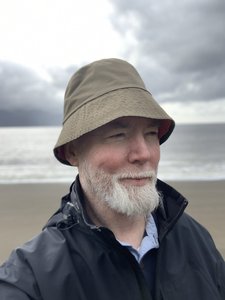
ダグラス・クプランド
1961 - , カナダ
アーティスト情報
- Artistic Movement Or Style: ポップアート、デジタル文化
- Date Of Birth: 1961年12月30日
- Full Name: ダグラス・カウンプランド
- Nationality: カナダ人
- Notable Artworks:
- God
- The Ice Storm
- Thomson No. 5
- Silver Boogeyman
- Place Of Birth: カナダ、バンクーバー
関連記事

Mixed Media Art for Hospitality: A Professional Guide to Texture, Layering, and High-Impact Interior Design
Elevate hospitality interiors with professional mixed media art. Our guide explores texture, layering, and durability for hotel designers and procurement managers seeking high-impact, custom-commissioned artworks that define luxury guest experiences.

