


 プレビュー
プレビュー
 シェアする
シェアする シェアする
シェアする
 詳細を見る
詳細を見る ガイド
ガイド

 ダウンロード
 似ている作品
 X線調査
X線調査 スライドショー
 統計情報
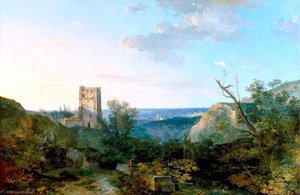
統計情報A View Across The Moor To Richmond Castle

 詳細を見る
詳細を見る
手描き油彩複製画
当社のアーティストが、お客様のご希望のサイズと額縁に合わせて、キャンバスに手描きで制作する油彩画です。 ( プリント版に切り替え デジタル画像販売へ切り替え)




































作品のオリジナル比率に合わせた、当店の規定サイズからお選びください。

特定のフレームやスペースに合わせて、ご希望のサイズをご入力いただけます。選択されたサイズが元の画像の比率と異なる場合、アートワークをトリミングするか、手描きで要素を追加して絵画を拡張いたします。デジタルモックアップ を制作し、制作開始前にご確認(承認)をいただきます。
画面上のプレビューは、実際のトリミングや拡張を正確に反映しているものではありません。最終的な構図は、モックアップによってのみ正確にご確認いただけます。
カスタムサイズもご利用いただけますが、元の比率を維持するためには、あらかじめ用意されたリストからサイズを選択することをお勧めいたします。
ご注文後、AllPaintingsStore.com チームより詳細な指示をお送りするとともに、仕上がりイメージ(モックアップ)をご提供いたします。


 ガラスオプションは、110cm未満のサイズでのみご利用いただけます。

A View Across The Moor To Richmond Castle
複製技法
複製画のサイズ
-


合計金額
$ 258
関連作品




アーティストの略歴
The Visionary of the British Landscape
Edmund John Niemann stands as a luminous figure within the grand tapestry of Victorian landscape painting, a master who captured the fleeting soul of the British countryside with unparalleled devotion. Born in 1813 in Islington, London, Niemann’s early life was marked by a transition from the structured world of commerce to the boundless freedom of the canvas. The son of John Dietrich Niemann, a merchant associated with the prestigious Lloyd’s, Edmund initially followed a more pragmatic path, serving as a clerk within the bustling heart of the City of London. However, the call of the natural world proved irresistible. In 1839, he made the courageous decision to abandon the ledger and the pen, settling in High Wycombe, Buckinghamshire, where he could immerse himself in the practice of painting outdoors, seeking the raw, unadorned beauty of the landscape.
His artistic evolution was deeply shaped by the giants of his era. Niemann’s work breathes with the atmospheric drama of J.M.W. Turner and the delicate, emotive naturalism of Corot. From these masters, he inherited a profound understanding of how light interacts with the elements—how a hazy sky might illuminate a riverbank or how heavy clouds might threaten a craggy moorland. While his technical execution possessed a meticulous precision reminiscent of his mercantile lineage, his heart belonged to the Romantic movement. He sought not merely to document topography, but to evoke the sublime, capturing those transient moments where nature reveals its most profound and emotive character.
A Prolific Legacy Across the British Isles
Niemann’s career was defined by an extraordinary period of productivity and exhibition success that spanned several decades. Between 1844 and 1872, his canvases graced the walls of the most esteemed institutions in the United Kingdom, including the Royal Academy, the British Institution, and the Society of British Artists. This consistent presence in prestigious galleries solidified his reputation as a highly successful and respected professional artist. His portfolio was remarkably diverse, stretching across the breadth of the British Isles, yet he found particular inspiration in the rhythmic flow of water and the rugged textures of northern terrains.
The themes that recur throughout his oeuvre reflect a deep intimacy with the English landscape:
- The River Thames: Perhaps his most celebrated subject, where Niemann captured the serene and bustling life of the river with masterful light and color.
- Yorkshire Moors: Evocative works such as "On The Moors, Yorkshire" demonstrate his ability to portray the vast, untamed beauty of the northern landscape.
- River Swale and Richmond: His explorations near Richmond, North Yorkshire, showcase a delicate balance between topographical accuracy and romantic atmosphere.
- Historical Landmarks: Works like "Goodrich Castle On The River Wye" highlight his skill in integrating architectural history into the natural environment.
Artistic Significance and Enduring Impression
Though no definitive record remains of Niemann’s formal academic training, the sheer sophistication of his technique suggests a self-taught brilliance or a highly disciplined period of study within influential artistic circles. His ability to command both the grand, sweeping vistas and the intimate, quiet corners of nature allowed him to bridge the gap between pure Romanticism and a more grounded, realistic depiction of the British landscape. He was an artist who could navigate the tension between the sublime—the awe-inspiring power of nature—and the picturesque—the charming, detailed beauty of the countryside.
By the time of his death in 1876, Edmund John Niemann had left behind an immense and enduring corpus of work that remains a vital window into the Victorian perception of the natural world. His paintings do more than represent scenery; they preserve the light, the weather, and the very atmosphere of a bygone era. Today, his works held in collections such as the Wolverhampton Art Gallery serve as a testament to a man who successfully transformed a life of clerical duty into a legacy of profound aesthetic beauty, ensuring that the tranquil landscapes he loved would continue to inspire generations of viewers.

Edmund John Niemann
1813 - 1876 , United Kingdom
基本情報
- Artistic Movement Or Style: Romantic painting
- Artists Or Movements Influenced By This Artist: ['Romanticism']
- Artists Who Influenced This Artist:
- J.M.W. Turner
- Corot
- Friedrich
- Date Of Birth: 1813
- Date Of Death: 1876
- Full Name: Edmund John Niemann
- Nationality: British
- Notable Artworks:
- On The Moors, Yorkshire
- A View Across The Moor To Richmond Castle
- Place Of Birth: London, United Kingdom
関連記事

Evocations of Place: A Historical Journey Through Landscape Art
Explore the rich history of landscape art with AllPaintingsStore. Discover renowned artists, movements like Impressionism & Romanticism, and expert guidance for collecting timeless pieces. Find your perfect serene escape today!

The Sublime and the Picturesque: Exploring Emotion & Nature in Romantic Landscape Painting
Explore the emotional power of Romantic landscape painting! Discover the sublime & picturesque traditions, key artists like Friedrich & Cole, and find your perfect artwork at AllPaintingsStore.
The Sublime and the Picturesque: Exploring Emotion & Nature in Romantic Landscape Painting
Explore the emotional power of Romantic landscape painting! Discover the sublime & picturesque aesthetics, key artists like Friedrich & Cole, and lasting influence on art history. Find your perfect piece at AllPaintingsStore.

ジョン・コンスタブルの傑作25選:英国風景画の巨匠が描く自然と光の詩 | AllPaintingsStore
ジョン・コンスタブルの傑作25選。英国風景画の巨匠が描く自然と光の詩の世界へ。ロマン主義を代表する絵画、デダム・ヴェールやヘイ・ウェインなど、AllPaintingsStoreで高品質なアートプリントをお楽しみください。インテリアに深みと感動を。コレクションはこちら。

ロマン派ランドスケープ:時代を彩る巨匠の10選|アートとインテリアの世界
ロマン派絵画の時代を彩る10選。巨匠たちの風景が織りなす感動の世界へ。ターナー、ルーベンスなど、名作の裏話と高精細複製でアートをお部屋に。AllPaintingsStore.comで至福のアート体験を。

