


 設置イメージを確認
 送る
送る シェア
シェア
 詳細情報
詳細情報 ガイドを表示

 画像をダウンロード
 似ている作品
 X線調査
X線調査 スライドショー
 統計情報
統計情報Raven Head


 続きを読む
続きを読む
ジークレー/アートプリント
スピーディーな制作と多彩な仕上げオプションが魅力の、ミュージアムクオリティなジークレー・キャンバスプリント。 ( 手描きの複製画を注文する デジタル画像販売へ切り替え)




P118B ¥10

P118H ¥10

P118W ¥10

P438Z ¥10

P508JH ¥12

P508YH ¥12

P805H ¥10

P805Z ¥10

P919BZ ¥10

P919G ¥10

P919XJ ¥10

P959ZH ¥10

P968JZ ¥12

W106C ¥8

W218G ¥10

W218JH ¥8

W218Y ¥10

W307PJ ¥10

W316G ¥10

W316PJ ¥8

W316Y ¥10

W398PJ ¥8

W4111J ¥10

W500HY ¥15

W500JH ¥15

W692G ¥12

W849H ¥8

W940BG ¥15

W953PJ ¥8




作品のオリジナル比率に合わせた、当店の規定サイズからお選びください。

額縁や壁のスペースに合わせて、ご希望の幅と高さを入力してください。プリントはカットすることは可能ですが、元の画像より大きくすることはできないため、異なる比率のサイズを選択された場合は、画像の一部が欠けることになります。印刷を開始する前に、内容を確認していただくためのデジタルモックアップをお送りいたします。このページに表示されている画像は、実際のカット後の状態を示すものではありません。実際の仕上がりはモックアップにてご確認ください。


 ガラスオプションは、110cm未満のサイズでのみご利用いただけます。

Raven Head
ジークレー/アートプリント
複製画サイズ一覧
-


合計金額
¥ 10066
A Parisian Rebel: The Life and Art of Édouard Manet
Édouard Manet’s journey from privileged upbringing to celebrated artist wasn't one of predetermined destiny but rather a defiant assertion of artistic vision against the constraints of Victorian society. Born in 1832 amidst the gilded halls of Paris, his father, Auguste Manet, was a respected judge—a position embodying stability and adherence to established norms—and envisioned for Édouard a future steeped in respectable professions like law or naval service. Yet, from early childhood, Manet possessed an unwavering passion for art, fueling clandestine explorations into artistic realms beyond the confines of his family’s expectations. This inherent inclination manifested itself at eleven when he commenced formal drawing lessons, marking the beginning of his artistic education—though briefly apprenticed to Thomas Couture, Manet swiftly recognized Couture's academic rigidity as antithetical to his creative spirit. This formative resistance served as a prelude to a lifelong crusade against artistic conventions. Unlike many of his contemporaries who sought to emulate the grandeur of the Old Masters, Manet relentlessly pursued a path distinct from tradition—one driven by an urgent desire to capture the pulse of modern Parisian life. He frequented the Louvre not merely for passive observation but for meticulous dissection, absorbing techniques pioneered by masters like Caravaggio and Velázquez – artists who understood how manipulating light and shadow could transform form and imbue paintings with profound emotional resonance. Manet’s fascination extended beyond mere stylistic imitation; he sought to unravel the underlying mechanisms of artistic expression, questioning accepted dogma and championing innovation. Manet's groundbreaking style—Realist-Impressionism—represented a radical departure from prevailing artistic trends. He eschewed idealized representations of beauty, opting instead for unflinching portrayals of everyday subjects – laborers, prostitutes, urban landscapes – rendered with loose brushstrokes and vibrant color palettes characteristic of Impressionism. This stylistic choice wasn’t simply aesthetic preference; it was a deliberate act of rebellion against academic formalism, which demanded meticulous detail and adherence to idealized forms. His canvases pulsed with immediacy—capturing fleeting moments of experience rather than striving for permanence or polished perfection. Consider “Olympia,” his controversial debut painting in 1863 – a nude reclining woman receiving money from a male physician. The unflinching gaze of Olympia challenged Victorian sensibilities regarding female sexuality and artistic nudity, sparking heated debate within the Parisian art world. The symbolism embedded within Manet’s oeuvre speaks volumes about his intellectual engagement with philosophical currents of his time. Influenced by Nietzsche's critique of morality and Wagnerian mythology—artists who questioned religious dogma and embraced expressive individualism—Manet infused his paintings with references to classical myths and biblical narratives, albeit interpreted through a lens of modern sensibility. These symbols weren’t merely decorative embellishments; they functioned as conduits for conveying complex ideas about human existence, desire, and the relationship between art and reality. For instance, in “The Picnic,” Manet subtly juxtaposes figures from different social strata—aristocrats and laborers—creating a visual commentary on societal hierarchies and the elusive nature of truth. Ultimately, Manet’s artistic legacy transcends stylistic innovation; it resides in his profound ability to evoke emotion and provoke contemplation. His paintings compel viewers to confront uncomfortable truths about human behavior and societal injustices—demanding engagement beyond mere aesthetic appreciation. Like Caravaggio before him, Manet wielded light and shadow as instruments of psychological drama, manipulating tonal variations to heighten emotional intensity and create a palpable sense of atmosphere. Viewing “A Bar at the Folies-Bergère” transports us into the glittering heart of Belle Époque Paris—a space brimming with sensual allure and social ambition—where Manet captures not just visual spectacle but also the intangible essence of human experience. His work continues to inspire artists and captivate audiences worldwide, cementing his place as one of the most influential figures in modern art history.よくあるご質問
「Raven Head」の閲覧数はどのくらいですか?
「Raven Head」には、専用の統計情報ページがあります。このページでは、その作品およびアーティストの他の作品の月間訪問者数を、国別・言語別の内訳とともにグラフで表示しています。
エドゥアール・マネ作「Raven Head」の色調は、鮮やかですか、それとも落ち着いていますか?
エドゥアール・マネ作「Raven Head」は、Subtle Colorの彩度とBalancedの強烈な色彩で記録されています。
拡張現実(AR)を使って、自分の部屋にエドゥアール・マネ作「Raven Head」を配置して見ることはできますか?
「Raven Head」は、拡張現実(AR)でのプレビューが可能です。対応デバイスで作品のARプレビューページを表示すると、ご自身の空間に作品を配置してご確認いただけます。
関連作品


アーティストについて
エドゥアール・マネ:近代美術への革命とパリの光
エドゥアール・マネ、1832年パリに裕福なブルジョワ階級の一員として生まれました。法曹や海軍といった堅実な将来が期待されたにも関わらず、彼の心は芸術へと強く惹かれていました。若くして絵画の才能を開花させ、アカデミックな画家トマ・クールへの弟子入りも経験しましたが、その厳格な手法に反発し、独自の道を歩むことを決意します。マネは単なる過去の模倣ではなく、現代パリの鮮やかな光と、時に不穏な現実を捉えることを志向しました。ルーブル美術館に通い詰める彼は、カラヴァッジョやベラスケスといった巨匠から、光と影がどのように形態を彫刻し、感情を喚起するかを学びました。そして、クールベ率いる写実主義の台頭は、マネの創造性を大きく刺激し、歴史画や神話的主題からの解放をもたらしました。伝統との決別:スキャンダルと革新
1860年代はパリで激しい芸術的変革期を迎え、マネはその中心に位置していました。日本版画(浮世絵)の到来は、彼の美意識に深い影響を与えました。大胆な構図、鮮やかな色彩、そして平面的な遠近法といった要素に魅せられ、自身の作品に取り入れます。この影響と、アカデミックな技巧への拒絶が相まって、パリのアート界を震撼させるような作品が生み出されました。『草上の昼食』(Le Déjeuner sur l'herbe)は1863年の落選展に出品され、大きな論争を巻き起こしました。裸婦が着衣した男性たちとピクニックを楽しむという構図は、従来のヌード絵画とは一線を画していました。マネの描くヌードは、理想化された美しさや神話的な背景を持たず、現代的で、見る者に衝撃を与える直接性を持っていました。『草上の昼食』のスキャンダルは、1865年の傑作『 Olympia 』によってさらに激化します。これはティツィアーノの『ウルビーノのヴィーナス』を大胆に再解釈した作品であり、現代の娼婦が鑑賞者を見つめ返す姿を描いています。その率直なリアリズムと挑発的な主題は、広範な非難を浴びましたが、その裏にはマネが絵画の表現様式を根本的に変革しているという認識がありました。印象主義への橋渡し:光、筆致、そして現代生活
マネ自身は「印象派」とのレッテルを嫌い、写実主義者として自己を規定しましたが、その影響は彼らの芸術に計り知れません。マネもまた、アカデミックな慣習からの脱却と、光の効果や大気の描写へのコミットメントを共有していました。モネ、ルノワール、ドガといった画家たちと共に独立展に参加し、前衛芸術における重要な位置を確立しました。マネの技法はより自由な筆致へと進化し、正確な細部よりも形態の印象を優先するようになりました。色彩も実験的に用いられ、劇的な効果を生み出す鮮やかなコントラストが特徴です。スキャンダルを巻き起こしたヌード作品以外にも、妻スザンヌや作家エミール・ゾラの肖像画、パリの夜の賑わいを描いた『モンマルトルの飲み屋』など、幅広い主題を探求しました。彼は単にこれらの主題を描写するだけでなく、社会規範を問い直し、美の慣習的な概念に挑戦していました。遺産と持続的な影響
エドゥアール・マネは1883年の若年期の死(梅毒による)によって、すでに芸術史の流れを変えていたキャリアを途絶えさせました。彼の評判は死後大きく高まりましたが、その影響はすぐに若い世代のアーティストたちに及んでいます。マネは伝統的な主題、技法、そして芸術的目的に対する障壁を取り払い、解放者として迎えられました。- 現代生活の描写への重点は、印象派や新印象派へと道を開きました。
- 革新的な筆致と色彩の使用は、後世の画家たちに影響を与えました。
- 不快な真実を社会に突きつける姿勢は、鑑賞者に自身の前提を問い直させました。
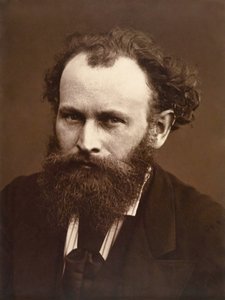
エドゥアール・マネ
1832 - 1883 , フランス
アーティスト情報
- フルネーム: エドゥアール・マネ
- 主な作品:
- déjeuner sur l'herbe
- Olympia
- A Bar at the Folies-Bergère
- 出生地: パリ、フランス
- 国籍: フランス人
- 影響を与えた芸術家:
- クロード・モネ
- ルノワール
- ドガ
- 影響を受けた芸術家:
- カラヴァッジョ
- ベラスケス
- クールベ
- 没年月日: 1883年4月30日
- 生年月日: 1832年1月23日
- 芸術運動: 写実主義、印象派
関連記事
エドゥアール・マネ傑作25選:印象派の革新とモダンアートの世界 | AllPaintingsStore
エドゥアール・マネの傑作25選🎨印象派を代表する画家、マネの世界を旅する。油絵「草上の昼食」や「オランピア」…革新的な色彩とモダンアートの魅力をAllPaintingsStoreで。高品質なアートプリントで、お部屋に芸術を🖼️
Monochrome Visions: Exploring the Aesthetic & Historical Significance of Black & White Photography
Explore the rich history & artistic power of black and white photography. From early techniques to iconic masters like Ansel Adams, discover why monochrome continues to captivate art lovers today. Expert insights for collectors.

White on Canvas: 10 Masterpieces & Timeless Elegance for Your Home Decor
Explore 10 iconic white paintings by Monet, Whistler & Rothko! Discover the stories behind these serene masterpieces and their impact on art history. Find museum-quality reproductions for your home decor at .

Giclée Prints: Archival Quality & Aesthetic Nuances for the Discerning Collector
Explore the world of giclée prints with AllPaintingsStore. Learn about archival quality, aesthetic nuances & investment potential. Expert guidance for discerning art collectors seeking museum-quality reproductions and lasting value.

Dark Masterpieces: 10 Iconic Paintings Dominated by Black Tones |
Explore 10 iconic paintings dominated by black tones, from Rembrandt’s chiaroscuro to Goya's dark expressions. Discover the stories behind these masterpieces & find museum-quality art reproductions for your home at .


