


 設置イメージを確認
 送る
送る シェア
シェア
 詳細情報
詳細情報 ガイドを表示

 画像をダウンロード
 似ている作品
 X線調査
X線調査 スライドショー
 統計情報
統計情報Five cocottes


 続きを読む
続きを読む
ジークレー/アートプリント
スピーディーな制作と多彩な仕上げオプションが魅力の、ミュージアムクオリティなジークレー・キャンバスプリント。 ( 手描きの複製画を注文する デジタル画像販売へ切り替え)




P118B ¥10

P118H ¥10

P118W ¥10

P438Z ¥10

P508JH ¥12

P508YH ¥12

P805H ¥10

P805Z ¥10

P919BZ ¥10

P919G ¥10

P919XJ ¥10

P959ZH ¥10

P968JZ ¥12

W106C ¥8

W218G ¥10

W218JH ¥8

W218Y ¥10

W307PJ ¥10

W316G ¥10

W316PJ ¥8

W316Y ¥10

W398PJ ¥8

W4111J ¥10

W500HY ¥15

W500JH ¥15

W692G ¥12

W849H ¥8

W940BG ¥15

W953PJ ¥8




作品のオリジナル比率に合わせた、当店の規定サイズからお選びください。

額縁や壁のスペースに合わせて、ご希望の幅と高さを入力してください。プリントはカットすることは可能ですが、元の画像より大きくすることはできないため、異なる比率のサイズを選択された場合は、画像の一部が欠けることになります。印刷を開始する前に、内容を確認していただくためのデジタルモックアップをお送りいたします。このページに表示されている画像は、実際のカット後の状態を示すものではありません。実際の仕上がりはモックアップにてご確認ください。


 ガラスオプションは、110cm未満のサイズでのみご利用いただけます。

Five cocottes
ジークレー/アートプリント
複製画サイズ一覧
-


合計金額
¥ 10156
Five Cocottes: A Descent into Expressionist Anxiety
Ernst Ludwig Kirchner’s “Five Cocottes” is not merely a depiction of five figures; it's a visceral plunge into the turbulent heart of German Expressionism. Executed around 1908, this woodcut print, born from Kirchner’s profound engagement with the anxieties of his era, immediately confronts the viewer with an unsettling dynamism. The composition, deliberately chaotic and crowded, eschews traditional notions of perspective and spatial harmony, opting instead for a flattened, almost claustrophobic space where the figures – likely women – are locked in a silent, palpable struggle. Kirchner’s masterful manipulation of line is central to this effect; thick, jagged lines dominate, not to delineate form with precision, but to convey raw emotion and an underlying sense of unease. The stark contrast between black and white amplifies the drama, creating areas of intense shadow that seem to press in on the figures, mirroring perhaps a psychological state of confinement or distress.
- Style & Movement: Rooted firmly within the Expressionist movement, “Five Cocottes” exemplifies the group’s core tenets – prioritizing subjective emotional experience over objective representation. Kirchner, along with his contemporaries, sought to capture not just what he saw, but how he *felt* about it, and this piece is a potent distillation of that impulse.
- Technique: The artwork's power resides in its meticulous execution as a woodcut print. Kirchner’s process involved carving the image into a meticulously prepared block of wood – a laborious undertaking that demanded both technical skill and artistic vision. This technique, with its inherent graininess and textural qualities, adds another layer to the work’s unsettling atmosphere.
The Language of Distortion: Line and Form
Kirchner's use of line is far more than a stylistic choice; it’s the very language through which he communicates his subject’s emotional state. The angular, almost violent lines that define the figures’ bodies suggest a fractured sense of self, reflecting the anxieties of a society undergoing rapid industrialization and social upheaval. The geometric shapes – triangles, rectangles, sharp angles – are not decorative elements but rather structural components contributing to the overall feeling of agitation. They reinforce the impression of instability and disrupt any attempt at harmonious composition. The deliberate lack of smooth curves or flowing lines further intensifies this sense of unease, mirroring a world perceived as fragmented and chaotic.
- Impact of Woodcut: The woodcut technique itself is crucial to understanding the artwork’s impact. It lends a raw, almost primitive quality to the image, reminiscent of early printmaking traditions while simultaneously reflecting the artist's desire to break free from academic constraints.
- Symbolic Weight: The distorted forms can be interpreted as symbolic representations of alienation and isolation – common themes within Expressionist art.
Historical Context & Kirchner’s Vision
Created during a period of significant social and political change in Germany, “Five Cocottes” reflects the anxieties of a nation grappling with modernity. Kirchner, like many artists of his time, was deeply concerned about the dehumanizing effects of industrialization and the erosion of traditional values. His work is often seen as a response to these concerns, offering a bleak yet profoundly honest portrayal of the psychological toll of modern life. Born in Aschaffenburg in 1880, Kirchner’s early life was marked by instability and displacement, experiences that undoubtedly shaped his artistic vision. He initially studied architecture but quickly gravitated towards painting, finding in it a means to express his innermost thoughts and feelings. His association with other Expressionist artists like Fritz Bleyl further solidified his commitment to this radical approach to artmaking.
Collecting “Five Cocottes”: A Window into the Soul
“Five Cocottes” is more than just an artwork; it’s a powerful statement about the human condition. Its raw emotional intensity and innovative technique make it a compelling addition to any collection, offering a unique glimpse into the mind of one of Germany's most important Expressionist artists. A hand-painted reproduction allows you to bring this evocative piece into your own space, transforming your interior with its haunting beauty and profound psychological depth. Consider this artwork not just as decoration, but as an investment in artistic legacy – a tangible connection to a pivotal moment in the history of modern art.
よくあるご質問
エルンスト・リュドヴィヒ・キルヒナー作「Five cocottes」の手描き複製画を販売しているのはどこですか?
「Five cocottes」は、リネンキャンバスに手描きされた油彩複製画としてご購入いただけます。ご注文は手描き油彩複製画のページから、お好みのサイズをお選びいただけます。
「Five cocottes」をフルスクリーンのスライドショーで鑑賞することはできますか?
「Five cocottes」のスライドショーは、作品のスライドショーページでご覧いただけます。
「Five cocottes」の色は、どの程度の光を反射しているように見えますか?
「Five cocottes」の色調は、Gentle Luminanceの輝度を示しています。
関連作品


アーティストについて
Ernst Ludwig Kirchner (1880-1938): Eine Lebensgeschichte geprägt von Ausdrucksstärke
Ernst Ludwig Kirchner, ein Name, der für sich genommen mit der ungezügelten emotionalen Kraft des deutschen Expressionismus verbunden ist und dessen Werk bis heute Künstler weltweit inspiriert. Geboren im Jahr 1880 in Aschaffenburg, Bayern, begann sein Leben inmitten einer Welt, die sich einem dramatischen Wandel näherte – eine Welt, deren Veränderungen tiefgreifend seine künstlerische Entwicklung prägten. Seine Kindheit wurde von den wechselnden Landschaftsbildern seines Vaterhauses geprägt, wobei dessen Beruf ihm ein Gefühl der Entwurzelung vermittelte, das später in seinen Gemälden zum Ausdruck kam. Von Frankfurt nach Perlen und schließlich nach Chemnitz zog sich Kirchner zurück und nahm die zunehmende Beschleunigung des modernen Deutschlands auf – eine Zeit großer gesellschaftlicher Umbrüche und künstlerischer Herausforderungen. Obwohl zunächst für Architektur am Königlichen Technischen Hochschule Dresden vorgesehen, fand sein Herz für die Malerei wieder und wurde von der Bewunderung für Meister wie Albrecht Dürer und einer wachsenden Ablehnung akademischer Konvention geprägt. Er fand Gleichgesinnte unter Künstlern wie Fritz Bleyl, Karl Schmidt-Rottluff und Erich Heckel und gründete damit eine Gemeinschaft, die entscheidend zur Entwicklung des Expressionismus im frühen 20. Jahrhundert beitrug.Die Geburt eines Ausdrucksstarken Künstlers: Jugend und Ausbildung
Kirchner wurde in einer Familie von Eltern unterschiedlicher sozialer Herkunft geboren – sein Vater war ein Chemiker und seine Mutter eine Nachfahrin der Hugenotten. Diese Verbindung prägte seinen Blick auf die Welt und beeinflusste seine künstlerische Entwicklung maßgeblich. Seine frühe Bildung fand im renommierten Gymnasium Chemnitz statt, wo er sich intensiv mit Kunstgeschichte und Philosophie beschäftigte. Bereits in jungen Jahren zeigte Kirchner ein außergewöhnliches Talent für Zeichnung und Darstellung – Fähigkeiten, die ihm auch später zugute kamen und ihn zu einem Meister seines Fachs führten. Sein Interesse an Architektur blieb bestehen und führte ihn zum Studium am Königlichen Technischen Hochschule Dresden, wo er eine umfassende Ausbildung erhielt und Kontakte zu anderen jungen Künstlern knüpfte. Diese Begegnungen mit Gleichgesinnerten waren entscheidend für die Entwicklung seiner künstlerischen Vision und inspirierten ihn zu neuen Experimenten und Ausdrucksformen. Besonders intensiv beschäftigte sich Kirchner mit der Natur und studierte insbesondere die Landschaftsbilder von Caspar David Friedrich, dessen Werke ihm eine besondere Bedeutung verliehen.Die Gründung der Brücke: Eine Künstlergruppe im Zeichen der Rebellion
Im Jahr 1905 wurde Kirchner Mitglied der Künstlergruppe *Die Brücke* (“Die Brücke”), einem außergewöhnlichen Zusammenschluss von Künstlern, die sich dem Bruch mit den etablierten künstlerischen Traditionen und Idealen ihrer Zeit verschrieben hatten. Diese Gruppe setzte sich für eine neue Sichtweise auf Kunst und Gesellschaft ein und wollte die Grenzen des akademischen Ausdrucks überschreiten. Die Mitglieder von *Die Brücke* waren beeindruckt von der Kunst der primitiven Kulturen Afrikas und Ozeaniens sowie von den Farben und Formen von Künstlern wie Vincent van Gogh und Edvard Munch – Künstler, deren Werke ihnen eine besondere Inspiration gaben. Sie lehnten die idealisierte Darstellung von Schönheit ab und betonten stattdessen die Bedeutung von Emotionen und Ausdruckskraft in ihren Arbeiten. Kirchner und seine Kollegen gründeten damit eine Gemeinschaft, die nicht nur künstlerisch sondern auch gesellschaftlich revolutionär war und einen wichtigen Beitrag zur Entwicklung des Expressionismus leistete. Die Gruppe entwickelte ein einzigartiges künstlerisches Konzept und setzte sich für eine neue Ästhetik ein, die sich von den Regeln und Konventionen ihrer Zeit abhob.Die Kunst der Brücke: Ausdrucksstarke Bilder einer neuen Welt
Kirchner konzentrierte seine künstlerische Tätigkeit hauptsächlich auf die Gestaltung von Gemälden und Druckgrafiken – insbesondere Holzstichen –, wobei er stets eine besondere Verbindung zur Natur und zum menschlichen Körper suchte. Seine Arbeiten zeichnen sich durch einen außergewöhnlich hohen Grad an Ausdruckskraft und Intensität aus und spiegeln die tiefgreifende Auseinandersetzung mit den Herausforderungen und Konflikten der modernen Welt wider. Er entwickelte eine eigene künstlerische Sprache, die sich von anderen Künstlern ihrer Zeit abhob und ihre Werke zu einem wichtigen Bestandteil des deutschen Expressionismus machte. Besonders beeindruckt waren Kirchner von der Kunst der primitiven Kulturen Afrikas und Ozeaniens sowie von den Farben und Formen von Künstlern wie Vincent van Gogh und Edvard Munch – Künstler, deren Werke ihm eine besondere Inspiration gaben. Er entwickelte eine eigene künstlerische Sprache, die sich von anderen Künstlern ihrer Zeit abhob und ihre Werke zu einem wichtigen Bestandteil des deutschen Expressionismus machte. Seine Bilder sind geprägt von einer besonderen Sensibilität für Licht und Farbe sowie von einer außergewöhnlichen Fähigkeit zur Darstellung menschlicher Emotionen und Zustände. Durch seine Verwendung von starken Kontrasten und dynamischen Bewegungen gelang es ihm, eine Atmosphäre von Spannung und Dramatik zu schaffen und gleichzeitig die Schönheit der Natur einzufangen.Ein Künstler im Dienste der Zeit: Spätwerk und Vermächtnis
Kirchner setzte sein künstlerisches Leben fort und entwickelte sich zu einem Meister seines Fachs – ein Künstler, dessen Werk bis heute beeindruckt und inspiriert. Er gründete das MUIM Institut in Berlin zusammen mit Max Pechstein und engagierte sich aktiv für die Förderung junger Künstler und die Entwicklung neuer künstlerischer Ideen. Seine Werke wurden von zahlreichen Ausstellungen gefeiert und erhielten internationale Anerkennung – ein Zeichen dafür, dass sein künstlerisches Werk einen wichtigen Beitrag zur deutschen Kunstgeschichte leistete. Trotz persönlicher Schwierigkeiten und gesundheitlicher Probleme blieb Kirchner stets seinem künstlerischen Glauben treu und setzte sich für eine neue Sichtweise auf Kunst und Gesellschaft ein. Sein Leben wurde von einer tiefen Sehnsucht nach Authentizität und Einfachheit geprägt und seine Werke sind ein Ausdruck seiner außergewöhnlichen Sensibilität für die Schönheit der Natur sowie für die komplexen Herausforderungen des modernen Lebens. Ernst Ludwig Kirchner starb im Jahr 1938 in Davos, Schweiz und hinterließ damit ein beeindruckendes künstlerisches Erbe – ein Erbe, das bis heute Künstler weltweit inspiriert und erinnert. Seine Gemälde und Druckgrafiken sind Teil eines internationalen Kunstschatzes und tragen dazu bei, die Geschichte des deutschen Expressionismus zu erzählen und seine Bedeutung für die Entwicklung der modernen Kunst zu würdigen.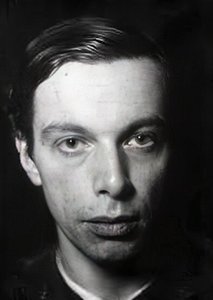
エルンスト・リュドヴィヒ・キルヒナー
1880 - 1938 , ドイツ
アーティスト情報
- Artistic Movement Or Style: 表現主義
- Artists Who Influenced This Artist:
- アルブレヒト・デューラー
- ゴッホ
- モナハン
- Date Of Birth: 5月6日1880年
- Date Of Death: 6月15日1938年
- Full Name: Ernst Ludwig Kirchner
- Nationality: ドイツ人
- Notable Artworks:
- ストリート(1908)
- 躍動するダンサー(1912)
- 自画像(1910)
- 五人の女性
- Place Of Birth: アッシャーフェンブルク、ドイツ
関連記事

Dark Masterpieces: 10 Iconic Paintings Dominated by Black Tones |
Explore 10 iconic paintings dominated by black tones, from Rembrandt’s chiaroscuro to Goya's dark expressions. Discover the stories behind these masterpieces & find museum-quality art reproductions for your home at .

German Expressionism's 10 Defining Masterpieces | Art for Your Home
Explore 10 defining German Expressionism masterpieces – from Munch's 'The Scream' to Kandinsky’s abstracts. Discover the artists, stories & bold colors behind this powerful art movement. Find museum-quality reproductions at AllPaintingsStore.com.

Unmasking Emotion: A Journey Through the Raw Power and Visceral Beauty of German Expressionism
Explore the raw emotional power of German Expressionism. From Kirchner to Die Brücke, discover how artists used distortion and vibrant color to unmask the human psyche. A deep dive into art history for the discerning collector and enthusiast.

The Vibrant World of Ernst Ludwig Kirchner: A Definitive Guide to German Expressionism
Explore the raw emotion of German Expressionism through a definitive guide to Ernst Ludwig Kirchner. Discover how his bold colors and distorted forms redefined modern art history, from Berlin street scenes to iconic masterpieces.

Ernst Ludwig Kirchner: Expressionism's Urban Anxiety & the Fragmentation of Modern Identity
Explore the powerful world of Ernst Ludwig Kirchner and German Expressionism. Discover his iconic paintings, Die Brücke group, and the movement's exploration of urban anxiety & modern identity. Expert analysis for collectors & enthusiasts.


