


 プレビュー
プレビュー
 プリントを購入
 シェアする
シェアする シェアする
シェアする
 詳細を見る
詳細を見る

 ダウンロード
 似ている作品
 X線調査
X線調査 スライドショー
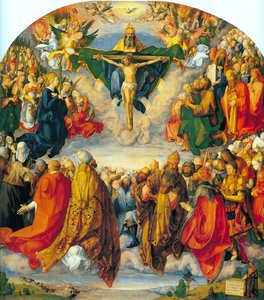
Immaculate Conception
 1523
1523 217.0 x 210.0 cm
 Museo Diocesano
 詳細を見る
詳細を見る




































作品のオリジナル比率に合わせた、当店の規定サイズからお選びください。

特定のフレームやスペースに合わせて、ご希望のサイズをご入力いただけます。選択されたサイズが元の画像の比率と異なる場合、アートワークをトリミングするか、手描きで要素を追加して絵画を拡張いたします。デジタルモックアップ を制作し、制作開始前にご確認(承認)をいただきます。
画面上のプレビューは、実際のトリミングや拡張を正確に反映しているものではありません。最終的な構図は、モックアップによってのみ正確にご確認いただけます。
カスタムサイズもご利用いただけますが、元の比率を維持するためには、あらかじめ用意されたリストからサイズを選択することをお勧めいたします。
ご注文後、AllPaintingsStore.com チームより詳細な指示をお送りするとともに、仕上がりイメージ(モックアップ)をご提供いたします。


 ガラスオプションは、110cm未満のサイズでのみご利用いただけます。

Immaculate Conception
複製技法
複製画のサイズ
-


合計金額
$ 258
関連作品



アーティストの略歴
Francesco Signorelli: A Renaissance Master of Dramatic Foreshadowing
Francesco Signorelli (c.1495–1553) stands as a pivotal figure in the Italian Renaissance, largely overshadowed by his more celebrated uncle, Luca Signorelli, yet undeniably possessing an artistic legacy marked by profound innovation and masterful execution. Born in Cortona, Umbria—a region steeped in Etruscan history and burgeoning humanist ideals—Signorelli’s life unfolded amidst the intellectual fervor of the era, shaping him into a painter deeply attuned to both classical aesthetics and Christian spirituality. Precise biographical details remain elusive, primarily gleaned from his surviving artworks and scholarly interpretations, reflecting the common practice of documenting artists during this period.- Early Influences: Signorelli’s artistic education began under Luca Signorelli, who instilled in him a meticulous approach to anatomy and perspective—techniques that would become hallmarks of Signorelli's distinctive style. Luca’s influence extended beyond mere technical instruction; he fostered a commitment to portraying biblical narratives with dramatic intensity and psychological depth.
- Cortona and Umbrian Patronage: Signorelli established his artistic career in Cortona, securing commissions from prominent ecclesiastical patrons—a testament to the esteem accorded to artists during the Renaissance. His frescoes adorning churches throughout Umbria showcase his mastery of color and composition, demonstrating a remarkable ability to convey emotion and narrative complexity.
- Notable Works: Signorelli’s artistic output includes monumental frescoes depicting biblical scenes, notably “The Nativity” in Spoleto Cathedral—a masterpiece celebrated for its anatomical accuracy and emotive portrayal of the Virgin Mary and Joseph. Equally impressive is his depiction of “The Triumph of Saint Francis” in Pienza Cathedral, where he skillfully captures the saint's humility and spiritual fervor through nuanced shading and expressive gestures.
Technique and Artistic Innovation: Foreshortening and Dramatic Composition
Signorelli’s artistic approach distinguished itself from prevailing stylistic trends of his time—primarily through his pioneering use of foreshortening—a technique borrowed from classical sculpture that allowed him to create illusions of depth and realism within planar surfaces. This innovative method, meticulously applied in works like “The Nativity,” revolutionized painting conventions and foreshadowed developments in Baroque art. Signorelli’s compositions were characterized by dynamic movement and theatrical staging, reflecting a desire to engage the viewer emotionally and intellectually—a hallmark of Renaissance artistic ambition. He skillfully manipulated light and shadow to heighten dramatic impact, creating scenes imbued with palpable tension and spiritual resonance.- Classical Influence: Signorelli’s anatomical studies drew inspiration from classical sculpture, particularly Michelangelo Buonarroti's explorations of human form—demonstrating the enduring influence of Greco-Roman ideals on Renaissance art.
- Dramatic Foreshortening: Signorelli’s masterful execution of foreshortening created astonishing illusions of depth and realism within frescoes, surpassing conventional techniques of his time.
Legacy and Historical Significance
Despite the relative obscurity surrounding Signorelli's personal life, his artistic achievements cemented his place as a significant contributor to the Italian Renaissance—a period defined by humanist scholarship, artistic experimentation, and religious fervor. Signorelli’s frescoes continue to captivate audiences today, serving as enduring symbols of Christian piety and artistic excellence. His innovative techniques—particularly foreshortening—influenced subsequent generations of painters, shaping the trajectory of Baroque art and establishing him as a precursor to dramatic visual storytelling. Francesco Signorelli's contribution to Renaissance art remains an inspiring testament to artistic vision and technical prowess.Further Exploration
For deeper insights into Signorelli’s life and work, consult scholarly publications exploring his stylistic evolution and contextualizing his achievements within the broader intellectual landscape of the Renaissance. Examining his influence on Luca Signorelli and Michelangelo Buonarroti provides valuable perspective on artistic lineages and shared aesthetic sensibilities.
francesco signorelli
1495 - 1553 , Italy
基本情報
- Artistic Movement Or Style: Renaissance
- Artists Or Movements Influenced By This Artist: ['Baroque']
- Artists Who Influenced This Artist: ['Luca Signorelli']
- Date Of Birth: c. 1495
- Date Of Death: 1553
- Full Name: Francesco Signorelli
- Nationality: Italian
- Notable Artworks: ['Holy Family with Saints John, Elisabeth, and Zacharias']
- Place Of Birth: Cortona, Italy



