


 プレビュー
プレビュー
 プリントを購入
 シェアする
シェアする シェアする
シェアする
 詳細を見る
詳細を見る

 ダウンロード
 似ている作品
 X線調査
X線調査 スライドショー
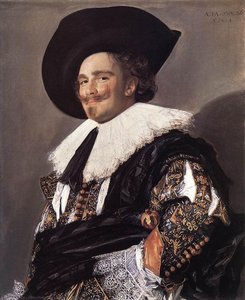
Laughing Boy


 詳細を見る
詳細を見る
オンラインプレビューをはるかに凌ぐ、高解像度で鮮明なデジタル画像をご購入いただけます。
各ファイルは、社内の専門家が高度なツールと熟練した手作業によるレタッチを用いて、細心の注意を払って準備されています。すべての画像において、卓越した鮮明度、正確な色彩再現性、そして繊細なディテールを保証いたします。
最終ファイルは、プロフェッショナルな編集・印刷環境ですぐにご利用いただけるよう最適化された状態で、72時間以内にメールにてお届けいたします。これは、一流のデザインスタジオ、出版社、ギャラリーから信頼されているものと同等の品質です。
デジタル画像のご注文に付随する特典
高品質なデジタル画像配信を、確かな品質で。
AllPaintingsStore.com を選ぶことは、単に画像を手に入れることではありません。それは、プロの手によって精密に仕上げられ、満足保証が付いた高品質なデジタルアートワークを受け取ることを意味します。ご注文いただいた際に自動的に付随する内容は、以下の通りです:

メールですぐにお届け
ご注文から72時間以内に、高解像度のデジタル画像ファイルがメールでお手元に届きます。すぐにそのままご利用いただけます。

AI技術で最適化されたデジタルファイル
お客様の作品は、高度なAIツールと専門家による手作業の編集を組み合わせてプロフェッショナルに最適化されており、細部のディテール、鮮明さ、そして正確な色再現性を最大限に引き出しています。

一生涯無料の再送サービス
ファイルを誤って削除したり、紛失してしまったりしましたか?ご安心ください。いつでも無料で再送いたします。

輸入手数料は一切かかりません
関税や手数料、配送料を気にすることなく、お気に入りのアートワークをすぐにお楽しみいただけます。デジタルダウンロードは常に免税です。

色彩再現の保証
プロ仕様のツールとカラーマネジメント技術を用いることで、デジタル画像が元の色を最大限に忠実に再現することを保証いたします。

60日間満足保証
ご購入いただいたデジタル画像にご満足いただけない場合は、60日以内であれば、修正または100%の返金(理由を問う必要はありません)をさせていただきます。

100% 返金保証
ご満足いただけない場合は、デジタルファイルを受け取ってから60日以内であれば、理由を問わず全額返金いたします。

まとめ買い割引
3枚購入で10%OFF - 5枚購入で15%OFF - 10枚以上購入で20%OFF。クリエイティブなプロジェクト、ギャラリー、エージェンシーに最適です。
作品の詳細
A Moment of Unburdened Joy: Frans Hals’ “Laughing Boy”
Frans Hals' "Laughing Boy," painted around 1625, isn’t merely a portrait; it’s a distillation of youthful exuberance captured with an unprecedented immediacy. This small, circular canvas—a ‘tondo,’ as these intimate portraits are known—immediately draws the viewer in with its subject’s open-mouthed grin and wide, innocent eyes. It's a scene brimming with life, a fleeting moment frozen in time that speaks volumes about the spirit of childhood and the artist’s remarkable ability to convey personality through subtle brushstrokes.
The painting exists within the context of Hals’ innovative approach to portraiture during the Dutch Golden Age. He deliberately moved away from the stiff formality prevalent at the time, favoring a looser, more spontaneous style that prioritized capturing the subject's essence rather than adhering to rigid conventions. Hals was fascinated by the ‘tronie,’ a genre of informal character studies—often depicting young boys or girls—that allowed him to explore expressive gestures and fleeting emotions. “Laughing Boy” exemplifies this approach perfectly; it’s not a meticulously posed likeness, but a vibrant portrayal of a boy lost in his own world, radiating an infectious joy.
The Dance of the Brush: Technique and Style
Hals' distinctive technique is immediately apparent upon closer inspection. His brushwork isn’t blended or smoothed; instead, it’s visible, dynamic, and full of energy. He employed a ‘wet-in-wet’ method—applying paint while the previous layer was still wet—which creates soft edges and luminous effects. This technique contributes significantly to the painting's sense of immediacy and spontaneity. Notice how the brushstrokes follow the contours of the boy’s face, capturing the play of light and shadow with remarkable sensitivity.
The color palette is restrained yet effective. The predominantly white shirt provides a bright backdrop for the boy’s youthful features, while subtle variations in tone suggest the texture of his skin and clothing. Hals masterfully uses highlights to draw attention to the boy's face, emphasizing his open mouth and sparkling eyes – the very source of the painting’s captivating charm. The lack of background detail further focuses our attention on the subject, intensifying the feeling of intimacy.
Symbolism and Interpretation
While seemingly simple, “Laughing Boy” is rich in symbolic potential. The boy's laughter isn’t just a display of happiness; it represents freedom, innocence, and a carefree spirit—qualities highly valued during the turbulent times of the Dutch Republic. Some art historians have suggested that the soap bubble floating above his head – a detail often overlooked – symbolizes fleeting beauty and the ephemeral nature of childhood joy. It's a visual reminder that these moments are precious and should be cherished.
The circular format itself is significant. Tondos were popular in Hals’ time, offering a sense of intimacy and immediacy. They also allowed him to experiment with composition and create a visually engaging portrait. The round shape mirrors the boy's face, further emphasizing his youthful appearance and creating a harmonious whole.
A Timeless Echo: Emotional Impact
"Laughing Boy" transcends its historical context and continues to resonate with viewers today because of its profound emotional impact. It’s a painting that evokes feelings of warmth, nostalgia, and pure joy. The boy's genuine smile is infectious, inviting us to share in his carefree spirit. It serves as a poignant reminder of the simple pleasures of life—a moment of unburdened happiness captured forever on canvas.
Whether viewed in person or reproduced, “Laughing Boy” remains a testament to Frans Hals’ genius and a timeless celebration of childhood innocence. It's more than just a portrait; it’s an invitation to rediscover the joy within ourselves.


作家の略歴
Frans Hals: Life and Legacy
Early Life and Training
Frans Hals the Elder, born in Antwerp, Belgium around 1582, was a pivotal figure in Dutch Golden Age painting. His family moved to Haarlem, Netherlands, when he was still young, escaping the religious conflicts of the time. Details about his early life and artistic training remain somewhat scarce, but it is believed he entered the Haarlem Guild of St. Luke – a prestigious artists’ association – where he likely received foundational instruction.
Artistic Development and Style
Hals distinguished himself through a remarkably innovative style. He moved away from the highly polished, idealized portraits common at the time, opting for a more dynamic and spontaneous approach. His brushwork was loose and visible, creating a sense of immediacy and capturing the personality of his subjects with unprecedented realism. This technique foreshadowed later developments in Impressionism.
- Loose Brushwork: Hals’ signature style involved applying paint in free, energetic strokes.
- Capturing Personality: He excelled at conveying the character and emotions of those he painted.
- Genre Scenes: Beyond portraits, Hals also created lively genre scenes depicting everyday life.
Major Works and Achievements
Throughout his career, Hals produced a substantial body of work, including individual portraits, group portraits (a field he significantly advanced), and genre paintings. Some of his most celebrated pieces include:
- The Laughing Cavalier (1624): Perhaps his most famous work, showcasing his mastery of capturing a fleeting expression.
- Portrait of a Man with a Black Hat (c. 1635): Demonstrates his skill in rendering textures and conveying character.
- Regents of the St. Elisabeth Hospital (1641): A complex group portrait displaying his ability to organize multiple figures within a composition.
- Malle Babbe (c. 1633-1635): An intriguing and unconventional portrayal of an elderly woman.
Influences and Legacy
While Hals’ influences are not definitively documented, it is likely he was impacted by the work of earlier Dutch and Flemish painters. However, his style was largely original and profoundly influenced subsequent generations of artists.
- Nicolaes Pieterszoon Berchem: A fellow Dutch painter known for his pastoral landscapes, who adopted Hals’ looser brushwork.
- Cornelis Hendrickszoon Vroom: Another prominent figure in the Dutch Golden Age, influenced by Hals's dynamic compositions.
Hals’ impact extended far beyond his own time. His emphasis on capturing personality and his innovative technique paved the way for later artists like Édouard Manet and the Impressionists. He remains a central figure in the history of portraiture and Dutch Golden Age painting.
Historical Significance
Frans Hals lived during a period of immense prosperity and cultural flourishing in the Netherlands – the Dutch Golden Age. His work reflects the values of this era: realism, individualism, and a celebration of everyday life. He died in Haarlem in 1666, leaving behind a legacy as one of the most important and innovative painters of his time. Today, his paintings are held in major museums worldwide, including the Frans Hals Museum in Haarlem, dedicated to his life and work.

frans hals the elder
1582 - 1666 , Belgium
プロフィール概要
- Birth Date: 1582
- Birth Place: Antwerp, Belgium
- Death Date: 1666
- Influenced:
- Nicolaes Pieterszoon Berchem
- Cornelis Hendrickszoon Vroom
- Movement: Dutch Golden Age painting, Baroque
- Name: Frans Hals the Elder
- Nationality: Dutch
- Notable Works:
- The Laughing Cavalier
- Portrait of a man with a black hat
- Regents of the St. Elisabeth Hospital



