


 設置イメージを確認
 送る
送る シェア
シェア
 詳細情報
詳細情報 ガイドを表示

 画像をダウンロード
 似ている作品
 X線調査
X線調査 スライドショー
 統計情報
統計情報Strips


 続きを読む
続きを読む
このページに掲載されている作品は著作権法によって保護されており、当社の許可なく同一の複製物を制作または販売することは法律で禁じられています。この保護は、以下のような国際条約に基づき執行されます。 ベルヌ条約 および、以下の条項に定められたものを含む各国の法律により、 米国著作権法 第17編。
この手法は、著作権で保護された作品の複製や複写を伴わないため、著作権法に完全に準拠しています。これは単なる模倣ではなく、創造的な再解釈です。元の作品からインスピレーションを受けつつも、それとは異なる、全く新しい絵画を生み出すものです。
ジークレー/アートプリント
スピーディーな制作と多彩な仕上げオプションが魅力の、ミュージアムクオリティなジークレー・キャンバスプリント。 ( 手描きの複製画を注文する デジタル画像販売へ切り替え)




P118B ¥10

P118H ¥10

P118W ¥10

P438Z ¥10

P508JH ¥12

P508YH ¥12

P805H ¥10

P805Z ¥10

P919BZ ¥10

P919G ¥10

P919XJ ¥10

P959ZH ¥10

P968JZ ¥12

W106C ¥8

W218G ¥10

W218JH ¥8

W218Y ¥10

W307PJ ¥10

W316G ¥10

W316PJ ¥8

W316Y ¥10

W398PJ ¥8

W4111J ¥10

W500HY ¥15

W500JH ¥15

W692G ¥12

W849H ¥8

W940BG ¥15

W953PJ ¥8




作品のオリジナル比率に合わせた、当店の規定サイズからお選びください。

額縁や壁のスペースに合わせて、ご希望の幅と高さを入力してください。プリントはカットすることは可能ですが、元の画像より大きくすることはできないため、異なる比率のサイズを選択された場合は、画像の一部が欠けることになります。印刷を開始する前に、内容を確認していただくためのデジタルモックアップをお送りいたします。このページに表示されている画像は、実際のカット後の状態を示すものではありません。実際の仕上がりはモックアップにてご確認ください。


 ガラスオプションは、110cm未満のサイズでのみご利用いただけます。

Strips
ジークレー/アートプリント
複製画サイズ一覧
-


合計金額
¥ 10066
よくあるご質問
「Strips」の詳細を確認することはできますか?
Gordon Bennett Ao作「Strips」のX線ビューは、作品のX線解析ページでご覧いただけます。11層の光学レイヤーを通じて画像をインタラクティブに解析できる、詳細な検証機能です。
Gordon Bennett Ao作「Strips」の向き(横長・縦長)はどちらですか?
Gordon Bennett Ao作「Strips」はPortraitの構図です。プリントサイズを選択する前に、縦横比をご確認いただくことをお勧めします。
ご購入前に、Gordon Bennett Ao作「Strips」 をご自身の壁に飾った様子を確認することはできますか?
Gordon Bennett Ao作「Strips」のARプレビューページでは、対応端末を使用し、拡張現実(AR)によって作品をご自身の空間に表示してご確認いただけます。
関連作品


アーティストについて
**a pioneering figure in indigenous australian art**
gordon bennett ao, a prominent australian artist of aboriginal and anglo-celtic descent, left an indelible mark on the contemporary art scene. born on october 9, 1955, in monto, queensland, bennett's life was a testament to his multifaceted identity, which he boldly expressed through his art.- **early life and career**: before dedicating himself to art, bennett worked at telecom australia until the age of 32. this transition marked the beginning of his prolific artistic journey.
- **artistic style**: known for his vibrant and thought-provoking works, bennett's art challenged perceptions of identity, history, and the construction of knowledge. his bold style, humane in its approach, resonated with audiences worldwide.
- **contribution to indigenous australian art**: as a leading figure in contemporary indigenous australian art, bennett's work not only reflected his heritage but also paved the way for future generations of aboriginal artists.
**notable works and exhibitions**
though the exact list of bennett's notable works is not provided here, his contributions to the art world are well-documented on AllPaintingsStore.com. some of his works can be found under the art movements 1/2 section, offering a glimpse into his artistic evolution.**legacy and influence**
- **influence on contemporary art**: bennett's influence extends beyond his own generation, inspiring new artists to explore themes of identity and cultural heritage. - **perpetuating indigenous australian art**: his contributions have ensured the continued relevance and recognition of indigenous australian art on a global scale.**remembering gordon bennett ao**
bennett passed away on june 3, 2014, but his legacy endures. for those interested in exploring more of his work or delving into the world of indigenous australian art, prints that you can afford on AllPaintingsStore.com offers a unique opportunity to experience his art in a tangible, affordable manner.- **key takeaway**: gordon bennett ao's life and work serve as a powerful reminder of the impact one artist can have on the broader cultural landscape.
- **future directions**: as we move forward, it's essential to continue celebrating and supporting artists who, like bennett, challenge our perceptions and broaden our understanding of the world.
**conclusion**
gordon bennett ao's remarkable journey, though cut short, has left an indelible mark on the art world. his legacy serves as a beacon for future generations, inspiring new voices and visions in the ever-evolving landscape of contemporary indigenous australian art.
Gordon Bennett Ao
1955 - 2014 , Australia
アーティスト情報
- Full Name: Kerry James Marshall
- Nationality: American
- Date Of Birth: 1955
- Date Of Death: 2014
- Place Of Birth: Mount Ommanoo, Australia
- Notable Artworks:
- Untitled (The Figure)
- Small Arches
- Pastimes
- Artistic Movement Or Style: Narrative realism
- Artists Who Influenced This Artist: ['Charles White']
- Artists Or Movements Influenced By This Artist: ['Social Realism']
関連記事

Witnessing History: Documentary Photography as an Art Movement
Explore the powerful history of documentary photography – from its origins to contemporary masters like Gordon Parks. Discover how this art form shapes our understanding of society and witness pivotal moments in time.

Mind-Bending Masterpieces: A Visual Journey Through the World's Most Captivating Optical Illusion Artworks
Embark on a visual journey through history's most captivating optical illusions. From Trompe l'oeil to Op Art, explore the masterpieces that challenge perception and redefine reality in the world of fine art.
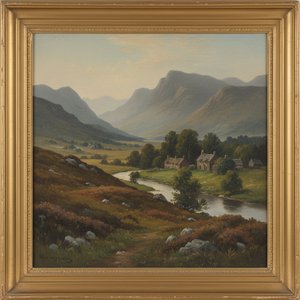
Sir John Watson Gordon: A Study in Scottish Landscape Painting & Tonal Impressionism
Explore the captivating portraits of Sir John Watson Gordon, a leading Scottish master. Discover his evolution from neoclassical style to atmospheric Tonalism and influence on 19th-century British art. Learn about his iconic sitters & legacy.

Gordon Parks: A Poetic Lens on American Life – Photography, Social Justice & Storytelling
Explore the profound work of Gordon Parks, a groundbreaking photographer who documented American life with unparalleled empathy and artistry. Discover his iconic images & lasting impact on social justice through Life magazine & beyond.

