プレビュー
プレビュー
 シェアする
シェアする シェアする
シェアする
 詳細を見る
詳細を見る

 ダウンロード
 似ている作品
 X線調査
X線調査 スライドショー
Orpheus and Eurydice


 詳細を見る
詳細を見る
ジークレー/アートプリント
迅速な制作と多彩な仕上げオプションを備えた、ミュージアムクオリティのジークレーまたはキャンバスプリント。 ( 手描き画への切り替え 画像に切り替え)




P118B $10

P118H $10

P118W $10

P438Z $10

P508JH $12

P508YH $12

P805H $10

P805Z $10

P919BZ $10

P919G $10

P919XJ $10

P959ZH $10

P968JZ $12

W106C $8

W218G $10

W218JH $8

W218Y $10

W307PJ $10

W316G $10

W316PJ $8

W316Y $10

W398PJ $8

W4111J $10

W500HY $15

W500JH $15

W692G $12

W849H $8

W940BG $15

W953PJ $8




作品のオリジナル比率に合わせた、当店の規定サイズからお選びください。

特定のフレームやスペースに合わせて、ご自身でサイズを指定することも可能です。選択されたサイズが元の画像の比率と一致しない場合、作品をトリミングするか、鏡面反射または単色での塗りつぶしによって画像を拡張いたします。制作を開始する前に、ご確認用のデジタルモックアップをお送りいたします。
画面上のプレビューには、実際のトリミングや拡張は反映されませんのでご注意ください。最終的な構図を正確に確認できるのは、モックアップのみとなります。
カスタムサイズも承っておりますが、元の比率を維持するためには、あらかじめ用意されたリストからサイズを選択することをお勧めいたします。


 ガラスオプションは、110cm未満のサイズでのみご利用いただけます。

Orpheus and Eurydice
ジークレー/アートプリント
複製画のサイズ
-


合計金額
$ 64
作品詳細説明
A Symphony of Gold and Sorrow
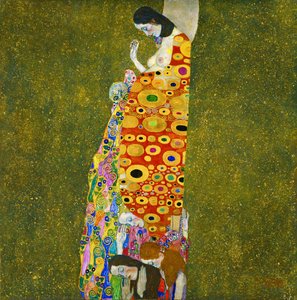
In the quiet intersection of myth and mastery, Gustav Klimt’s Orpheus and Eurydice emerges as a profound meditation on the fragility of human connection. Completed in 1885, this evocative work serves as an early emblem of the Viennese Secession’s burgeoning fascination with Symbolism, capturing a moment that feels both eternal and heartbreakingly fleeting. The painting portrays the legendary musician Orpheus serenading his beloved Eurydice as she begins her ascent from the underworld, a narrative that transcends mere Greek mythology to become a universal exploration of love, loss, and the yearning for transcendence. As the viewer gazes upon the scene, there is an undeniable sense of tension—the delicate balance between life and death, and the desperate struggle to hold onto what is already slipping away.
The composition is a masterclass in the Art Nouveau aesthetic, often referred to as Jugendstil. Eschewing the rigid geometric precision of academic traditions, Klimt utilizes flowing, organic lines and curvilinear forms that evoke the rhythmic pulse of the natural world. The setting, a lush garden atmosphere, provides a soft backdrop to the central figures, where the presence of nature—including a solitary bird perched in the periphery—adds a layer of delicate harmony to the composition. This fluidity is not merely stylistic but emotional; the very lines of the painting seem to breathe with the same uncertainty as the lovers themselves, creating a visual language that speaks directly to the soul.
The Alchemy of Technique and Light
What truly distinguishes this masterpiece is Klimt’s groundbreaking approach to texture and luminosity. Utilizing tempera paint on canvas, the artist achieved a level of durability and brilliance that allows the colors to resonate with an ethereal glow. However, it is his pioneering application of gold leaf that transforms the work into something otherworldly. This shimmering technique, inherited from his father’s expertise as a gold engraver, imbues the surface with a divine quality. The light does not simply hit the painting; it seems to emanate from within it, casting a celestial radiance that elevates the tragic subject matter into the realm of the sacred.
This use of gold serves a dual purpose: it is both a technical triumph and a profound symbolic tool. In the context of Klimt’s work, the golden hues represent divine grace and immortality, acting as a visual counterpoint to the mortal sorrow depicted in the figures' expressions. For the collector or interior designer, this interplay of light and precious texture offers an unparalleled opportunity to introduce a sense of opulence and historical depth into a space. A high-quality reproduction of this piece brings not just a painting, but a tactile experience of luxury and a window into the golden age of Viennese art.
A Legacy for the Modern Collector
To possess a reproduction of Orpheus and Eurydice is to invite a conversation about the human condition into one's home. The painting captures the exact moment of transition—the bittersweet reconciliation between the earthly and the divine. For those seeking to curate an environment of intellectual depth and emotional resonance, this work provides a focal point that is both visually arresting and narratively rich. It stands as a testament to Klimt’s ability to weave complex esoteric ideas into a beautiful, accessible tapestry of color and form.
Whether placed in a contemporary gallery setting or a classic study, the artwork commands attention through its balanced composition and the haunting beauty of its subject. It remains an essential piece for anyone moved by the power of Symbolism and the enduring allure of the golden light that Klimt so masterfully captured over a century ago.
関連作品


アーティストの略歴
幼少期と芸術的ルーツ
グスタフ・クリムトは、1862年7月14日、ウィーン郊外のバウムガルテンに生まれました。彼の家族は芸術的な才能と経済的な苦難の両方を背負っていました。父エルンスト・クリムトは金細工師であり、その仕事が若いグスタフの美的感覚に微妙な影響を与えました—金の箔の魅力、緻密なディテール、そして贅沢さです。家族の生活は貧しく、ウィーン市内での頻繁な引っ越しを余儀なくされました。この不安定な環境が、クリムトの鋭い観察眼と人間経験への感受性を育んだのかもしれません。幼少期から絵を描く才能を発揮し、父の仕事や生まれつきの才能によってその才能は開花しました。1876年、彼はウィーン応用美術学校に入学し、フェルディナント・ラウフベルガーのもとで建築装飾画を学びました。この経験は彼に確かな技術的基盤を与えましたが、同時に当時の主流であったアカデミックな様式にも触れさせました—クリムトは後にこれらの様式に挑戦し、それを超えていくことになります。ここで彼は兄のエルンストやフランツ・フォン・マッハと重要な芸術的なパートナーシップを築き、装飾壁画や天井画の初期の依頼を獲得しました。これは彼の将来の成功への礎となりました。ウィーン分離派の台頭
1890年代に入ると、クリムトはウィーンのアカデミックな美術界に対する幻滅感を募らせていました。彼はより大きな創造的な自由を求め、伝統の制約から解放された空間で革新が花開くことを願っていました。この欲求が高まった結果、1897年にウィーン分離派が結成されました—オーストリア美術史における重要な瞬間です。クリムトは最初の会長に選出され、その動きの代表者となりました。この運動は、硬直したアカデミックな規範から脱却し、ヨーロッパ全土を席巻していた新たな芸術潮流—アールヌーヴォー、象徴主義、ジャポニスム—を受け入れることを目指しました。ヨゼフ・マリア・オブリヒによって設計された分離派の展覧会ビルは、この反乱の象徴となりました。クリムトの作品は分離派の精神を体現し、従来の美学からの脱却と装飾的な要素、大胆な色彩、象徴的なイメージの受容を表していました。彼の絵画は愛、死、そして性といったテーマを探求し、前例のない率直さで社会規範に挑戦し、賞賛と怒りを引き起こしました。黄金期と芸術的成熟
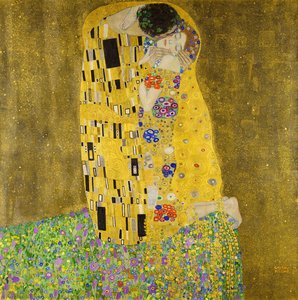
1900年頃から、クリムトは「黄金期」と呼ばれる時期に入りました。この時期は、ビザンティン・モザイクや中世の写本装飾に触発された金の箔を贅沢に使用することによって特徴づけられました。この技法は彼の絵画をきらめく異世界のビジョンへと変貌させ、精神的な深さと官能的な魅力が宿るようにしました。『接吻』(1907-1908)は、おそらく彼の最も象徴的な作品であり、このスタイルを体現しています—黄金のオーラに包まれ、複雑なパターンで飾られたカップルが抱擁し合っています。この時期には、アデレ・ブロッホ=バウアーI世(1907年)など、素晴らしい肖像画も制作されました。彼は肉体的特徴だけでなく、被写体の心理的な複雑さまでも捉える能力を示しました。クリムトは絵画と装飾の境界線を曖昧にし、構成要素に装飾的な要素を統合することで、形と内容が調和した融合を生み出しました。日本の芸術—ジャポニスム—の影響は特に顕著であり、彼の平坦な視点、線の強調、そして装飾的なパターンが見られました。論争、影響、そして永続的な遺産
クリムトのキャリアは論争なしには過ぎませんでした。1900年、彼はウィーン大学の大講堂の天井画を制作する権威ある依頼を受けました。哲学、法学、神学を表すこれらの壁画は、保守的な批評家から挑発的でさえポルノ的であると非難され、公衆からの猛反発を引き起こし、最終的にクリムトが政府からのさらなる依頼を拒否する原因となりました。この出来事は彼のキャリアの転換点となり、より私的なパトロナージへと彼を押しやり、より大きな芸術的な自由を与えました。生涯を通じて、クリムトはハンス・マカートの歴史的絵画からビザンティンや日本の装飾美術まで、多様なアーティストやスタイルからの影響を受けました。彼はまた、神話、寓意、そして潜在意識といったテーマを探求する象徴主義運動からもインスピレーションを得ました。グスタフ・クリムトは1918年2月6日にスペインかぜのパンデミック中に脳卒中で亡くなるまで、精力的に絵を描き続けました。彼の後期の作品はより抽象的な形態と風景を探求し、芸術的進化を続けています。彼は現在、オーストリア美術史における最も重要な人物の一人であり、ウィーン分離派の主要な推進者であり、アールヌーヴォーのエレガンスの不朽の象徴として認識されています。彼の絵画はオークションで高値で取引されており、その影響力は現代芸術とデザインにも共鳴し続けています。主な特徴と芸術的スタイル
- 象徴主義: クリムトの作品は深く象徴的であり、愛、死、性、そして人間の状態といったテーマを探求しています。
- アールヌーヴォー: 彼はアールヌーヴォー運動の主要な人物であり、有機的な線、装飾的なパターン、美への重点が特徴です。
- 黄金期: 金箔の使用は、彼の「黄金期」を定義するスタイルとなり、きらめく豪華な表面を作り出しました。
- 装飾的要素: クリムトは構成要素に装飾的な要素を取り入れ、絵画と装飾の境界線を曖昧にしました。
- 女性像: 女性の体は彼の作品の中心的な主題であり、しばしば官能性と心理的な深みで描かれています。
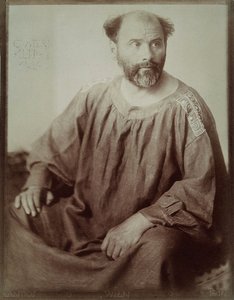
グスタフ・クリムト
1862 - 1918 , オーストリア
基本情報
- フルネーム: グスタフ・クリムト
- 主な作品:
- 接吻
- アデレ・ブロー=バウアーI世の肖像
- 水蛇
- 出生地: オーストリア、バウムガルテン
- 国籍: オーストリア
- 影響を与えたアーティスト:
- エゴン・シーレー
- 表現主義
- シュルレアリスム
- 影響を受けたアーティスト:
- ハンス・マカート
- 日本の美術
- 死亡年月日: 1918年2月6日
- 生年月日: 1862年7月14日
- 芸術運動またはスタイル: 象徴主義、アールヌーヴォー
関連記事
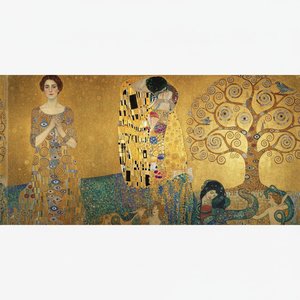
グスタフ・クリムト傑作25選:華麗なる装飾性と象徴が織りなす世界 | AllPaintingsStore
グスタフ・クリムトの傑作25選。華麗なる装飾性と象徴が織りなす世界を紐解きます。キス、ポートレートなど、美術史に残る名画の物語と技法をAllPaintingsStoreで。高品質複製画やインテリアアートも豊富に。今すぐコレクションをご覧ください。

アール・ヌーヴォーを彩る至宝:10の傑作が語る芸術と装飾の世界
アール・ヌーヴォーの魅力を再発見!ムンロ、ドレ、ガウディ…10の傑作が織りなす曲線美の世界。芸術と装飾が融合した至高のアートをAllPaintingsStoreで堪能し、お部屋に新たな彩りを。コレクションをオンラインで探索しましょう。
メトロポリタン美術館の至宝25選:名画とアートが語る歴史と美【AllPaintingsStore】
メトロポリタン美術館の至宝25選。モネ、ゴッホ、レンブラント…名画に秘められた物語と技法を紐解きます。印象派からルネサンスまで、時代を超えて輝く芸術作品をウォールアートで暮らしに取り入れませんか?AllPaintingsStore.comで全コレクションをご覧ください。

象徴主義を定義する至宝:アート界の深遠なる10選|AllPaintingsStore
象徴主義を代表する10選。ゴーギャン、モーレら至宝の作品が織りなす精神世界と色彩の美。深遠なる芸術体験をAllPaintingsStoreで。高品質複製とインテリア提案で、あなただけの空間を彩りませんか?今すぐオンラインでコレクションを探索!
ナショナル・ギャラリーの至宝25選:名画が語る芸術と歴史 | AllPaintingsStore
ワシントン美術館の至宝25選。セザンヌ、マティス、ピカソ…名画に秘められた物語と色彩を紐解きます。AllPaintingsStoreで高品質な絵画複製やインテリアアートを見つけ、お部屋に芸術の輝きを。今すぐコレクションをご覧ください!