


 設置イメージを確認
 送る
送る シェア
シェア
 詳細情報
詳細情報 ガイドを表示

 画像をダウンロード
 似ている作品
 X線調査
X線調査 スライドショー
 統計情報
統計情報Polyphème

 続きを読む
続きを読む
Get a print-ready file that goes far beyond the web preview. Every digital image we sell comes from a high-resolution master in our stock database — usually 5,000 to 15,000 pixels wide — so you can print large, crop tightly, or reproduce fine detail with confidence.
No file leaves our studio untouched. A digital expert checks the colors against the original painting and corrects them if needed, then improves clarity and detail with professional retouching tools — always staying faithful to the artist's brushwork and style. The result is an image that looks like the painting, not like a filtered scan.
You approve before you're done: our expert sends the image by e-mail within 72 hours for your review. Not satisfied? Ask for improvements or corrections, or request a refund if the quality falls short.
This is the quality relied on by publishers, design studios, galleries and print shops.
デジタル画像
個人での鑑賞、印刷、クリエイティブなプロジェクトにご利用いただける高解像度ファイルをダウンロードできます。 ( プリント版に切り替え 手描きの複製画を注文する)
デジタル画像のご注文に付随する特典
プロフェッショナルなデジタル配信を、確かな品質で。
AllPaintingsStore.com を選ぶことは、単に画像を手に入れることではありません。プロの手によって精密に仕上げられ、満足保証が付いた高品質なデジタルアートワークを受け取ることを意味します。ご注文いただいた際に自動的に付随する内容は、以下の通りです:

メールですぐにお届け
ご注文から72時間以内に、高解像度のデジタル画像ファイルをメールでお送りいたします。お手元に届き次第、すぐにご利用いただけます。

AI技術で最適化されたデジタルファイル
お客様の作品は、高度なAI技術と専門家による手作業を組み合わせてプロフェッショナルに最適化されており、細部のディテール、鮮明さ、そして正確な色再現性を最大限に引き出しています。

一生涯無料の再送サービス
ファイルを誤って削除したり、紛失してしまったりしましたか?ご安心ください。いつでも無料で再送いたします。

輸入手数料は、いつでも一切かかりません
関税や手数料、配送料を気にすることなく、お気に入りのアートワークをすぐにお楽しみいただけます。デジタルダウンロードは常に免税です。

正確な色彩の保証
プロ仕様のツールとカラーマネジメント技術を用いることで、デジタル画像が元の色を最大限に忠実に再現することを保証いたします。

100日間満足保証
ご購入いただいたデジタル画像にご満足いただけない場合は、100日以内であれば、理由を問わず修正または100%の返金対応をさせていただきます。

100% 返金保証
ご満足いただけない場合は、デジタルファイルを受け取ってから100日以内であれば、理由を問わず全額返金いたします。

まとめ買い割引
3枚購入で10%OFF、5枚購入で15%OFF、10枚以上のご購入で20%OFF。クリエイティブなプロジェクトやギャラリー、エージェンシーに最適です。
A Realm of Solitude: Unveiling Gustave Moreau’s “Polyphème”
Gustave Moreau's “Polyphème” is not simply a depiction of the one-eyed giant from Homer’s *Odyssey*; it is an immersive journey into the heart of Symbolist aesthetics, a profound meditation on isolation, and a testament to the power of subjective experience. Painted during a period where artists were actively rebelling against the constraints of Realism and Naturalism, Moreau crafts a scene that transcends mere illustration, instead offering a deeply psychological portrait of a mythological figure reimagined as a symbol of human introspection.
The Weight of Thought and the Majesty of Nature
Moreau deliberately departs from traditional portrayals of Polyphème as a brutish antagonist. Here, the Cyclops is not engaged in conflict but lost in quiet contemplation, seated upon a rugged outcrop overlooking a dramatic waterfall. This shift in narrative focus reframes the giant—a figure typically associated with monstrous strength—as a melancholic being burdened by thought and circumstance. The sheer scale of the natural world surrounding him emphasizes his solitude; he is dwarfed by the cascading water and imposing rocks, utterly alone with his inner turmoil. The composition itself reinforces this sense of dramatic isolation, utilizing a strong vertical orientation that accentuates both Polyphème’s stature and the overwhelming power of nature. The loose, gestural brushstrokes contribute to a feeling of movement and instability, mirroring the turbulent emotions suggested by the scene.
A Masterful Technique: Impasto and Subdued Tones
Moreau's technical prowess is evident in his masterful use of oil paint. He employs an impasto technique—layering thick textures onto the canvas—creating a rough, uneven surface that enhances the painting’s visual richness and invites the viewer to engage with its tactile qualities. This isn’t a smooth, polished depiction; it's a visceral experience. The color palette is deliberately subdued, relying on tonal variations to create depth and atmosphere. Strategically placed shadows emphasize Polyphème’s form, drawing attention to his imposing physique while simultaneously hinting at the darkness within. This careful manipulation of light and shadow contributes significantly to the painting’s overall mood of melancholy and contemplation.
Symbolism and Legacy: Echoes of Mythology
The symbolism woven throughout “Polyphème” is rich and multi-layered. The waterfall, a central element of the composition, can be interpreted as representing both the life-giving force of nature and its destructive potential—a constant flow embodying the relentless passage of time and the cyclical nature of existence. Polyphème himself embodies introspection, perhaps even regret. He isn’t presented as a threat but as a figure weighed down by thought. Moreau frequently drew inspiration from mythology, not to simply retell ancient stories, but to explore universal themes of human psychology and spirituality. As a leading figure in the Symbolist movement, Moreau profoundly influenced later generations of artists, including Henri Matisse and Georges Rouault, solidifying his place as one of the most important painters of his time. His museum in Paris stands as a testament to his unique artistic vision, offering an immersive experience into his captivating world.
An Emotional Resonance for Contemporary Spaces
“Polyphème” evokes a powerful emotional response—a sense of melancholy, contemplation, and awe. Its dramatic composition and evocative imagery make it a compelling focal point for any interior space. The subdued color palette lends itself well to both traditional and contemporary settings, adding depth and sophistication. This artwork is particularly suited for libraries or studies, fostering an atmosphere of quiet reflection. It complements interiors with rich textures and muted tones, adding a touch of intellectual gravitas and artistic refinement. More than just a visual experience, “Polyphème” invites viewers to delve into the depths of human emotion and the mysteries of the imagination.
よくあるご質問
ご購入前に、ゴスタヴ・モロー作「Polyphème」 をご自身の壁に飾った様子を確認することはできますか?
「Polyphème」は、拡張現実(AR)でのプレビューが可能です。対応デバイスで作品のARプレビューページを表示すると、ご自身の空間に作品を配置してご確認いただけます。
「Polyphème」をフルスクリーンのスライドショーで鑑賞することはできますか?
ゴスタヴ・モロー作「Polyphème」は、作品のスライドショーページにてスライドショーとしてご覧いただけます。
「Polyphème」は、どのアーティストの作品とされていますか?
「Polyphème」はゴスタヴ・モローによって制作されました。このページでは、ゴスタヴ・モローのオリジナル作品についてご紹介しています。
関連作品


アーティスト・プロフィール
Gustave Moreau (1826 - 1898)
Gustave Moreau, a name synonymous with the ethereal beauty and enigmatic depths of Symbolist painting, emerged from 19th-century Paris as a singular artistic voice. Born in 1826 into a bourgeois family—his father an architect and archivist—Moreau’s early life was steeped in intellectual curiosity and aesthetic sensibility. From a young age, he displayed a remarkable gift for drawing, nurtured through traditional academic training at the École des Beaux-Arts under figures like François-Édouard Picot. However, Moreau's artistic path would diverge sharply from the prevailing Realist and Impressionist currents of his time. He wasn’t interested in capturing fleeting moments or objective reality; instead, he sought to unlock the hidden realms of myth, religion, and the human psyche through a deeply personal and symbolic visual language. His journey was one of inward exploration, translating subjective emotions and spiritual yearnings onto canvas with an obsessive attention to detail and a vibrant, often opulent palette.Early Influences and Artistic Training
Moreau’s artistic development wasn't born in a vacuum. While rejecting the dominant trends of his era, he drew inspiration from diverse sources. The dramatic use of color and exotic subject matter found in the works of Eugène Delacroix ignited a passion for narrative painting imbued with emotional intensity—a fascination that would define much of his oeuvre. He particularly admired Michelangelo’s monumental sculptures and Leonardo da Vinci’s masterful anatomical drawings, recognizing their profound impact on artistic technique and psychological insight. Moreau's formal training at the École des Beaux-Arts solidified these influences, equipping him with the skills necessary to execute ambitious projects and forge a distinctive visual style. However, he quickly distinguished himself from his peers by prioritizing imaginative exploration over mere replication of nature—a decision that would propel him toward the forefront of Symbolist painting.The Italian Journey: Rediscovering Antiquity
Between 1857 and 1859, Moreau embarked on a transformative voyage to Italy—a pilgrimage fueled by an ardent desire to reconnect with the artistic heritage of antiquity and the Renaissance. Guided by his mentor Frédéric de Courcy, he immersed himself in the art of Rome and Florence, meticulously copying Old Master paintings and studying architectural ruins. This experience profoundly shaped his artistic sensibilities, fostering a fascination for Byzantine iconography and inspiring him to synthesize classical and medieval traditions into a wholly original visual language. Moreau’s meticulous observation and unwavering dedication to craft—traits that would characterize his entire career—were honed during this formative period, preparing him for the monumental achievements that lay ahead.Salome Dancing Before Herod: A Symbolist Masterpiece
Moreau's artistic breakthrough arrived in 1864 with *Salome Dancing before Herod*, a painting that instantly established his reputation as a visionary artist and cemented his place among the pioneers of Symbolism. Departing radically from the conventions of academic art, Moreau presented a dramatic depiction of the biblical tale—not as a literal recounting of events, but as an exploration of psychological complexities and symbolic resonances. The composition is strikingly asymmetrical, mirroring the fractured psyche of Salome—a figure embodying sensual desire and moral ambiguity—and reflecting the unsettling interplay between light and shadow. Moreau’s masterful use of color—particularly crimson and gold—creates an atmosphere of opulent grandeur and underscores the painting's spiritual dimension. He employed a technique characterized by painstaking layering of paint, achieving remarkable textural detail and capturing the elusive beauty of the human form with unparalleled precision.Legacy and Influence: Shaping Modern Art
Though initially met with skepticism from some critics, Moreau’s work gained recognition in subsequent decades—particularly after the resurgence of interest in Symbolism during the 1960s and 70s. His influence extended far beyond the confines of his own time, inspiring artists across generations—including Henri Matisse and Georges Rouault—to embrace imaginative exploration and challenge conventional artistic norms. Moreau championed the notion that painting should strive to evoke emotion and convey spiritual truths—a conviction that resonated deeply with the existential anxieties of the 20th century. His unwavering commitment to craft—combined with his profound understanding of mythology and psychology—established him as a pivotal figure in the history of art—a testament to the enduring power of Symbolist painting and its capacity to illuminate the complexities of human experience. Gustave Moreau’s legacy continues to inspire artists today, reminding us that true artistic achievement lies not merely in technical virtuosity but in the ability to capture the essence of the soul and transform vision into tangible form.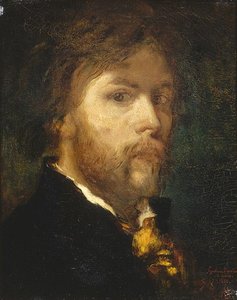
ゴスタヴ・モロー
1826 - 1898 , フランス
略歴
- Artistic Movement Or Style: シンボリズム
- Artists Who Influenced This Artist:
- エウゲニオ・デルラクロワール
- ミケランジェロ
- レオナルド・ダ・ヴィンチ
- Date Of Birth: 1826年4月6日
- Date Of Death: 1898年4月18日
- Full Name: Gustave Moreau
- Nationality: フランス人
- Notable Artworks:
- ソロモンの踊り før ヘロドス
- ユピテルのセメレ
- オレアフス
- 出現
- デスメドナ
- Place Of Birth: パリ、フランス

