

- ホーム

- キャンバスプリント用
- ignaz bittmann
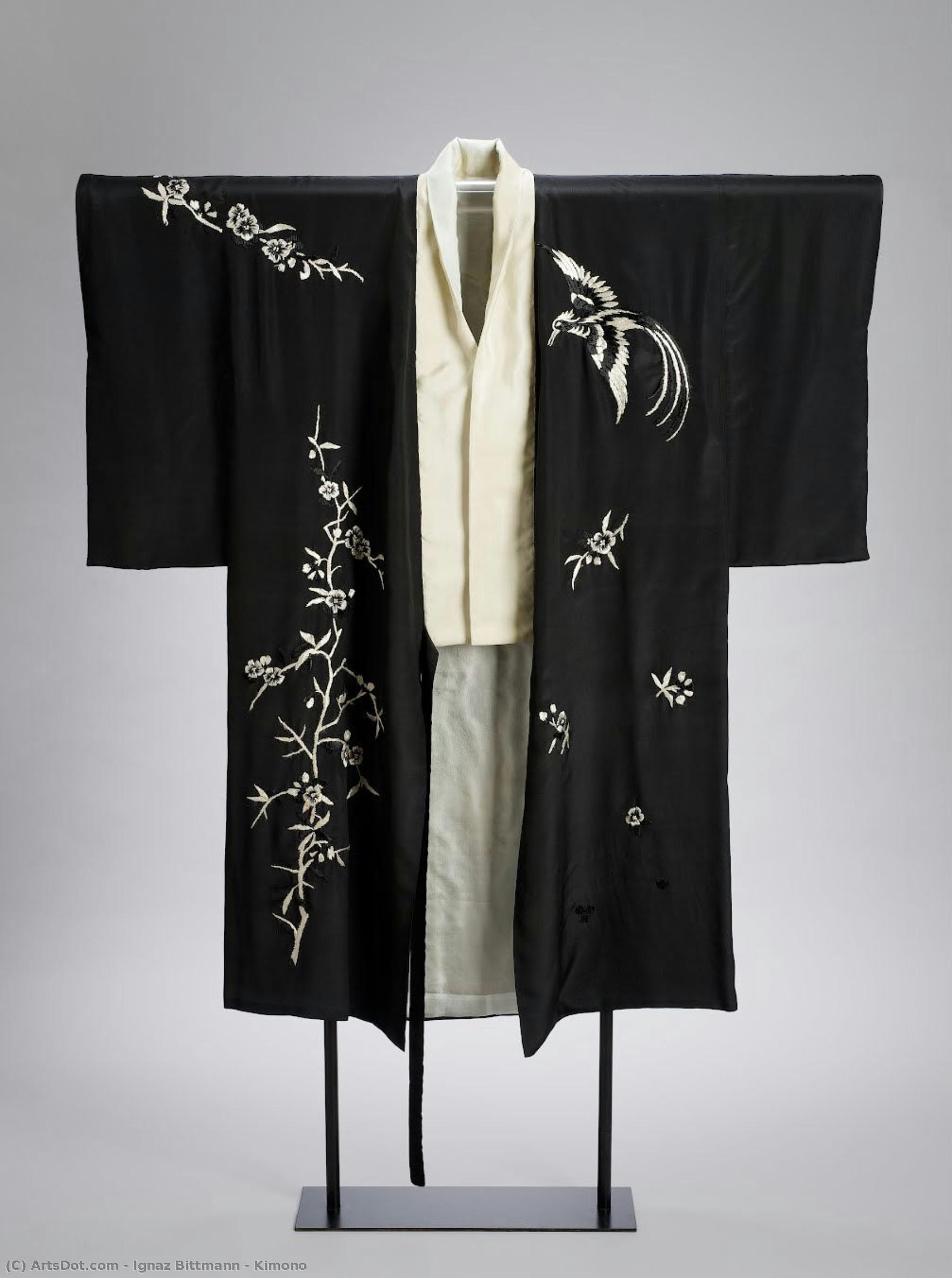
- Kimono
 Preview
 シェアする
シェアする シェアする
シェアする
 詳細を見る
詳細を見る

 ダウンロード
 似ている作品
 X線調査
X線調査 スライドショー
Kimono
 1900
1900 127.0 x 109.0 cm
 Museum of Applied Arts
 詳細を見る
詳細を見る
ジークレー/アートプリント
迅速な制作と多彩な仕上げオプションを備えた、ミュージアムクオリティのジークレーまたはキャンバスプリント。 ( Switch to hand made Painting Switch to Image)




































作品のオリジナル比率に合わせた、当店の規定サイズからお選びください。

特定のフレームやスペースに合わせて、ご自身でサイズを指定することも可能です。選択されたサイズが元の画像の比率と一致しない場合、作品をトリミングするか、鏡面反射または単色での塗りつぶしによって画像を拡張いたします。制作を開始する前に、ご確認用のデジタルモックアップをお送りいたします。
画面上のプレビューには、実際のトリミングや拡張は反映されませんのでご注意ください。最終的な構図を正確に確認できるのは、モックアップのみとなります。
カスタムサイズも承っておりますが、元の比率を維持するためには、あらかじめ用意されたリストからサイズを選択することをお勧めいたします。


 ガラスオプションは、110cm未満のサイズでのみご利用いただけます。

Kimono
ジークレー/アートプリント
複製画のサイズ
-


合計金額
$ 64
作品詳細説明
関連作品


アーティストの略歴
Ignaz Bittmann – A Pioneer of Austrian Textile Art
Ignaz Bittmann (1851-1913) stands as a singular figure in the annals of Austro-Hungarian art and design, recognized primarily for his transformative role in elevating Austrian textile production to international prominence. Born in Vienna, Austria, he emerged from humble beginnings—a modest draper’s shop—to become a visionary entrepreneur who fundamentally reshaped the aesthetic landscape of his era. His legacy extends far beyond mere commerce; Bittmann championed innovation and artistic excellence, establishing himself as a pivotal catalyst for cultural advancement.- Early Life & Education: Bittmann pursued his formal education diligently at Benedictine Grammar School in Merano, honing his intellectual prowess before embarking on studies at the University of Vienna’s Faculty of Medicine. While initially focused on medicine, his artistic inclinations quickly surfaced, foreshadowing a lifelong fascination with design and craftsmanship.
- The Birth of Bittmann Textilfabrik: Recognizing the burgeoning demand for fashionable fabrics—particularly jersey—Bittmann established Bittmann Textilfabrik in 1879. This venture wasn’t simply about profit; it was driven by a genuine desire to elevate Austrian textile manufacturing standards and introduce cutting-edge techniques into Viennese ateliers.
- Revolutionizing Textile Production: Bittmann's brilliance lay in his understanding of the zeitgeist—the spirit of the age—and his ability to translate this awareness into tangible artistic breakthroughs. He spearheaded the adoption of mechanized weaving looms, dramatically increasing output and fostering a collaborative environment between artisans and engineers. This pioneering approach fundamentally altered Viennese textile production, establishing it as a benchmark for Europe.
- The Jersey Fabric & Its Impact: The introduction of jersey fabric—a revolutionary knitwear material—marked a watershed moment in fashion history. Bittmann’s astute observation of Parisian trends propelled this innovative textile into widespread acceptance, transforming menswear and subsequently influencing women's attire. His foresight cemented his reputation as an artistic innovator who anticipated future stylistic developments.
- Legacy & Recognition: Bittmann’s influence resonated throughout the Austro-Hungarian Empire and beyond. He fostered a vibrant artistic community in Vienna, nurturing talent and championing experimentation—a testament to his unwavering belief in the transformative power of creativity. Today, Ignaz Bittmann is remembered not merely as a textile manufacturer but as an artist who irrevocably shaped Viennese culture and elevated Austrian design to unparalleled heights.
Exploring Bittmann’s Artistic Vision
Bittmann's artistic sensibilities extended beyond the realm of textiles; he possessed a profound appreciation for landscape painting, particularly Alpine vistas—a passion that would inform his stylistic choices throughout his career. His canvases captured the grandeur and serenity of the Austrian Alps with remarkable precision and sensitivity, reflecting an aesthetic rooted in Romantic ideals. He skillfully blended meticulous observation with expressive brushwork, conveying both topographical accuracy and emotional depth.- Alpine Landscapes: Bittmann’s landscapes exemplify a commitment to capturing the sublime—the awe-inspiring beauty of nature—with unwavering fidelity. His compositions prioritize atmospheric perspective and tonal gradation, creating immersive vistas that evoke feelings of tranquility and grandeur.
- Still Lifes: Similarly, Bittmann's still lifes showcased his mastery of form and color, presenting meticulously arranged objects with understated elegance. He employed subtle shading techniques to sculpt the contours of his subjects, emphasizing texture and materiality.
- Influence & Style: Bittmann’s artistic style drew inspiration from Academic Classicism—a dominant aesthetic movement during his time—characterized by idealized forms and harmonious compositions. However, he infused this tradition with a distinctly personal vision, resulting in artworks that are both technically proficient and emotionally resonant.
Notable Works
Bittmann produced several notable paintings that exemplify his artistic prowess and capture the spirit of the Austro-Hungarian era. Among these masterpieces are:- “The Alpine Lake” (circa 1890): This panoramic landscape portrays a crystalline alpine lake nestled amidst towering peaks, bathed in soft sunlight—a quintessential depiction of Austrian Alpine scenery.
- “Fruit Basket” (circa 1895): Bittmann’s still life presents an assortment of luscious fruits arranged on a rustic wooden table—a testament to his meticulous attention to detail and masterful use of color.
- “Portrait of Franziska Preisler” (circa 1897): This portrait captures the serene beauty of Franziska Preisler, Bittmann’s wife, conveying her grace and dignity with understated elegance.
Historical Context & Significance
Ignaz Bittmann's artistic career unfolded against the backdrop of a transformative period in European history—the Austro-Hungarian Empire—characterized by rapid industrialization, social upheaval, and burgeoning artistic experimentation. His embrace of Academic Classicism reflected the prevailing cultural sensibilities of his time, yet he simultaneously championed innovation and pursued stylistic refinements that distinguished him from his contemporaries. Bittmann's legacy endures as a symbol of Austrian artistic tradition and a testament to the enduring power of beauty and craftsmanship. He remains an important figure in the history of textile art and fashion design, whose contributions continue to inspire artists and designers today.
ignaz bittmann
1851 - 1913 , Austria
基本情報
- Artistic Movement Or Style: Textile Art
- Date Of Birth: February 23, 1851
- Full Name: Ignaz Bittmann
- Nationality: Austrian
- Notable Artworks: ['Kimono']
- Place Of Birth: Vienna, Austria



