


 設置イメージを確認
 送る
送る シェア
シェア
 詳細情報
詳細情報 ガイドを表示

 画像をダウンロード
 似ている作品
 X線調査
X線調査 スライドショー
 統計情報
統計情報La dame en detresse

 続きを読む
続きを読む
ジークレー/アートプリント
スピーディーな制作と多彩な仕上げオプションが魅力の、ミュージアムクオリティなジークレー・キャンバスプリント。 ( 手描きの複製画を注文する デジタル画像販売へ切り替え)




P118B ¥10

P118H ¥10

P118W ¥10

P438Z ¥10

P508JH ¥12

P508YH ¥12

P805H ¥10

P805Z ¥10

P919BZ ¥10

P919G ¥10

P919XJ ¥10

P959ZH ¥10

P968JZ ¥12

W106C ¥8

W218G ¥10

W218JH ¥8

W218Y ¥10

W307PJ ¥10

W316G ¥10

W316PJ ¥8

W316Y ¥10

W398PJ ¥8

W4111J ¥10

W500HY ¥15

W500JH ¥15

W692G ¥12

W849H ¥8

W940BG ¥15

W953PJ ¥8




作品のオリジナル比率に合わせた、当店の規定サイズからお選びください。

額縁や壁のスペースに合わせて、ご希望の幅と高さを入力してください。プリントはカットすることは可能ですが、元の画像より大きくすることはできないため、異なる比率のサイズを選択された場合は、画像の一部が欠けることになります。印刷を開始する前に、内容を確認していただくためのデジタルモックアップをお送りいたします。このページに表示されている画像は、実際のカット後の状態を示すものではありません。実際の仕上がりはモックアップにてご確認ください。


 ガラスオプションは、110cm未満のサイズでのみご利用いただけます。

La dame en detresse
ジークレー/アートプリント
複製画サイズ一覧
-


合計金額
¥ 10082
A Chamber of Sorrow: Exploring James Ensor’s ‘La Dame en Detresse’
This haunting work by Belgian master James Ensor, titled *La Dame en Detresse* (The Lady in Distress), offers a deeply moving and psychologically charged scene. While the exact date of its creation remains unknown, it exemplifies Ensor's distinctive approach to Impressionism, pushing beyond mere optical representation towards an exploration of inner states and existential themes. The painting presents a figure – a woman – lying upon a bed within a dimly lit room, immediately establishing a mood of vulnerability, illness, or perhaps even death.Style & Technique: An Impressionistic Descent into the Psychological
Ensor’s style in this piece is readily identifiable as Impressionistic, yet diverges from the brighter palettes and outdoor scenes favored by many of his contemporaries. Here, he employs a deliberately muted and somber color scheme – dominated by dark tones and diffused light – to create an atmosphere of profound melancholy. Loose brushwork and visible layering of paint are key characteristics, contributing to a sense of texture and emotional rawness. The flattened perspective isn’t about accurate spatial representation; rather, it serves to heighten the feeling of claustrophobia and psychological intensity. The artist prioritizes capturing an *impression* of grief and isolation over precise detail, allowing the viewer's own emotions to fill in the gaps.Subject & Composition: A Narrative of Loss
The composition is powerfully centered around the bed – a traditional symbol of rest, intimacy, and ultimately, mortality. The figure on the bed remains somewhat ambiguous; we do not see her face clearly, which amplifies the sense of mystery and universalizes her suffering. A window to the left provides the primary light source, casting long shadows that emphasize the enclosure and loneliness of the space. Drapery adds a softness but also contributes to the overall gloom, suggesting both protection and confinement. The surrounding furniture is rendered simply, serving as grounding elements within this emotionally charged environment.Historical Context: Ensor & The Fin de Siècle
James Ensor (1860-1949) was a pivotal figure in the transition from Impressionism to Expressionism. Born in Ostend, Belgium, he rejected academic conventions and developed a highly personal style characterized by grotesque imagery, social satire, and profound psychological insight. *La Dame en Detresse* emerges from the cultural climate of the Fin de Siècle – the end of the 19th century – a period marked by anxieties about modernity, societal decay, and existential questioning. Ensor’s work often reflects these concerns, exploring themes of death, illness, and the fragility of human existence. He was largely unappreciated during his lifetime but is now recognized as a major innovator in modern art.Symbolism & Emotional Impact: A Meditation on Mortality
The painting resonates with potent symbolism. The darkened room can be interpreted as representing the interior life, or even the subconscious mind. The figure’s posture suggests vulnerability and surrender, evoking feelings of empathy and sorrow in the viewer.- The bed itself symbolizes not only physical rest but also the finality of death.
- The diffused light hints at a fading hope or a spiritual presence.
- The overall atmosphere evokes themes of loss, solitude, and the inevitability of decay.
よくあるご質問
「La dame en detresse」は、ジェイムズ・エンソウの作品群の中でどのような位置を占めているのでしょうか?
「La dame en detresse」はジェイムズ・エンソウによるImpressionismの作品であり、その記録されたテーマにはexploration of anxiety, morbid themes, personal trauma, recurring motifs, symbolism, romanticism, pre-raphaelite, deathが含まれます。
「La dame en detresse」の作者と、その画風について教えてください。
ジェイムズ・エンソウは、Impressionismのムーブメントの中で「La dame en detresse」を制作しました。
ジェイムズ・エンソウ作「La dame en detresse」には何が描かれていますか?
ジェイムズ・エンソウ作「La dame en detresse」に描かれているもの:melancholy, loss, mourning, bedroom, shadows, darkness, isolation, symbolism
関連作品


アーティストについて
James Ensor とは
ジェームズ・エンソは、ベルギーの画家であり彫刻家で、表現主義とシュルレアリスムに大きな影響を与えた人物です。彼は芸術グループ「レズヴィンジュ」の一員でした。彼の父親はイギリス人で母親はベルギー人でした。彼は幼少期に特にカルニバル文化に魅せられ、その時期には家族の店の周辺で販売されていたカルニバル用品が豊富な環境に育ちました。彼は美術アカデミーで学びましたが、伝統的な芸術形式に縛られることを嫌い、独自の道を歩む必要性を痛感しました。
初期の作品と表現主義への転換
エンソの初期の絵画はより伝統的なスタイルで描かれ、日常生活を陰鬱な色調で描写していました。例えば、『ロシア音楽』(1881)や『酔い酒場の人々』(1883)などです。これらの作品にもすでに現れる不安感のあるイメージが隠されておりました。彼は絵画における幻視主義や一点透視といった従来の技法を放棄し、独自の芸術的なビジョンを実現するために取り組む必要性を認識しました。彼の初期の作品は、特に表現主義に影響を与えた画家たちからの影響を受けました。
重要な作品とテーマ
エンソは生涯を通じて多くの作品を生み出し、今日まで人々を驚かせ、魅了し続けています。『ロシア音楽』や『酔い酒場の人々』など初期の作品は、当時の社会規範に対する批判的な視点を持つ表現主義への転換を象徴しています。彼の最も有名な作品である『イエス・キリストのブルジュンの入場』は特に衝撃的で、宗教的な偽善と社会的な無関心に対する風刺です。この絵画は当初は厳しい批判を受けましたが、現在では傑作として高く評価されています。彼はまた、人間の本質を掘り下げようとする試みであり、社会規範に挑戦する勇気を求める芸術家たちへの道を切り開いた人物として歴史に名を残しました。
表現主義とシュルレアリスムへの影響
エンソは特にピエール・ブーデルのエルドャーやフランシスコ・ゴヤ、ウィリアム・ホイストルの芸術から影響を受けました。彼はこれらの影響を独自の芸術的な言語に融合させ、表現主義とシュルレアリスムという新しい芸術運動へと導きました。彼の作品は特にその大胆な筆使いと鮮やかな色彩で特徴づけられ、劇場的な質を備えていました。
まとめ
ジェームズ・エンソは、ベルギーの画家であり彫刻家として、表現主義とシュルレアリスムに大きな影響を与えた人物です。彼は芸術グループ「レズヴィンジュ」の一員でした。彼の父親はイギリス人で母親はベルギー人でした。彼は美術アカデミーで学びましたが、伝統的な芸術形式に縛られることを嫌い、独自の道を歩む必要性を痛感しました。
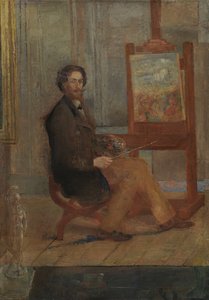
ジェイムズ・エンソウ
1860 - 1949 , ベルギー
アーティスト情報
- Artistic Movement Or Style: Expressionism, Surrealism
- Artists Who Influenced This Artist:
- Pieter Bruegel the Elder
- Francisco Goya
- Whistler
- Date Of Birth: April 13, 1860
- Date Of Death: November 19, 1949
- Full Name: James Sidney Edouard Ensor
- Nationality: Belgian
- Notable Artworks:
- The Scandalized Masks
- Skeletons Fighting...
- Christ's Entry into Brussels
- Place Of Birth: Ostend, Belgium
関連記事

印象派風景を彩った至宝:アート史に名を刻む10選
印象派風景の革新を彩った10選。モネ、ルノワールら巨匠の名作を紐解き、色彩と光が生み出す感動の世界へ。アートの歴史とインテリアのインスピレーションをAllPaintingsStore.comで。高品質な複製画で、あなただけの空間を創造しましょう。
Sir Alfred Munnings' Masterpieces: 25 Paintings That Define Equine Art | AllPaintingsStore
Explore 25 iconic Sir Alfred Munnings paintings! Discover the beauty of British Impressionism, equine art & rural England. Find museum-quality reproductions and elevate your home decor with AllPaintingsStore. Explore the full collection online.

Capturing the Soul: The Most Emotionally Moving Impressionist and Post-Impressionist Masterpieces
Discover the profound emotional depth of Impressionist and Post-Impressionist masterpieces. Explore how legends like Monet, Van Gogh, and Gauguin captured light and soul through evocative landscapes and vibrant brushwork for a timeless connection to art history.

James Ensor's Grotesque Visions: Social Commentary & Artistic Innovation
Explore the unsettling yet captivating world of James Ensor, a pioneer of Expressionism. Discover his satirical masterpieces, symbolic imagery & lasting influence on modern art. High-quality reproductions available at AllPaintingsStore.
ジェームズ・マクニール・ホイストラー:至高の25選 - 美と調和を求めた芸術家の軌跡 | AllPaintingsStore
ジェームズ・マクニール・ホイストラーの至高の25選。ノクターン、印象派、美しい色彩に満ちた作品群を紐解きます。AllPaintingsStoreで高品質なアートプリントとインテリアをお楽しみください。名画の世界へ – AllPaintingsStore.com


