


 設置イメージを確認
 送る
送る シェア
シェア
 詳細情報
詳細情報 ガイドを表示

 画像をダウンロード
 似ている作品
 X線調査
X線調査 スライドショー
 統計情報
統計情報Man sitting beside a window


 続きを読む
続きを読む
このページに掲載されている作品は著作権法によって保護されており、当社の許可なく同一の複製物を制作または販売することは法律で禁じられています。この保護は、以下のような国際条約に基づき執行されます。 ベルヌ条約 および、以下の条項に定められたものを含む各国の法律により、 米国著作権法 第17編。
この手法は、著作権で保護された作品の複製や複写を伴わないため、著作権法に完全に準拠しています。これは単なる模倣ではなく、創造的な再解釈です。元の作品からインスピレーションを受けつつも、それとは異なる、全く新しい絵画を生み出すものです。
ジークレー/アートプリント
スピーディーな制作と多彩な仕上げオプションが魅力の、ミュージアムクオリティなジークレー・キャンバスプリント。 ( 手描きの複製画を注文する デジタル画像販売へ切り替え)




P118B ¥10

P118H ¥10

P118W ¥10

P438Z ¥10

P508JH ¥12

P508YH ¥12

P805H ¥10

P805Z ¥10

P919BZ ¥10

P919G ¥10

P919XJ ¥10

P959ZH ¥10

P968JZ ¥12

W106C ¥8

W218G ¥10

W218JH ¥8

W218Y ¥10

W307PJ ¥10

W316G ¥10

W316PJ ¥8

W316Y ¥10

W398PJ ¥8

W4111J ¥10

W500HY ¥15

W500JH ¥15

W692G ¥12

W849H ¥8

W940BG ¥15

W953PJ ¥8




作品のオリジナル比率に合わせた、当店の規定サイズからお選びください。

額縁や壁のスペースに合わせて、ご希望の幅と高さを入力してください。プリントはカットすることは可能ですが、元の画像より大きくすることはできないため、異なる比率のサイズを選択された場合は、画像の一部が欠けることになります。印刷を開始する前に、内容を確認していただくためのデジタルモックアップをお送りいたします。このページに表示されている画像は、実際のカット後の状態を示すものではありません。実際の仕上がりはモックアップにてご確認ください。


 ガラスオプションは、110cm未満のサイズでのみご利用いただけます。

Man sitting beside a window
ジークレー/アートプリント
複製画サイズ一覧
-


合計金額
¥ 10084
A Moment of Quietude: The Soul of Duchamp’s Early Mastery
In the vast, often turbulent history of modern art, there exists a rare, fleeting moment where the revolutionary spirit of Marcel Duchamp was still anchored in the serene beauty of the visible world. Man Seated by a Window, painted in 1907, captures this exquisite tension. Before he became the iconoclast who would dismantle the very definition of art through Dada and Readymades, Duchamp was a painter deeply engaged with the sensory delights of his surroundings. This piece invites the viewer into a private sanctuary, presenting a solitary figure lost in thought, framed by the soft light of a window and the vibrant life of blossoming flora. It is not merely a depiction of a man at rest; it is an invitation to pause, to breathe, and to find resonance in the quiet intervals of existence.
The composition functions as a delicate dialogue between the interior and the exterior worlds. As the eye wanders across the canvas, one encounters a masterful use of Post-Impressionist techniques that prioritize emotional atmosphere over rigid anatomical precision. The artist employs loose, gestural brushstrokes that imbue the scene with a sense of living movement—the gentle sway of leaves, the dappled light filtering through the glass, and the soft texture of the man's clothing. This stylistic choice creates a luminous quality, where the muted blues and greens of the background harmonize with warmer, sun-drenched hues from the garden outside, establishing a visual equilibrium that is both soothing and intellectually stimulating.
Technique and the Art of Atmosphere
Executed in oil on canvas, the painting showcases Duchamp’s formidable command over medium and light. The texture of the oil paint allows for a rich layering of color, which lends depth to the shadows within the room and brilliance to the petals of the flowers. For the discerning collector or interior designer, this work offers a sophisticated interplay of tones that can anchor a room with its tranquil energy. Unlike the starker, more clinical works of later modernism, this painting possesses a tactile warmth; it feels inhabited, as if the scent of the garden could drift through the frame. The way the light interacts with the subject suggests a daytime setting filled with the gentle vitality of spring or summer, making it an ideal centerpiece for spaces designed for contemplation and repose.
Beyond its aesthetic charm, the painting serves as a profound historical document. It captures a period of transition in art history, where the boundaries between Impressionism and the burgeoning movements of Cubism were still being negotiated. In this work, we see the seeds of Duchamp’s later philosophical inquiries—the way he uses the window not just as a physical object, but as a metaphorical lens through which we perceive reality. To possess a reproduction of this masterpiece is to hold a piece of the very foundation of modern thought, wrapped in the beautiful, accessible language of classical beauty.
An Inspiration for the Modern Interior
For those looking to curate an environment of elegance and intellectual depth, Man Seated by a Window offers unparalleled versatility. Its palette—a sophisticated blend of organic greens, deep blues, and soft floral accents—complements a wide array of interior styles, from contemporary minimalism to classic European aesthetics. The painting’s ability to evoke a sense of peace makes it a transformative element in a study, a library, or a quiet corner of a living space. It does not demand attention through noise, but rather commands respect through its profound stillness, acting as a window into a more thoughtful and reflective way of being.
よくあるご質問
「Man sitting beside a window」の作者は?
「Man sitting beside a window」はマルセル・デュシャンの作品とされています。
マルセル・デュシャン作「Man sitting beside a window」のスライドショーはありますか?
「Man sitting beside a window」のスライドショーは、作品のスライドショーページでご覧いただけます。
「Man sitting beside a window」の技法とスタイルについて教えてください。
「Man sitting beside a window」において、Oil On Canvasの技法とPost-Impressionismのムーブメントが融合しています。
関連作品




アーティストについて
マルセル・デュシャン:芸術の定義を覆した革命家
マルセル・デュシャンは、1887年にノルマンディー地方ブレーヌヴィル=シュル=メールで生まれ、1968年にパリでその生涯を終えたフランス系アメリカ人アーティストです。彼は単なる画家ではありませんでした。むしろ、芸術の概念そのものを問い直し、現代美術の流れを大きく変えた思想的な挑発者だったのです。デュシャンの幼少期は一見すると平凡に見えるかもしれません。芸術を愛する家庭に育ち、兄弟たちはそれぞれ才能あるアーティストとして成功を収めました。しかし、この伝統的な環境の中でさえ、彼は既存の規範を打ち破るような、型破りな才能を秘めていました。デュシャンは当初、伝統的な技法を習得し、印象派以降のスタイルを実験しましたが、それは単なる技術の習得ではなく、芸術の本質、目的、そして定義そのものを問いかけるための基盤となったのです。彼の飽くなき知的探求心こそが、多作なキャリア全体を特徴づけるものとなりました。キュビスムからダダイズムへ:伝統からの脱却
デュシャンの芸術的遍歴は、常に進化し、確立された規範を意図的に放棄するものでした。初期のキュビスムへの関わり(1911年の『チェスプレイヤーの肖像』に見られるように)は、断片化された形態と多角的な視点に対する興味を示唆しており、伝統的な表現からの脱却でした。しかし、彼は単に視覚的要素を再配置するだけでは、彼が抱えるより深い問いに答えることはできないことに気づきました。第一次世界大戦の惨劇は、彼の不満をさらに煽り上げ、論理や理性、そして伝統的な芸術価値観を拒絶する運動であるダダイズムへと導きました。ダダイズムの中でこそ、デュシャンは初めて従来の芸術的概念を根本から覆し始めました。彼は美しいオブジェクトを作り出すことに関心を持っていませんでした。むしろ、思考を刺激し、前提を揺さぶり、美学的な判断の恣意性を暴露することを目的としていたのです。この時期に、彼の最も革新的なアイデアである「レディメイド」が誕生しました。レディメイドと芸術の転覆
レディメイド——日常的で製造されたオブジェクトを選択し、芸術作品として提示する——デュシャンの最も重要な貢献です。これらは単なる偶然の発見物ではありませんでした。むしろ、芸術的な転覆という意図的な行為だったのです。例えば、小便器を『噴水』と名付け、R. Muttという偽名で独立アーティスト展に出品したことで、芸術的技能や作者そのものの定義に挑戦しました。作品は、誰が作ったのか、アーティストの手なのか、それともアイデアなのか?この問いかけこそが彼の実践の中心となり、コンセプトアートの基礎を築いたのです。『L.H.O.O.Q.』(1919年)のような他の著名なレディメイドは、モナ・リザの複製に口ひげと顎髭を描き加えたものであり、芸術史や確立された文化的アイコンに対する遊び心のある、しかし鋭い批判でした。これらの作品は、その美的な品質のために賞賛されることを意図したものではありませんでした。むしろ、議論を巻き起こし、鑑賞者が芸術とは何かという先入観を見直すよう促すことを目的としていたのです。デュシャンは、芸術は目に留まるのではなく、心に宿るべきだと信じていました。遺産と持続的な影響
マルセル・デュシャンの現代美術に対する影響力は計り知れません。彼は芸術の理解を根本的に変え、コンセプトアート、ミニマリズム、ポップアートなど、数多くの運動への道を開きました。アーティストのアイデア——作品背後にある概念——がその美学的な品質よりも重要であるという彼の強調は、今日でもアーティストにインスピレーションを与え続けています。- キュビスム: 形態の断片化と空間表現の初期の研究。
- ダダイズム: 論理や理性、そして伝統的な芸術的価値観を拒絶し、第一次世界大戦への反応として生まれた運動。
- コンセプトアート: 作品の美学的な品質よりも、作品背後にあるアイデアに重点を置く芸術形態。
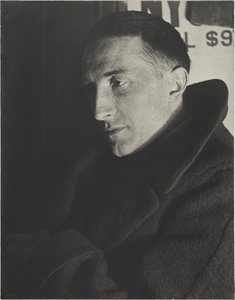
マルセル・デュシャン
1887 - 1968 , フランス
アーティスト情報
- フルネーム: マルセル・デュシャン
- 主な作品:
- ファウンテン
- L.H.O.O.Q.
- 大きなガラス
- ボワテ・アン・ヴァリーズ
- 出生地: ブロインヴィル=レ=ブーア(フランス)
- 国籍: フランス系アメリカ人
- 影響を与えたアーティストまたは運動:
- 概念美術
- ポップアート
- ミニマルアート
- 死亡年月日: 1968年10月2日
- 生年月日: 1887年7月28日
- 芸術運動またはスタイル:
- キュビスム
- ダダイスム
- 概念美術
関連記事

Post-Impressionism Guide: Bold Colors and Expressive Masterpieces for Professional Hotel Decorators
Elevate hospitality interiors with Post-Impressionist masterpieces. A professional guide for hotel designers on selecting bold, expressive oil reproductions and large-scale murals to create impactful, high-end guest experiences through expert art procurement.

Beyond Impressionism: Exploring the Emotional Depth and Vibrant Mastery of Post-Impressionist Art
Discover the profound evolution of art beyond Impressionism. Explore the emotional depth, vibrant colors, and revolutionary techniques of Post-Impressionist masters like Van Gogh and Cézanne in this expert guide to art history's most expressive movement.


