- ホーム

- キャンバスプリント用
- マーク・ロスコ
- Olympian Play

 プレビュー
プレビュー
 シェアする
シェアする シェアする
シェアする
 詳細を見る
詳細を見る

 ダウンロード
 似ている作品
 X線調査
X線調査 スライドショー
Olympian Play


 詳細を見る
詳細を見る
ジークレー/アートプリント
迅速な制作と多彩な仕上げオプションを備えた、ミュージアムクオリティのジークレーまたはキャンバスプリント。 ( 手描き画への切り替え 画像に切り替え)




P118B $10

P118H $10

P118W $10

P438Z $10

P508JH $12

P508YH $12

P805H $10

P805Z $10

P919BZ $10

P919G $10

P919XJ $10

P959ZH $10

P968JZ $12

W106C $8

W218G $10

W218JH $8

W218Y $10

W307PJ $10

W316G $10

W316PJ $8

W316Y $10

W398PJ $8

W4111J $10

W500HY $15

W500JH $15

W692G $12

W849H $8

W940BG $15

W953PJ $8




作品のオリジナル比率に合わせた、当店の規定サイズからお選びください。

特定のフレームやスペースに合わせて、ご自身でサイズを指定することも可能です。選択されたサイズが元の画像の比率と一致しない場合、作品をトリミングするか、鏡面反射または単色での塗りつぶしによって画像を拡張いたします。制作を開始する前に、ご確認用のデジタルモックアップをお送りいたします。
画面上のプレビューには、実際のトリミングや拡張は反映されませんのでご注意ください。最終的な構図を正確に確認できるのは、モックアップのみとなります。
カスタムサイズも承っておりますが、元の比率を維持するためには、あらかじめ用意されたリストからサイズを選択することをお勧めいたします。


 ガラスオプションは、110cm未満のサイズでのみご利用いただけます。

Olympian Play
ジークレー/アートプリント
複製画のサイズ
-


合計金額
$ 64
作品詳細説明
Mark Rothko’s “Olympian Play”: A Descent into Existential Color
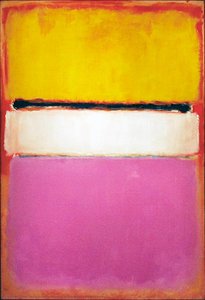
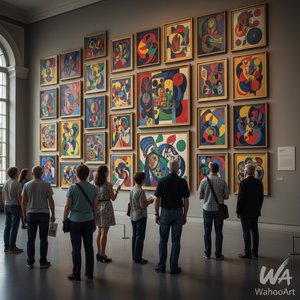
Mark Rothko's "Olympian Play," a monumental work embodying the raw emotion and philosophical depth characteristic of his mature style, invites viewers on a profound journey into the heart of human experience. This painting, shrouded in the mystery of its exact dimensions and creation date, nevertheless pulsates with an undeniable energy – a testament to Rothko’s mastery of color and form as vehicles for expressing complex psychological states. The photograph reveals a composition dominated by layered rectangles of intense red and yellow, punctuated by smaller figures that seem both adrift and engaged within this chromatic landscape. It is not a depiction of a specific scene, but rather an evocation of mood, memory, and perhaps even the struggle to find meaning in a chaotic world.
- Style & Technique: Rothko’s signature style – often categorized as Abstract Expressionism, though he resisted such labels – is powerfully evident here. He employed a technique known as “color field painting,” layering thin washes of pigment upon canvas to create luminous, almost vibrating blocks of color. The deliberate lack of defined edges and the subtle gradations within each rectangle contribute to an immersive experience for the viewer, encouraging contemplation rather than immediate interpretation.
- Historical Context: Created during a period of immense social and political upheaval – the aftermath of World War II and the burgeoning Cold War – “Olympian Play” reflects the anxieties and uncertainties of the era. Rothko’s work resonated with a generation grappling with existential questions, exploring themes of mortality, trauma, and the search for spiritual solace.
- The Artist's Background: Born in Dvinsk (Daugavpils), Latvia, in 1903, Mark Rothko’s early life was profoundly shaped by displacement and loss. His family’s emigration to Portland, Oregon, following pogroms and political instability, instilled within him a deep sensitivity to human suffering – a theme that would become central to his artistic vision. This personal history undoubtedly informs the painting's somber yet strangely hopeful atmosphere.
Decoding the Symbolism: Red, Yellow, and the Human Condition
The dominant use of red and yellow is not arbitrary; it’s a deliberate deployment of color psychology designed to evoke powerful emotional responses. Rothko himself stated that he sought to create “windows on heaven,” suggesting an aspiration towards transcendence. The deep reds often represent passion, suffering, and even death – acknowledging the darker aspects of human existence. Conversely, the yellows suggest hope, illumination, and perhaps a yearning for spiritual understanding. The smaller figures scattered throughout the composition can be interpreted as representations of individuals caught within this emotional vortex, struggling to find their place or purpose.
- Color as Emotion: Rothko believed that color possessed an inherent power to evoke emotion directly, bypassing the need for representational imagery. The sheer scale and intensity of the colors in “Olympian Play” overwhelm the senses, forcing the viewer to confront their own feelings about life, death, and the human condition.
- The Absence of Narrative: Unlike traditional narrative paintings, "Olympian Play" offers no clear story or subject matter. This deliberate ambiguity invites viewers to project their own experiences and interpretations onto the canvas, creating a deeply personal encounter.
A Timeless Masterpiece for the Contemporary Space
"Olympian Play" transcends its historical context, remaining remarkably relevant in today’s world. Its powerful emotional impact and formal qualities make it an ideal addition to any discerning collection or interior space. AllPaintingsStore.com offers meticulously crafted hand-painted reproductions of this iconic work, ensuring that you experience the full force of Rothko's vision. The reproduction process utilizes archival quality materials and techniques, faithfully capturing every nuance of color and texture, allowing you to bring a piece of art history into your home or office.
- Perfect for Interior Design: The bold colors and dynamic composition of “Olympian Play” can serve as a focal point in any room, adding depth, drama, and intellectual stimulation.
- Investment in Art History: Owning a hand-painted reproduction of this seminal work is an investment not only in art but also in the legacy of one of the 20th century’s most influential artists.


アーティストの略歴
マーク・ロスコ:色彩の深淵と魂の叫び
1903年、ラトビアのダウガフピルスでマルクス・ヤコヴレヴィチ・ロトコヴィッチとして生まれたマーク・ロスコは、その生涯を色彩という言葉で人間の存在と感情の深淵を探求することに捧げた。幼少期から政治不安や迫害に晒されたユダヤ人家庭環境は、彼の中に深い感受性と苦悩の種を植え付けた。1913年のアメリカへの移民は、新たな文化との出会いをもたらす一方で、故郷との断絶という喪失感も与えた。ポートランドでの生活を経てニューヨークへ移り、当初は都市風景や人物を描いていたロスコだが、第二次世界大戦の激動期を迎え、その芸術は劇的な変貌を遂げる。
シュルレアリスムの影響を受けながら、ロスコは象徴的な形を通して普遍的な人間の感情を表現しようと試みた。1940年代後半には、彼の画業における転換点となる、純粋な色彩領域による作品群が誕生する。それらは単なる色の配置ではなく、深遠な精神性を帯びた、瞑想的な空間へと誘う力を持っていた。次第に、ロスコは具象表現から完全に脱却し、巨大なキャンバス上に不規則な矩形の色面を配置することで、見る者を圧倒的な色彩の海へと引き込むような作品を生み出した。このスタイルこそが、後のカラーフィールド絵画と呼ばれるものであり、抽象表現主義運動における重要な位置を占める。
色彩の交響曲:ロスコの芸術的探求
ロスコの成熟期作品は、色彩そのものが感情と直接的に結びつくという信念に基づいている。彼は、色の微妙なニュアンスや重ね合わせによって、喜び、悲しみ、絶望、希望といった人間の複雑な感情を表現しようとした。彼の絵画は、しばしば静寂の中に潜む激しいエネルギーを感じさせる。それは、色彩が互いに共鳴し合い、まるで音楽のように響き渡るかのような感覚である。ロスコは、作品にタイトルを与えることを避け、「No. 1」や「No. 6」といった番号のみを付与することで、鑑賞者が先入観なしに作品と向き合い、自身の感情を通して作品の意味を受け止めることを望んだ。
セagram美術館の壁画プロジェクトは、ロスコにとって重要な出来事であった。しかし、彼の作品が単なる装飾品として扱われることへの嫌悪感から、依頼を断り、これらの作品を Tate Gallery に寄贈した。この行為は、彼が芸術を商業主義から切り離し、純粋な精神的価値を守ろうとした姿勢を示すものだった。そして、ヒューストンにあるロスコ礼拝堂は、彼の芸術的探求の集大成と言えるだろう。14枚の絵画が配置されたこの聖域は、静寂と瞑想の中で、人間の魂を深く揺さぶる体験を提供する。
遺産:抽象表現主義を超えた影響力
マーク・ロスコの死後も、彼の作品は世界中の人々に深い感銘を与え続けている。彼の芸術は、ミニマリズムや現代絵画に多大な影響を与え、色彩を通して感情を表現する可能性を広げた。ロスコの作品は、単なる視覚的な体験を超え、鑑賞者の内面へと深く入り込み、自己と向き合い、存在の意味を探求することを促す力を持っている。彼の遺産は、抽象表現主義という芸術史上の重要な潮流を代表するだけでなく、人間の感情と精神性を探求する普遍的な芸術の力を体現していると言えるだろう。
ロスコの作品群は、色彩が持つ無限の可能性を示し、私たちに心の奥底にある感情と向き合う勇気を与えてくれる。それは、言葉では表現できない、人間の魂の叫びであり、永遠に人々の心に響き続けるであろう。
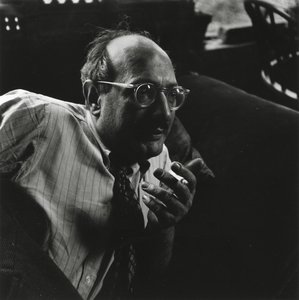
マーク・ロスコ
1903 - 1970 , ラトビア
基本情報
- フルネーム: マーク・ロスコ
- 主な作品:
- No. 10 (1950)
- セagramの壁画
- ロスコ礼拝堂
- 出生地: ラトビア、ダウガフピルス
- 国籍: アメリカ合衆国
- 影響を与えたアーティスト: ['ミニマリズム']
- 死亡年月日: 1970年2月25日
- 生年月日: 1903年9月25日
- 芸術運動またはスタイル: 抽象表現主義、カラーフィールド
関連記事

The Sublimity of Color: Exploring the Emotional Landscapes of Mark Rothko's Abstract Expressionism
Explore the profound emotional depth of Mark Rothko's abstract expressionism. Discover the history, techniques & lasting impact of this pivotal Color Field painter. Expert insights for collectors and art enthusiasts.

Paul Jenkins: Abstraction, Color Field Painting & the Pursuit of Lyrical Expression
Explore the captivating world of Paul Jenkins, a pioneer of abstract expressionism & color field painting. Discover his unique ‘Phenomena’ series and investment potential for art collectors. Expert insights at AllPaintingsStore.
Kandinsky's Masterpieces: 25 Paintings That Define Abstract Art | AllPaintingsStore
Journey through Wassily Kandinsky's 25 most iconic abstract paintings. Explore his revolutionary use of color, form & spiritual expressionism. Find museum-quality Kandinsky reproductions and elevate your home decor with AllPaintingsStore.com. Discover all masterpieces on AllPaintingsStore.com!

マーク・ロスコ傑作25選:色彩が織りなす深遠な世界|AllPaintingsStore
マーク・ロスコの傑作25選。抽象表現主義を代表する巨匠、色彩が織りなす深遠な世界を探求します。絵画の背景や技法、感動的なストーリーを紐解き、AllPaintingsStoreで高品質なアートプリントをお楽しみください。リビングやオフィスにモダンアートを飾るなら!

抽象表現主義を定義する十大傑作:芸術と装飾の深遠な旅
抽象表現主義を定義する10の傑作。ポロック、ロスコら巨匠たちの情熱と色彩の世界へ。各作品に込められた物語と技法を紐解き、至高のアート体験を。AllPaintingsStore.comで、ミュージアムクオリティの複製画や洗練されたインテリアアイデアを発見してください。